Ultimate Guide to Air Purifier Maintenance in Homes with Allergies

Breathing clean air indoors has become an absolute priority, especially if you live with pets, young children, or family members who suffer from respiratory sensitivity. We spend most of our time in enclosed spaces, where the concentration of allergens, dust, and animal dander can far exceed that of the outdoors. To combat this situation, many families turn to environmental filtration systems. However, buying the best equipment on the market is of very little use if we neglect its continuous care and periodic inspections.
A saturated system not only stops doing its job but can also become an active source of contamination, returning the exact same particles you were trying to eliminate back into the environment. The accumulation of dirt on the protective meshes creates the perfect breeding ground for the proliferation of bacteria and bad odors. Therefore, understanding the cleaning processes of these devices is a fundamental task to ensure a safe environment that is truly free of lung irritants.
Why the care of your environmental cleaning equipment defines your respiratory health
When we install a device to improve the atmosphere of our living room or bedroom, we are entrusting it with the direct health of our respiratory tracts. These appliances work like mechanical lungs: they vacuum the ambient volume, trap microscopic particles in their meshes, and return a renewed breeze. If that "lung" is obstructed by months of negligence, the effort the motor must exert multiplies exponentially, drastically reducing the clean airflow that reaches your family and leaving allergens floating freely in the room.
For a person with asthma, bronchitis, or rhinitis, a twenty percent drop in dust retention efficiency can mean the difference between sleeping peacefully or spending the early morning coughing. Dust mites, which measure just a few microns, get trapped in the fibers of retention systems. If we do not perform proper air purifier maintenance, those fibers become completely saturated. The ventilation flow, always seeking the easiest exit out of pure physics, will begin to seep through unsealed edges, dragging the dirt directly into your resting area.
In addition to the direct impact on the physical well-being of your loved ones, there is an economic factor we rarely consider when acquiring these appliances. A motor that constantly fights against a dense barrier of dirt consumes much more electrical energy to achieve the same result. You will notice a silent but constant increase in your electricity bill. Continuous overheating also severely shortens the lifespan of internal electronic components, forcing you to replace the entire unit much earlier than expected by the manufacturer.
Finally, the lack of attention favors the dreaded appearance of black mold and bacteria. Fungal spores love dark, warm places with abundant organic remains, such as the dead skin we all shed daily. If ambient humidity is moderately high, a dirty panel quickly turns into a fungus farm. Every time you turn on the appliance without having cleaned it, you will be spreading millions of invisible spores throughout the room, worsening precisely the allergic condition you wanted to solve from the beginning.
Unmistakable signs that your filtration system needs urgent attention

Our domestic environment speaks to us continuously if we know how to pay proper attention to it. The first indicator of trouble, and the most obvious for anyone, is olfactory. Equipment in perfect condition should emit a totally neutral breeze, smelling clean or, rather, like absolutely nothing. If upon turning on the fan you perceive a persistent musty scent, stale dust, or wet dog smell, it is an immediate alarm signal. That odor indicates that the trapped biological particles have begun to decompose or that the activated carbon panels have exhausted their chemical absorption capacity.
The second clear symptom is a notable alteration in the usual sound profile. We all get used to the relaxing white noise of our appliances. If you notice that the motor sounds more strained than normal, higher-pitched, or emits strange vibrations against the floor, it means it is working against abnormal resistance. Dirt clogs the micropores, creating an almost solid wall. The fan spins at the same speed as always, but it fails to push the necessary flow, generating internal turbulence and annoying noises that can disrupt children's nighttime rest.
The reduction of the ventilation flow is another litmus test you can perform yourself in a matter of seconds. Simply place your hand over the top outlet grille while setting the machine to maximum power. If you barely feel a slight breeze when a month ago it moved nearby curtains, the diagnosis is undeniable. This loss of power means that the total volume of the room will take three times as long to completely renew itself, leaving pet dander and pollen floating at your breathing level for endless hours.
Finally, pay close attention to the physical reactions of your own body and that of your family. If you notice that morning sneezing has returned with a vengeance, that your eyes itch intensely when sitting down to watch TV on the sofa, or that your pet scratches more than usual, the indoor environment is overloaded. Sometimes we mistakenly blame spring or sudden seasonal changes, when the true and only culprit is a retention panel that has been crying out for months to be replaced or thoroughly sanitized.
Step-by-step for the cleaning and conservation of traditional meshes

The first non-negotiable step before handling any internal component is to unplug the appliance from the electrical outlet. It seems like an absolute given, but personal safety is paramount to avoid accidents. Once the main compartment is opened following the instructions, you will generally find a system composed of several distinct layers. The outer layer is usually a thick mesh, known as a pre-filter, designed specifically to capture the giants of the domestic ecosystem: long cat hairs, coin-sized lint, and dense dust visible to the naked eye.
This first physical barrier is your best ally and, fortunately, the most rewarding to clean. Normally it can be removed and washed under the tap with warm water and completely neutral soap. It is vital to let it air dry completely before putting it back, as any minimal trace of moisture would irreparably ruin the internal paper layers. If you are in a hurry or want to do quick maintenance, you can use a vacuum cleaner with the soft brush attachment to remove the bulk of the dirt in just a few seconds, an excellent practice you should repeat every two or three weeks if you have furry animals running around the house.
The real technical challenge comes when facing the heart of the system: the pleated paper HEPA layer. Here we must be extremely categorical to avoid disasters. Unless the manufacturer's manual clearly specifies that it is a washable material, you must never get it wet under any circumstances. Contact with water instantly destroys the microscopic structure of the intertwined fibers, turning a marvel of filtration engineering into a simple piece of wet, useless cardboard. The only viable way to treat this part is to replace it with a new one by strictly following the stipulated schedule.
For activated carbon panels, responsible for neutralizing toxic gases, cooking smoke, and strong odors, the golden rule is very similar. They cannot be washed or cleaned successfully because their magic happens at a purely chemical level, in millions of microscopic pores that trap odorous molecules permanently. When those pores become completely full, the panel becomes dead weight inside the machine. Some home remedies of dubious origin suggest putting them in the sun to reactivate them, but scientific reality shows that the improvement is marginal, temporary, and ineffective. Replacing it with an original spare part is the only safe way.
The problem with cellulose cartridges and the water technology revolution
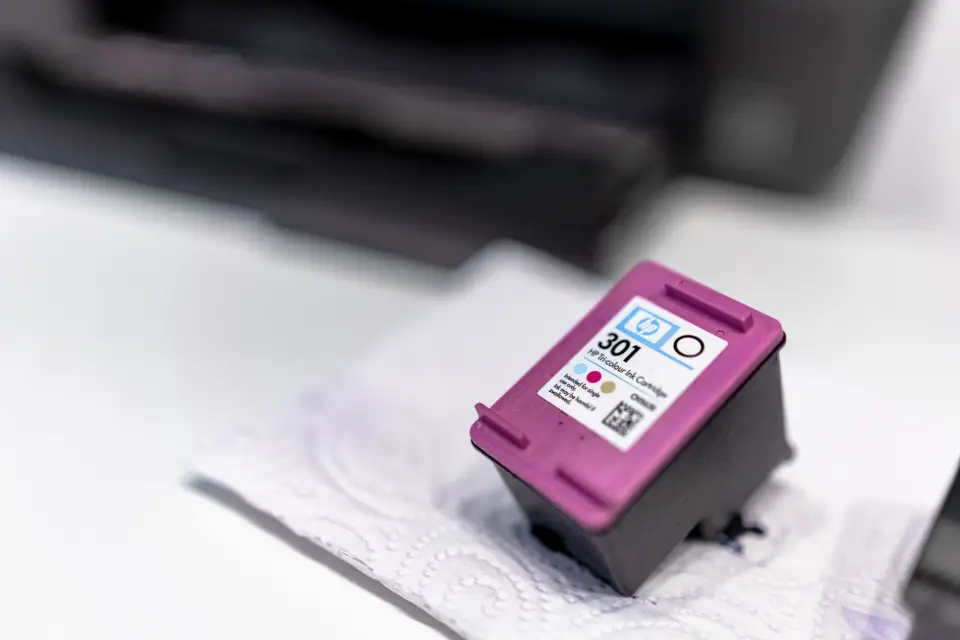
The great paradox of traditional retention systems lies in their own physical design. From the very first minute you turn on equipment fitted with cellulose or synthetic fiber cartridges, its efficiency begins to decline progressively. It is pure fluid physics: every trapped dust particle occupies real physical space, blocking a pore through which the clean flow previously passed freely. As the weeks go by, the appliance uses the exact same electricity but performs half as well. It is a pre-lost battle against the saturation of materials.
Added to this technical limitation is the tremendous long-term hidden cost that affects family economy. People often get a very unpleasant surprise when they discover that the original replacement costs a significant fraction of the initial price of the appliance itself. If you have several pets that shed a lot of hair during seasonal changes or you live in an area with high urban traffic pollution, the annual expense on spare parts can unbalance your budget. Many families, trying to save money, delay changing the meshes, dangerously exposing themselves to breathing a stale and harmful environment.
Faced with this undeniable structural limitation, nature offers us the oldest, most elegant, and effective solution known to mankind: water. By using the liquid element as the main trap for dirt, the indoor cleaning paradigm changes completely. Wet dust does not fly, that is a basic rule, and water has no microscopic pores that can clog over time. A system based on this physical principle maintains one hundred percent of its suction and retention capacity from the first second of use to the last, guaranteeing that every processed liter comes out truly purified.
It is exactly at this point where technological innovation makes the definitive difference in the modern home. High-end multifunctional equipment like the delphin t8 has more than proven that it is perfectly possible to merge deep surface cleaning with comprehensive environmental washing in a single effortless step. By completely dispensing with dirty bags and prone-to-clog paper barriers, you eliminate at a stroke the logistical nightmare of constant inspections and buying expensive replacements. You simply renew the water in the tank with each use, ensuring impeccable, natural hygiene and a perfect environment for those suffering from severe asthma.
Daily habits to maximize environmental quality without extra effort

No electronic device, no matter how powerful and advanced, can do all the hard work on its own. The creation of a true safe oasis in your home requires a smart combination of applied technology and good daily practices by the whole family. The strategic ventilation of rooms is the first fundamental pillar. Renewing the atmosphere by opening windows is absolutely necessary, but you have to know exactly when to do it. If you are allergic to spring pollen, strictly avoid the early morning hours and dusk. Ten minutes at noon is usually more than enough to oxygenate the rooms without inviting allergens inside.
Strict control of indoor humidity is another determining factor that we often overlook in our routine. Dust mites and microscopic fungi thrive and multiply at a terrifying speed when relative humidity crosses the sixty percent barrier. Using dehumidifiers in humid coastal areas or during very rainy winters stops the massive reproduction of these invisible microorganisms in its tracks. Conversely, an excessively dry environment generated by heating irritates the nasal mucosa and worsens dry cough symptoms. Maintaining the perfect balance is the key to comfort.
Proactive management of internal pollution sources also greatly facilitates the work of your climate control equipment. Simple, everyday gestures like brushing your dog or cat on the outdoor terrace or during the daily walk drastically reduce the amount of fine dander that ends up floating in your living room. Likewise, replacing harsh chemical cleaning aerosols and artificial plug-in air fresheners with natural options prevents loading the atmosphere with volatile organic compounds, which are highly irritating to the sensitive respiratory tracts of little ones.
Finally, meticulous care of hard floors, rugs, and textiles plays a leading and irreplaceable role. Carpets, fabric sofas, and bed mattresses are gigantic hidden reservoirs of dust and dead skin. Every time you sit down suddenly or shuffle your feet, you raise invisible clouds of particles into the air. Keeping these surfaces free of allergens through deep, regular suction prevents dirt from becoming suspended at nose level. By reducing the base dirt load of the home, any treatment system you use will work much more comfortably, quietly, and efficiently.
Common mistakes that ruin the effectiveness of your climate control and well-being
Even with the best intentions in the world, it is extremely easy to make glaring mistakes that sabotage our daily efforts to breathe purer air. One of the most common and harmful errors is the incorrect spatial location of the device. Hiding the appliance behind a bulky sofa so it isn't seen, cornering it against the back wall, or placing it under a coffee table severely interrupts the natural circulation circuit of air currents. For the motor to work without choking, it needs a clear perimeter space of at least half a meter around it, preferably in an unobstructed area where the ventilation flow can sweep the entire room without hitting obstacles.
Another widespread misconception is treating these health devices as if they were instant magic solutions. Turning them on at maximum power just half an hour before going to sleep is not enough, not by a long shot, to clean the total air volume of a standard bedroom. Environmental purification is, by definition, a slow and continuous process. Especially during the peak spring allergy season, it is vastly more effective and beneficial to keep them running at a low, quiet speed all day than to set them to the maximum noise level for a short while. Temporal consistency is what truly manages to reduce particle concentration to safe levels for asthmatics.
Lastly, completely ignoring the immediate environment where the equipment operates is a fast track to absolute failure. If you place the turned-on appliance right next to windows that remain constantly open, the motor will be uselessly trying to clean the air of your entire city, a titanic and impossible task that will saturate and destroy its internal components in record time. Likewise, allowing visible dust to accumulate on the outer plastic grilles out of sheer laziness drastically reduces the necessary inflow. Wiping a simple, slightly damp cloth over the outer casing once a week makes a gigantic difference in overall long-term performance.
Frequently Asked Questions
How often should I check the internal components of my air equipment?
As a general rule, washable mesh pre-filters should be checked and cleaned every 2 to 4 weeks to ensure good flow. Paper HEPA panels and activated carbon blocks usually require a complete replacement every 6 to 12 months. However, this lifespan is drastically reduced by half if you live with furry pets, live in high-pollution areas, or someone smokes inside the home.
Is it possible to wash a HEPA filter with water to save money on replacements?
It is highly unadvisable to do so unless the manufacturer's manual very clearly specifies that it is a washable model. Contact with water destroys and deforms the delicate mesh of microscopic intertwined cellulose fibers, completely ruining its technical capacity to retain allergens, pollen, and fine dust. If you get it wet, you will have to throw it away.
Why does my appliance emit an unpleasant musty odor when turned on?
The bad odor is a clear indication that bacteria, mold spores, or organic particles trapped inside have begun to decompose due to excess ambient humidity or extreme saturation. It can also mean that the inner activated carbon layer has completely exhausted its chemical lifespan and needs to be replaced immediately to avoid contaminating the room.
Is there any real alternative to constantly buying paper replacements?
Yes, the best alternative is water-based separation technology. Advanced and multifunctional equipment uses natural water as the main and insurmountable trap for dust and allergens. Since water has no physical pores that can clog with use, these systems never lose their suction power and avoid the continuous and excessive expense of costly cellulose replacements.
Should I keep the windows closed while the system is running in the room?
Yes, absolutely. To achieve a deep and effective cleaning of the indoor environment, you must keep doors and windows completely closed during use. If you leave them open, the equipment will create drafts that will continuously drag and try to process outside pollution, which will quickly saturate its components without ever managing to reduce allergen levels inside your own home.