Breathe Easy: The Ultimate Guide to Washing Your Home's Air and Eliminating Allergies
Have you ever noticed how a beam of light coming through the window reveals a chaotic dance of particles floating in your living room? That glowing cloud, which seems harmless, is actually a microscopic cocktail of dust, pet dander, spores, and plant debris. For those who suffer from respiratory sensitivity, that suspended dust is the invisible enemy that causes morning sneezes, nasal congestion, and nights of interrupted sleep. The home should be our personal sanctuary, but it often becomes a trap of irritants that prevents us from resting properly.
Washing the atmosphere of your house does not mean bringing out hoses or scrubbing walls with water. It is a continuous process of mechanical filtration, fluid renewal, and environmental control that transforms a toxin-laden space into a safe haven. We spend more than eighty percent of our time indoors, blindly trusting that we are protected from outside pollution. However, we ignore that our own daily routines constantly feed that invisible cloud we breathe minute by minute.
Medical science warns us of an uncomfortable but manageable reality: the indoor environment is usually much more saturated with toxins than the street itself. Throughout this reading, we will explore practical strategies, backed by pulmonologists and environmental health experts, to trap those microscopic elements. You will learn to master the drafts, use technology to your advantage, and implement cleaning routines that will restore to your lungs the relief and purity they deserve.
Why the indoor environment is more polluted than the street
The Environmental Protection Agency has been warning for years about a truly paradoxical phenomenon. Pollutant levels inside homes can be two to five times higher than outside. This accumulation occurs because, in our quest for energy efficiency, we build increasingly airtight houses. By sealing doors and windows with high-tech weatherstripping to avoid losing heat in winter or cold in summer, we also close off the only escape route for respiratory irritants, creating a watertight capsule.
Every time you walk on a rug, plop down on the sofa, or simply brush your hair, you release thousands of particles into the environment. To this, we must add the Volatile Organic Compounds emitted by new furniture, wall paints, conventional cleaning products, and even the scented candles we use to relax. This entire microscopic ecosystem gets trapped between four walls, recirculating over and over through the HVAC ducts or the slight internal drafts of the home.
For an allergic or asthmatic person, this confinement of particles means that their immune system is in a perpetual state of alert. Constant exposure keeps the mucous membranes in a state of chronic inflammation, causing fatigue and general malaise. It is not enough to take palliative medication if the source of the problem continues to float around you incessantly. Understanding this dynamic of enclosure and saturation is the first indispensable step to radically changing the way we manage the hygiene of our living spaces.
The art of strategic ventilation: Renewing the atmosphere

Opening the windows seems like the oldest and most obvious advice in the world, but doing it correctly requires some technique, especially in spring or during seasonal pollination peaks. If you leave the glass wide open at noon, when the concentration of plant particles reaches an all-time high driven by the wind and sun, you will be inviting the enemy to settle into your sheets. The correct strategy lies in taking advantage of the early hours of the morning or at night, times when the morning dew or the drop in temperatures keeps external irritants at bay.
Cross ventilation is your best free tool to perform a quick and effective washing of the environment. It consists of opening windows at opposite ends of the home for just ten or fifteen minutes. This mechanical action generates a suction current that drags stale air outside and replaces it with fresh air, without giving the walls or furniture time to cool down or heat up excessively. It is a therapeutic gust that dilutes the concentration of dust mites, odors, and animal dander almost immediately, renewing the available oxygen.
For those living on avenues with heavy urban traffic or in rural areas with extreme pollination rates, natural ventilation can be counterproductive. In these complex scenarios, mechanical ventilation systems with heat recovery present themselves as the perfect alternative. These devices extract the stale indoor atmosphere and introduce outside flow, but pass it through high-efficiency filtering meshes beforehand. In this way, you get the absolute benefit of oxygen renewal without suffering the side effects of urban pollution or spring pollens.
Purifiers with HEPA filters: Your electronic lungs
When we talk about washing the air literally and technologically, purifiers are the true protagonists of the story. But not just any machine works for this health purpose. The heart of a good system must be a true HEPA filter. This technology, originally developed in laboratories to trap radioactive particles, is capable of retaining 99.97 percent of elements measuring down to 0.3 microns. We are talking about capturing everything from your cat's microscopic hair to bacteria, tobacco smoke, and the finest dust that irritates your throat.
The strategic placement of these devices determines much of their operational success. Placing a purifier in a hidden corner, behind a curtain, or glued to a large piece of furniture blocks its suction and distribution capacity. They should be located in free-flowing areas, preferably in bedrooms, since we spend a third of our lives sleeping and that is when the body needs to repair itself. Additionally, it is essential to calculate the Clean Air Delivery Rate (CADR) to ensure that the motor has enough power to process the entire volume of the room several times per hour.
A fairly common mistake is to opt for ozone generators or ionizers thinking they represent superior technology. Multiple pulmonologists and allergy associations warn that ozone is a highly irritating gas that worsens asthma and rhinitis. Ionizers, on the other hand, electrically charge particles causing them to fall to the floor or stick to walls, but they do not eliminate them from the environment; when walking or sweeping, they rise again. A purely mechanical system, which suctions, retains in a physical mesh, and expels a clean flow, remains the safest and most decisive option.
Humidity control: The balance that stops dust mites and mold
There is a silent war in your home that is fought entirely based on the percentage of water vapor present in the environment. Dust mites, those tiny invisible arachnids responsible for the vast majority of domestic allergic reactions, do not drink water in the traditional way; they absorb it directly from their surroundings through their shells. If you keep the relative humidity above sixty percent, you are giving them a perfect tropical paradise to reproduce exponentially in your mattresses, pillows, and sofas.
Maintaining an optimal level, stably fluctuating between forty and fifty percent, is the perfect balance point for respiratory health. To achieve this in coastal areas, rainy climates, or basements, a compressor dehumidifier becomes an invaluable medical investment. By removing excess vapor from the environment, you nip the dust mites' vital supply in the bud and prevent the appearance of unsightly mold stains in corners, whose volatile spores are severe triggers for asthma and bronchitis attacks.
Conversely, during the harshest winter months, central heating systems drastically dry out the environment. An environment that is too dry evaporates the protective layer of mucus in our respiratory tracts, leaving us completely vulnerable to any minimal irritant floating nearby. If you use an ultrasonic humidifier to compensate for this dryness, make sure to clean it meticulously every week and exclusively use distilled water. Tap water contains minerals that the appliance pulverizes and spreads throughout the house, creating a residual white dust that your lungs can easily mistake for a new irritant.
Physical traps: Textiles, vacuums, and smart cleaning
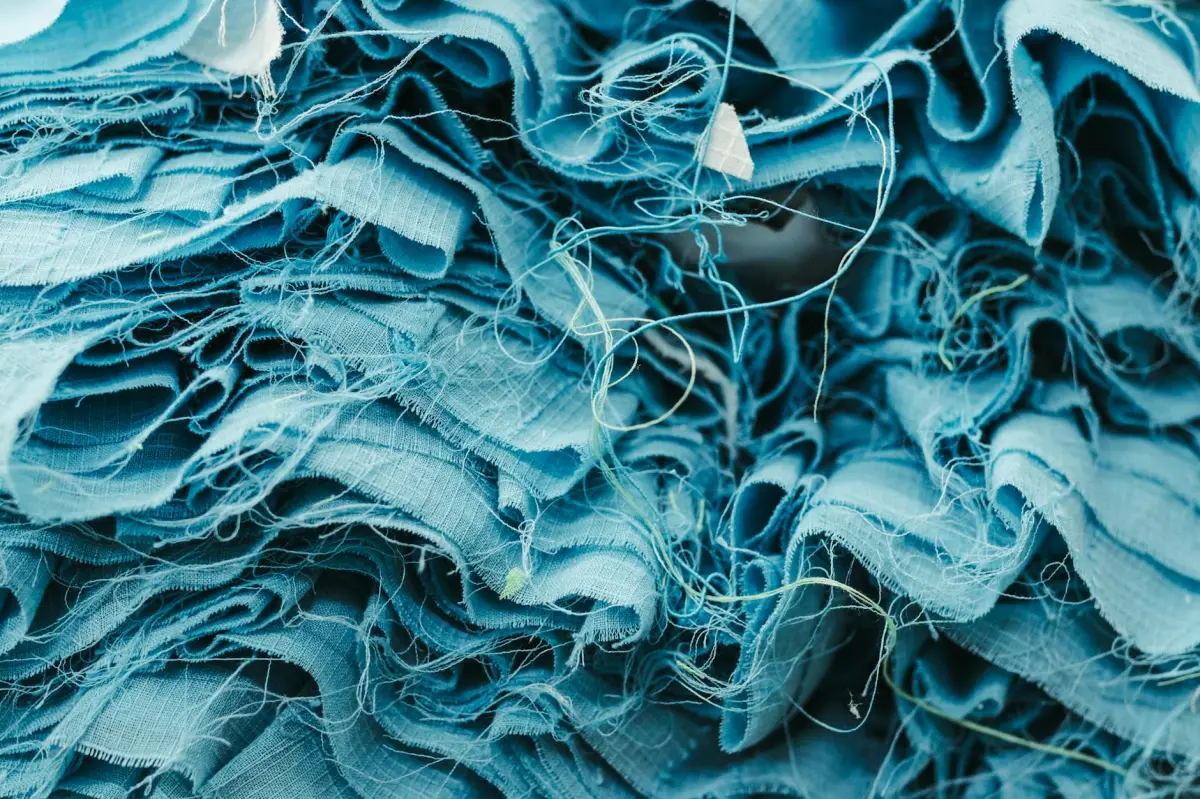
The interior decoration decisions of your home directly and forcefully influence your daily quality of life. Thick shag rugs, heavy velvet curtains, and rough-textured cushions act as giant sponges that trap everything floating around them. Progressively replacing these elements with smooth wood or ceramic floors, easy-to-clean roller blinds, and washable sofa covers drastically reduces the total inventory of irritants in your living room. If you do not want to give up the warmth of rugs, opt for fine cotton ones that you can regularly put in the washing machine at high temperatures.
The exact way you perform cleaning tasks can also be part of the chronic problem or the definitive solution. Sweeping with a traditional bristle broom or a synthetic feather duster only serves to relocate dirt, lifting it off the floor so it ends up floating directly into your nasal passages. The damp cleaning technique, using microfiber cloths slightly moistened with water, magnetically traps dirt without raising annoying clouds. As for bedding, washing it at sixty degrees Celsius is the only temperature scientifically guaranteed to neutralize dust mites embedded in the fibers of the sheets.
Your vacuum cleaner needs to be evaluated and treated almost like a medical-grade tool. If your current equipment does not have a complete airtight sealing system and a certified high-retention filter, the powerful motor will suck up the large dirt but spit out the finest and most dangerous particles through the rear ventilation grille. Investing in a vacuum specifically designed for people with respiratory sensitivity ensures that everything that enters the dust bin stays there permanently, truly improving the atmosphere of the room with each pass instead of worsening it.
Natural solutions and plants: Separating myths from realities
For several decades, the popular belief has circulated that filling the living room with indoor plants is the definitive and ecological solution to purify an enclosed space, based on old space agency studies conducted in perfectly sealed laboratories. The scientific truth is that species such as pothos, spider plants, or peace lilies have a proven ability to absorb certain chemical compounds and toxic gases through their leaves. However, their real impact on suspended solid particles, which are the ones that truly cause allergic crises, is practically nil in a normal domestic environment.
In fact, an excess of indoor botany can be quite counterproductive for an allergic person. The damp soil in pots is the ideal breeding ground for different types of fungi and bacteria. If you enjoy caring for plants, it is highly recommended to cover the surface of the soil with a layer of decorative gravel or coarse sand to prevent mold spores from being released into the open air every time you water. Enjoy your plants for their undoubted aesthetic value and relaxing psychological benefit, but do not delegate the heavy and mechanical work of filtering the environment to them.
Finally, we must address the widespread use of air fresheners, diffusers, and scented aerosols. In a desperate attempt to make rooms smell clean, we often spray synthetic fragrances full of volatile chemicals that severely irritate the respiratory system. A truly clean environment does not smell like artificial pine, forest fruits, or bottled sea breeze; it simply smells like nothing. If you want to neutralize persistent odors from the kitchen or pets, you can place small bowls of baking soda in strategic places, or boil natural citrus peels in water, always avoiding adding new chemical compounds to the atmosphere you are trying so hard to heal.
Frequently Asked Questions
How often should I change the HEPA filters in the air purifier?
The ideal frequency depends on usage and the air quality in your area, but as a general rule, HEPA filters should be replaced every 6 to 12 months. If you have pets or live in a highly polluted city, check the filter every 3 months. A saturated filter loses all its effectiveness and forces the motor to overwork.
Is it better to sweep or vacuum to avoid raising dust and allergens?
Vacuuming is infinitely superior to sweeping, as long as you use a vacuum with a sealed HEPA filter. Sweeping with a traditional broom lifts fine particles from the floor and suspends them in the environment, making it easier for you to breathe them in. If you don't have a vacuum, the best alternative is to use a slightly dampened microfiber mop.
Does air conditioning help reduce allergies at home?
Yes, it can be a great ally because it filters the environment and reduces overall humidity, which slows down the proliferation of dust mites and mold. However, for it to be effective and not counterproductive, you must clean the filtering meshes of the indoor unit or change them at least once a month during the season of intensive use.
How do I know if the humidity in my house is adequate to avoid dust mites?
The most accurate way to measure it is by using a digital hygrometer, an inexpensive device that you can place in any room. If the reading consistently stays between 40% and 50%, you are in the optimal range. If it exceeds 60%, you should consider the immediate use of a dehumidifier.
Do pets considered hypoallergenic or short-haired cause fewer allergies?
It is a common mistake to think that hair is the cause of the allergy. The true reaction is caused by a protein present in the dander (dead skin cells), saliva, and urine of the animal. Although hairless breeds spread fewer physical allergens around the house, no pet is one hundred percent hypoallergenic. Maintaining a strict purification routine is essential.