Common Mistakes When Using Your Cleaning System and How to Avoid Them to Protect Your Health
When you decide to invest in your home's air quality, especially if you live with pets or have family members who suffer from allergies and asthma, you expect flawless results. A device based on particle retention using water completely changes the game compared to traditional methods. However, having a high-end tool at home requires knowing its particularities to get the most out of it for many years.
Often, due to the rush of our daily routine or simple ignorance, we fall into small bad habits of use that can reduce the device's effectiveness. These are not irreparable flaws, but rather habits that, accumulated over time, cause everything from a loss of suction to the appearance of unpleasant odors in the environment. Identifying these practices in time makes the difference between a truly sanitized home and one that only appears to be so superficially.
Throughout this guide, we will review step by step those everyday actions that could be sabotaging your cleaning. We will see how small adjustments in how you prepare, use, and store your delphin t8 can transform the experience, ensuring that the air your family breathes remains as pure as the first day you turned on the equipment.
Not emptying the water basin immediately after each use
One of the most harmful and, surprisingly, most widespread habits is leaving dirty water inside the basin once household chores are finished. The basic principle of this type of technology is that dust, mites, pet dander, and dirt are trapped in the liquid, preventing them from returning to the environment. This means that, after cleaning your living room, that container holds a true organic breeding ground.
If you let that mixture sit for hours or, even worse, overnight, the organic matter begins to decompose. This natural rotting process generates bacteria and fungi that multiply rapidly in a dark, damp environment. The next time you turn on the machine, instead of purifying the air, the ventilation flow will carry the gases from that decomposition, flooding your house with a very unpleasant musty odor that is potentially harmful to sensitive respiratory tracts.
The solution is as simple as integrating the emptying process into your cleaning routine. As soon as you turn off the motor, remove the basin, flush the contents down the toilet or drain, and rinse the container with a little clean water. If you have picked up a lot of dog or cat hair, you can use an old strainer to catch the solid debris before dumping the liquid. This simple two-minute gesture ensures that your equipment is always ready, odorless, and in perfect hygienic conditions for the next session.
Neglecting the deep cleaning of the particle separator
The separator is, without a doubt, the mechanical heart of the system. This small piece spins at thousands of revolutions per minute to create the centrifugal force that forces dust to mix with water, thus separating clean air from dirt. Many people assume that, being in constant contact with water, this part washes itself, which is a completely mistaken belief.
As weeks go by, the finest particles, environmental grease, and limescale residue from tap water can adhere to the slots of the separator. If it is not removed and cleaned properly, this accumulation of dirt unbalances the piece. Spinning at such high speeds, an unbalanced separator generates abnormal vibrations that strain the motor, increase the device's noise, and, in the long run, can cause costly breakdowns that could have been avoided with basic maintenance.
To do it correctly, you must unscrew the central nut, remove the separator, and wash it under the tap using the small brush usually included with the equipment. Rub gently between the blades to remove any film of dirt. Ideally, this process should be done at least once a month, or more frequently if you do post-construction cleaning, vacuum very fine dust like drywall, or have several long-haired pets at home.
Adding chemicals or foamy detergents to the water
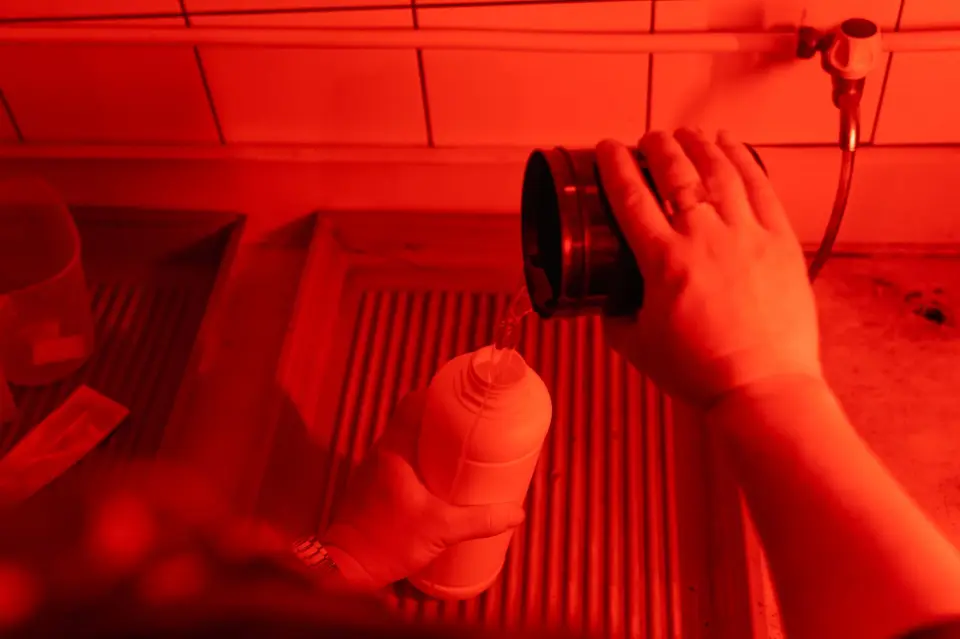
It is very tempting to want the whole house to smell like pine, lavender, or just clean by using your usual floor cleaner directly in the water basin. However, this is one of the most serious mistakes you can make. Conventional cleaning products contain surfactants, chemical substances designed to break the surface tension of water, which inevitably generate a large amount of foam when agitated.
When that foam grows inside the basin due to the high revolutions of the system, it can exceed the safety level and seep directly into the motor block. Moisture and chemical components in the electrical parts cause short circuits, oxidation of internal components, and accelerated deterioration of the appliance's lifespan. Furthermore, the warranty usually does not cover damages caused by negligence related to liquid entering the motor.
If you want to scent your home while cleaning, the safe and healthy alternative is to use a few drops of pure essential oils or fragrances specifically formulated and approved by the manufacturer. These products are designed not to generate foam and not to degrade the plastics of the basin. This way, you achieve a naturally perfumed environment without risking the integrity of your investment or irritating the lungs of asthmatic family members with synthetic volatile organic compounds (VOCs).
Ignoring the maintenance of brushes and motorized accessories
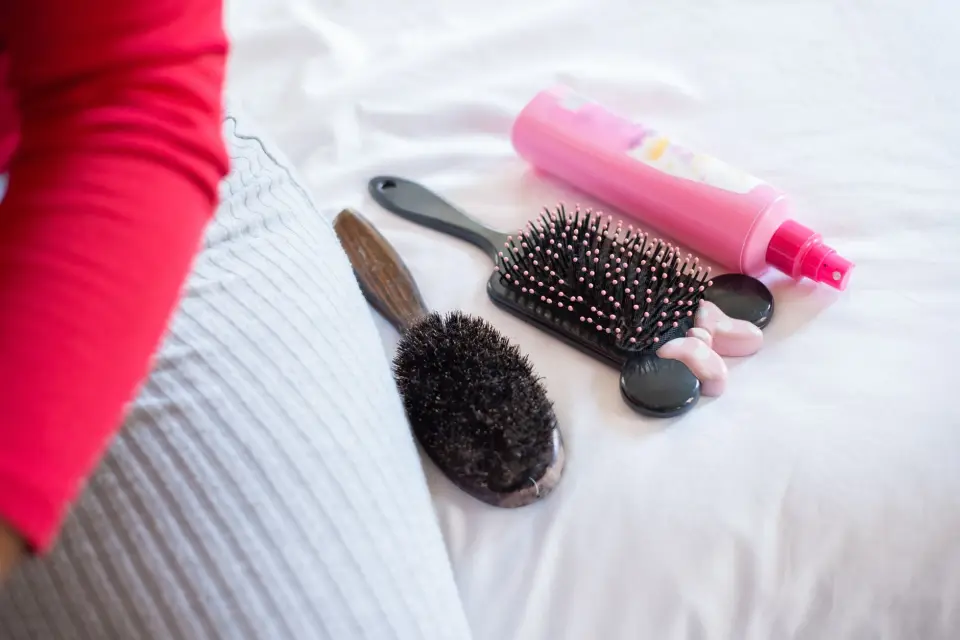
Accessories are the extension of your arm when cleaning, and they suffer direct wear and tear by being in continuous contact with carpets, hard floors, and upholstery. The power brush, designed to beat carpet fibers and extract the most deeply embedded mites, is especially vulnerable to jams. A common mistake is overlooking the inspection of its roller after several weeks of intensive use.
Long hairs, threads, and lint tend to wrap tightly around the roller's axis. If you let this accumulation grow, the brush's independent motor will have to make an extra effort to spin, overheating more than it should. Additionally, the bristles will lose their ability to strike the surface, drastically reducing effectiveness when trapping deep dirt from mattresses or living room carpets.
Taking care of your accessories not only prolongs their life but also ensures that the cleaning quality is always optimal, protecting your carpets and upholstery from unnecessary pulling.
Get used to checking the roller every two weeks. Use small scissors to cut the tangled hairs along the guide groove that these brushes usually have, and pull them out gently. Likewise, check that there are no obstructions in the telescopic wand or the hose. If you notice a sudden loss of suction, it is most likely that some object (like a small sock or a thick piece of paper) has gotten stuck on its way to the basin.
Storing the equipment closed and with moisture inside
The moment of storing the equipment after a general cleaning session is usually done in a rush. A classic mistake is emptying the water, giving the basin a quick rinse, and immediately placing the motor block on top, locking the latches to store it in the closet. This practice creates a perfect airtight environment for the proliferation of mold and bacteria.
Even though you have thrown away the dirty water, the walls of the container and the bottom of the separator are still wet. By sealing the unit, that moisture has nowhere to escape. After a few days, you will notice dark spots on the plastic and a very penetrating musty smell. For people allergic to mold spores, turning on a vacuum cleaner in these conditions means introducing the allergen directly into the air of their own home, exactly the opposite of what is intended.
The correct way to store your purification system is to let the parts breathe. Once the basin is clean, dry it with a microfiber cloth or let it drain upside down. When you go to store it, do not fit the motor hermetically; leave it slightly tilted or propped up so that air can circulate inside the container. Some users prefer to store the basin on one shelf and the motor on another to ensure completely that everything stays dry and ventilated.
Underutilizing the independent ambient purification function
Many families purchase these advanced systems thinking exclusively about cleaning floors and surfaces, forgetting that they have a powerful air washer in their hands. Limiting the use of the device to traditional sweeping tasks is a conceptual mistake that prevents you from enjoying one of its greatest benefits for respiratory health.
During spring, when pollen levels skyrocket, or in winter, when home ventilation is lower and dust accumulates, indoor air can be up to five times more polluted than outdoors. Using the ambient purification function helps filter these suspended particles before they fall to the floor or are inhaled by family members. Not doing so is wasting a fundamental tool for the comfort of asthmatics.
To take advantage of this benefit, simply fill the basin with clean water, place the equipment in the center of the room you want to treat (for example, the bedroom before sleeping), and turn it on at a low speed without any hose connected. Let it run for about twenty or thirty minutes with the door closed. You will see how the environment feels much lighter, fresher, and free of odors, significantly improving the quality of your night's rest.
Frequently Asked Questions
What happens if I vacuum very fine dust like drywall or ash?
The water traps most of these particles, but being so fine, they can saturate the liquid quickly. It is essential to change the water more frequently during the process and meticulously clean the separator when finished to prevent the fine dust from solidifying in the slots.
Can I use hot water in the basin to clean better?
It is not recommended. Room temperature or cold water is perfect for retaining dirt. Very hot water could deform the basin's plastics in the long run and generate excess steam that is not beneficial for the motor's electrical components.
Why does my equipment smell bad when turned on if I already changed the water?
If you have put in clean water but the bad smell persists, it is most likely that you stored the equipment closed while damp, creating mold inside, or that the hose needs washing. Wash the basin thoroughly, clean the separator, and vacuum some clean water through the hose to rinse it inside, letting it hang dry.
How often should I change the HEPA filters?
The great advantage of high-end systems that use water as the main filter is that, in many cases, they do without traditional HEPA filters, or these have a much longer lifespan, since wet dirt does not fly. Consult the manual for your specific model, but the main maintenance focuses on the water and the separator.
Is it normal for the water to turn black in the first few minutes of use?
Yes, totally normal. This demonstrates the effectiveness of the system. Especially on carpets or if you have pets, the water captures fine dust and dirt that you couldn't see on the floor with the naked eye. If the water becomes very thick, change it before continuing to clean to maintain maximum filtering capacity.