
Delphin vs Dyson Vacuum: Ultimate Comparison of Power and Durability
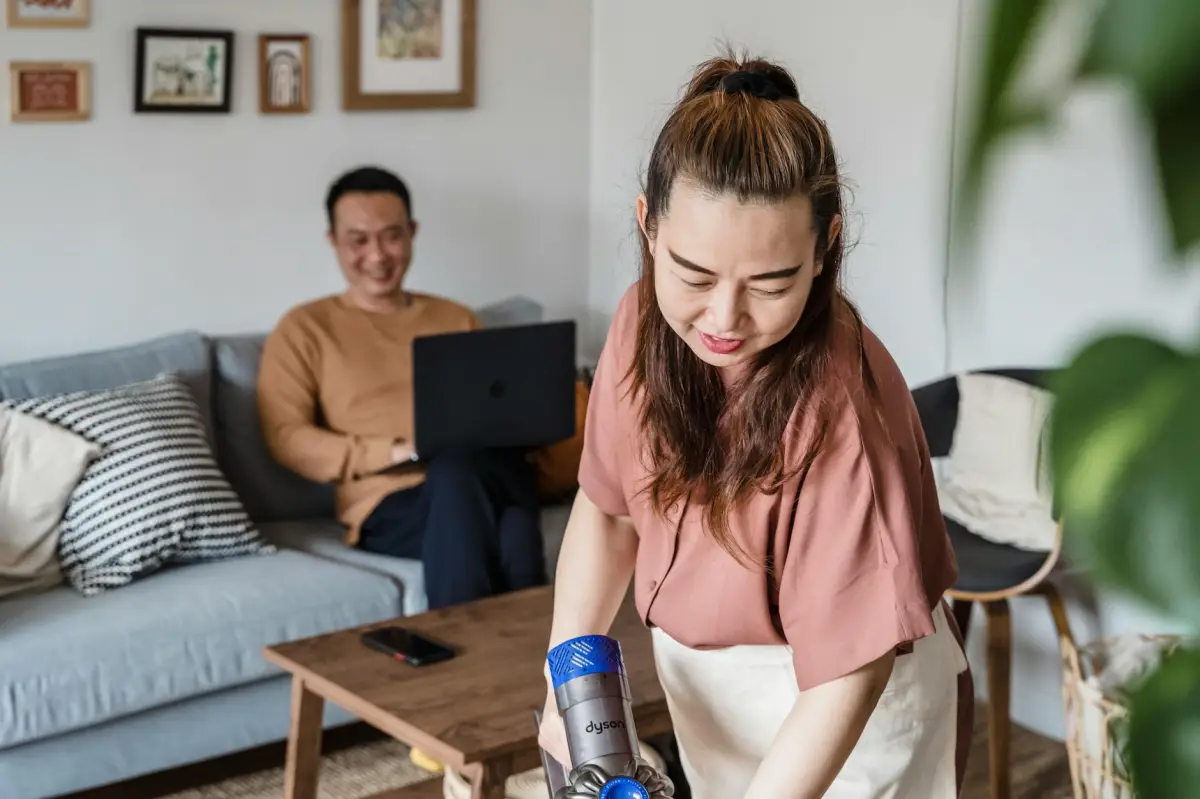
Choosing the right cleaning equipment when managing a premium budget requires analyzing much more than just the exterior design. You are facing two completely opposing engineering philosophies that promise to revolutionize your home's hygiene. On one hand, British innovation focused on extreme lightness, total freedom of movement without tethers, and ultra-fast digital motors. On the other hand, the robustness of German manufacturing that bets on air purification through natural elements and a mechanical architecture designed to last for decades.
Making an informed decision requires understanding exactly what happens beneath the plastic and metal casing of these machines. It is not just about picking up crumbs from the floor, but evaluating how each system manages airflow, the wear and tear of moving parts, and the retention of microscopic particles that affect the air quality your family breathes.
Throughout this detailed analysis, we will put these two titans of the domestic sector head-to-head. We will evaluate their brute force, their resistance over the years, and the level of commitment they require from you to keep them running at the highest level. Get ready to discover which technology truly aligns with your cleaning demands.
The Battle of Technologies: Water Filtration vs. Cyclonic Motors
To understand the true performance of these appliances, we must first look at their mechanical hearts. The German manufacturer uses a highly unique hydro-cleaning system. Contaminated air enters the machine, violently collides with a whirlpool of water, and heavy particles sink immediately. A lamella separator, spinning at thousands of revolutions per minute, creates a physical barrier that prevents fine dust from escaping back into the room.
Dyson, for its part, popularized and perfected cyclonic separation technology. Its devices use extreme centrifugal forces to separate dirt from the airflow. Air spins at supersonic speeds inside polycarbonate cones, pushing everything from the largest particles to microscopic dust toward the walls of the transparent bin, without the need for traditional bags.
The fundamental difference lies in the containment medium. While the cyclonic system relies on air physics and high-efficiency HEPA filters to trap what the cyclones cannot retain, the water equipment uses the liquid itself as a deadly trap for dirt.
Water has no pores to clog, ensuring that the airflow remains constant from the first to the last minute of use.This technical distinction marks the beginning of a massive divergence in how we interact with each appliance.
Suction Power Analysis: Which System Cleans Deeper?

The ability to lift embedded dirt is the deciding factor for the vast majority of users. When we evaluate brute force, the metrics change drastically depending on each manufacturer's approach. The latest British models reach truly impressive figures for battery-powered devices, comfortably exceeding 240 air watts in their most demanding modes. This allows them to pull tangled pet hair out of thick carpets with astonishing ease.
However, the dolphin machine plays in a different league as it is connected directly to your home's direct current. It does not rely on a portable power source that gradually reduces its performance as it discharges. Its brushless motor maintains a constant and unalterable extraction level, regardless of whether you have been cleaning for ten minutes or three uninterrupted hours.
There is an undeniable physical factor in this comparison. Battery vacuums suffer pressure drops when their internal filters begin to saturate with fine dust. Although modern piezoelectric sensors automatically adjust power when detecting a higher concentration of dirt, the physical limit of the paper or fabric filter still exists. In contrast, the aquatic system maintains linear suction because the water absorbs the dirt without restricting the ventilation channel, allowing for deep cleaning of mattresses and heavy upholstery without loss of efficiency.
Durability and Lifespan: A Long-Term Investment

Buying equipment worth several hundred, or even thousands of euros, demands solid guarantees of longevity. This is where structural differences become most evident and where the cost per year of use becomes relevant. Cordless devices suffer the natural and inevitable chemical wear of their lithium-ion cells. A standard battery, subjected to daily charge and discharge cycles, will begin to lose autonomy noticeably after two or three years, requiring an expensive replacement.
In the other corner of the ring, the hydro-vacuum is literally built like an industrial tank. Its motors lack carbon brushes and traditional friction parts, which drastically reduces internal mechanical wear. It is not uncommon to find forums full of users who are still using their machines purchased in the nineties with acoustic and suction performance identical to the first day of purchase.
In addition to the motor, the quality of the plastics defines resistance to everyday bumps. Lightweight models use thin polycarbonates to reduce weight in the hand, making them somewhat more vulnerable to accidental drops. The German equipment uses high-density polymers, much heavier but virtually indestructible against rough handling. If you are looking for an appliance that you can pass down as an heirloom, the balance leans heavily toward the corded option with a water tank.
Maintenance and Everyday Usability

Everyday handling defines whether you will love your purchase or if it will end up abandoned in a closet. Absolute convenience is the undisputed winning card of British models. You grab the device from its wall charging base, pull the trigger, and start cleaning instantly. Its lightness allows it to be raised to clean ceilings, cornices, and curtain rails without fatiguing your arm. The hygienic bin emptying minimizes contact with dirt, resolving the process in just ten seconds over the trash can.
On the contrary, preparing the water equipment requires a specific ritual that you cannot skip. You must fill the basin with the exact amount of cold water before starting and, most critically of all, empty and wash it scrupulously when finishing the task. If you leave dirty water stagnant inside the appliance, you will generate bad odors, bacterial proliferation, and possible damage to internal components. This process adds about ten to fifteen extra minutes to your household chore routine.
Weight also plays a fundamental role in usability. Dragging a canister filled with several liters of water through a house with stairs requires considerable physical effort. While the cordless option dances between furniture thanks to its articulated heads and ergonomic design, the hydro-vacuum demands more planned movements and traction force. Your agility level and the architecture of your home are determining factors in this section.
Impact on Respiratory Health and Allergy Management

Those who suffer from asthma, rhinitis, or severe allergies closely scrutinize the particle retention systems of their appliances. Advanced cyclonic technology incorporates hospital-grade post-motor HEPA filters that capture 99.99% of microscopic particles, including viruses and bacteria. The air they expel is usually considerably cleaner than what we regularly breathe in the room.
Despite this high efficiency, the Achilles heel of dry systems appears at the time of emptying. When opening the trapdoor over the trash can, a small invisible cloud of fine dust always rises and returns to the environment. For a person highly sensitive to dust mites, this brief exposure can be enough to trigger an allergic crisis.
The aquatic approach eliminates this risk at its roots. Water traps dust mites, pollen, mold spores, and pet dander, instantly drowning them and turning them into sludge. By emptying the tank down the toilet drain, there is no chance for dust to fly back into the air. Additionally, this system allows adding essential oils or liquid disinfectants to the tank, simultaneously purifying, sanitizing, and perfuming the environment of the entire house while you clean the floors.
Verdict by Profiles: Which Adapts Best to Your Home?
The final decision does not depend on figuring out which machine is absolutely superior, but rather on honestly analyzing which one naturally fits into your family routines. If you live in a medium or small apartment, value immediacy above all else, and prefer to do quick daily passes instead of dedicating an entire Saturday to deep cleaning, cordless agility will be your best ally. It will allow you to keep the home spotless with minimal mental and physical effort.
On the other hand, if you reside in a large house, live with several furry animals that shed a lot of hair, suffer from diagnosed respiratory sensitivities, and are looking for a definitive appliance that you will not have to replace in the next decade, the investment in water purification more than compensates for the extra effort. The unlimited power and therapeutic-level air cleaning will transform the hygiene of your environment.
Evaluate your long-term budget. The cordless option implies a lower initial outlay but entails maintenance costs for batteries and replacement filters. The German option represents a heavy blow to your wallet on day one, but its operating expenses over the next fifteen years are practically zero, since tap water is its only consumable. Choose based on your patience for maintenance and the depth of cleaning your family truly needs.
Frequently Asked Questions
Is it very tedious to clean a water vacuum after each use?
It requires a strict habit. You must empty the dirty water into the toilet, rinse the basin, and let it dry to prevent bad odors and mold. This process takes an additional 5 to 10 minutes after finishing cleaning, something that does not happen with quick-empty dry models.
How long does the battery of a premium cyclonic vacuum really last?
Under normal conditions and using medium suction modes, they offer between 40 and 60 minutes of autonomy. However, if you constantly use turbo or maximum power mode for thick carpets, the battery can drain in just 10 to 15 minutes.
Which of the two options is better for picking up pet hair?
Both are excellent, but they have different approaches. Cordless models feature highly effective anti-tangle brushes for quick daily passes. The water equipment excels in deep weekend cleanings, extracting embedded hair from sofas and beds without losing power due to saturation.
Do I have to buy replacement filters for the water system?
No. The great advantage of the hydro-cleaning system is that water acts as the main and only filter. There are no paper bags or fabric HEPA filters that saturate or need to be purchased and replaced periodically, which means long-term savings.
Is it safe to use essential oils in these machines?
In equipment with a water tank, it is completely safe and highly recommended. You can add a few drops of natural essences to the water to scent the home while you clean. In dry cyclonic systems, it is strictly forbidden to vacuum liquids or oils, as they would damage the motor and filters.