Eco-Friendly Cleaning: Why Water Filtration Beats Paper Filters

Almost all of us have experienced that unpleasant sensation when turning on a cleaning appliance and being hit with a blast of stale air. That characteristic smell of overheated dust is not just an olfactory nuisance; it is an alarm signal indicating that the method we are using to sanitize our spaces has deep structural flaws. For decades, we have been convinced that the only way to trap dirt is by forcing air through increasingly dense physical barriers. However, nature has been demonstrating for millions of years that a much more efficient, clean, and renewable method exists.
When we talk about maintaining a truly pristine environment, the conversation usually focuses on engine power or the exterior design of the appliance. Rarely do we stop to analyze the life cycle of the consumables these devices require to operate. This is where an absolute paradigm shift comes into play. By dispensing with cellulose barriers or synthetic fibers, we open the door to a methodology that respects both our immediate surroundings and the global environment.
The foundation of this domestic revolution lies in understanding that air and water are perfect allies. By observing how the Aspiradora Delphin Revolutionizes Cleaning in Homes with Pets">Aspiradora Delphin In-Depth: Is This Cleaning System Really Worth It?">Aspiradora Delphin: Honest Review, Price, and If It's Really Worth It">Aspiradora Delphin utilizes this natural principle, we quickly understand why conventional methods are destined to become obsolete. It is not just about picking up crumbs from the floor, but about completely transforming the quality of the environment we breathe in our personal refuge.
The hidden problem with traditional retention systems
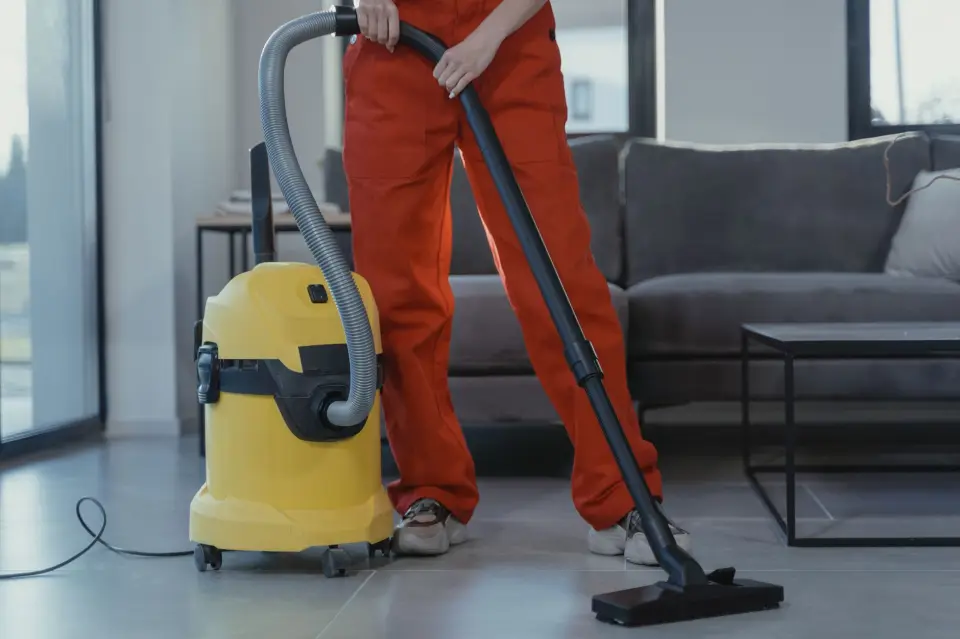
To understand the magnitude of the change, we must first analyze what actually happens inside a conventional device. Bags and pleated cartridges operate on a very basic principle: trapping large particles while allowing air to pass through microscopic pores. The main drawback of this mechanism is that, from the very first second of use, those tiny holes begin to clog. As dirt blocks the air's escape routes, the motor must work twice as hard to maintain a suction capacity that inevitably plummets.
In addition to the loss of energy and mechanical efficiency, there is a biological factor rarely mentioned in instruction manuals. The inside of a dark, warm bag filled with organic matter acts as an incubator. Dead skin, pet hair, and food crumbs create the ideal ecosystem for the proliferation of bacteria and mites. The disadvantages of this system are obvious:
- Constant loss of suction: Pores clog quickly, decreasing effectiveness minute by minute.
- Source of biological contamination: Accumulated organic matter rots inside the closet between uses.
- Severe environmental impact: Constant generation of synthetic waste that cannot be recycled.
When you store the equipment after cleaning, you are not stopping the biological activity. Weeks later, when you turn the appliance back on, the airflow sweeps up the multiplied spores and microorganisms, expelling them directly into the environment you were trying to purify. From an ecological perspective, the impact is devastating. Every year, millions of tons of non-recyclable refills end up in landfills. These items are usually made of complex mixtures of plastics, glass microfibers, and treated cardboard, making it impossible to separate them in waste treatment plants.
How water purification technology works
The alternative to this dependence on consumables is found in biomimicry, that is, in imitating the solutions that nature itself has perfected. Think about how the environment feels after an intense storm. The air feels light, fresh, and free of suspended particles. This happens because raindrops act like magnets that trap dust, pollen, and atmospheric pollutants, dragging them to the ground. This meteorological phenomenon is exactly what is recreated on a small scale inside a system that uses a liquid medium to retain dirt.
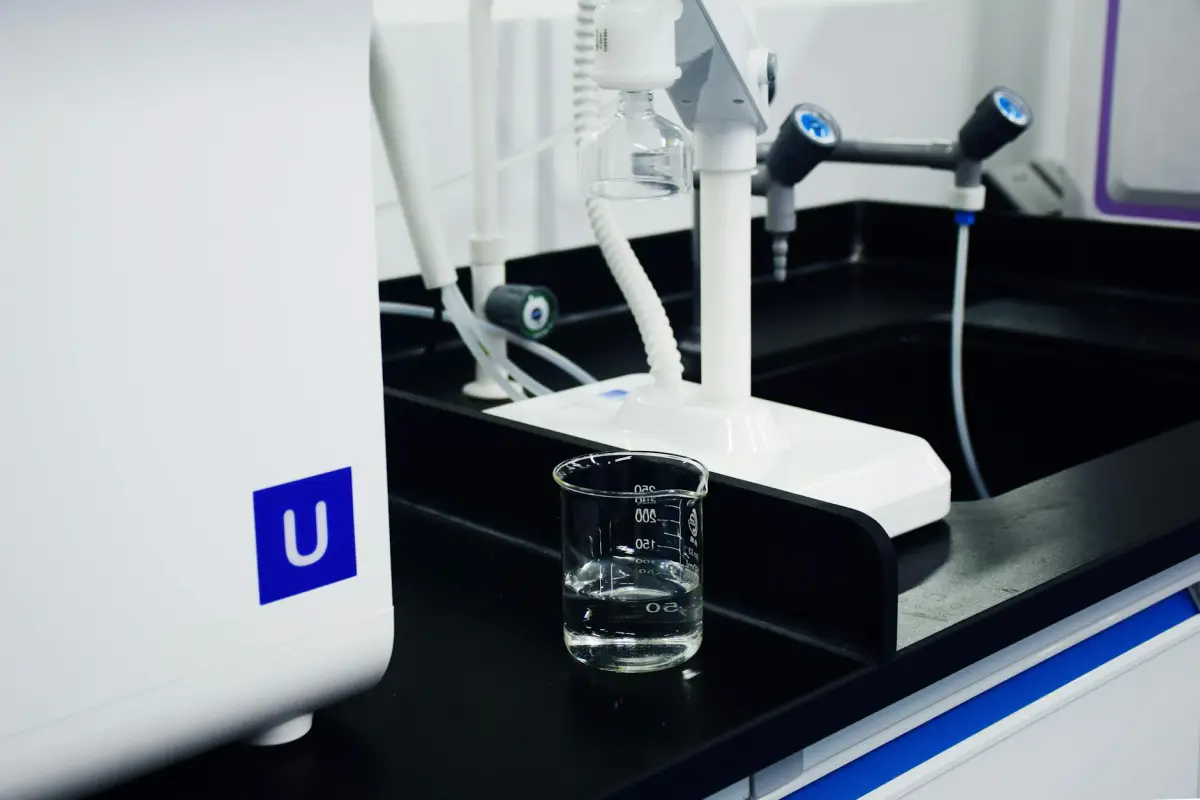
Instead of forcing air through a porous wall, the suctioned dirty air is directed into a tank filled with tap water. This is where physics proves its effectiveness. Through a dynamic separator spinning at thousands of revolutions per minute, an internal whirlwind is generated. This centrifugal movement causes every dust particle, no matter how tiny, to violently collide with the liquid. As the most elementary logic dictates: wet dust cannot fly. It remains irreversibly trapped in the mass of water.
What is truly fascinating about this process is that the retention efficiency remains unchanged. Since there are no fabric or paper weaves that can get clogged, the airflow moves without restrictions from the beginning to the end of the task. The motor works effortlessly, optimizing electrical consumption and ensuring that the suction power does not experience any drop, regardless of the amount of dirt or lint accumulated in the tank.
Real benefits of eliminating disposable bags and cartridges

The most immediate impact you will notice when making the leap to this technology is absolute liberation from the tyranny of refills. Those in charge of home maintenance know well the frustration of trying to clean and discovering they have run out of bags. Added to this is the challenge of finding the exact model in the store, especially if the appliance is a few years old. By using tap water as the sole filtering element, you have a guaranteed lifetime supply right in your kitchen or bathroom.
True savings do not lie in buying cheap refills, but in completely eliminating the need to buy them, opting for inexhaustible and natural resources.
Economically, the medium and long-term savings are extraordinary. If we calculate the accumulated cost of purchasing HEPA barriers, multi-layer bags, and motor protectors over the lifespan of a standard appliance, the figure usually far exceeds the value of the device itself. This business model, based on the continuous sale of accessories, benefits manufacturers but punishes the consumer's wallet. By breaking this cycle, the initial investment in higher-quality equipment pays for itself naturally and progressively.
On the other hand, the alignment with the zero-waste philosophy is complete. Reducing our carbon footprint is not just about recycling packaging, but about preventing the generation of unnecessary trash at the source. By emptying the dirty water down the toilet or drain, the sediments return to the city's wastewater treatment cycle. The creation of single-use plastics and synthetic components that would take centuries to degrade underground is removed from the equation.
Ultimate relief for people with allergies and respiratory problems

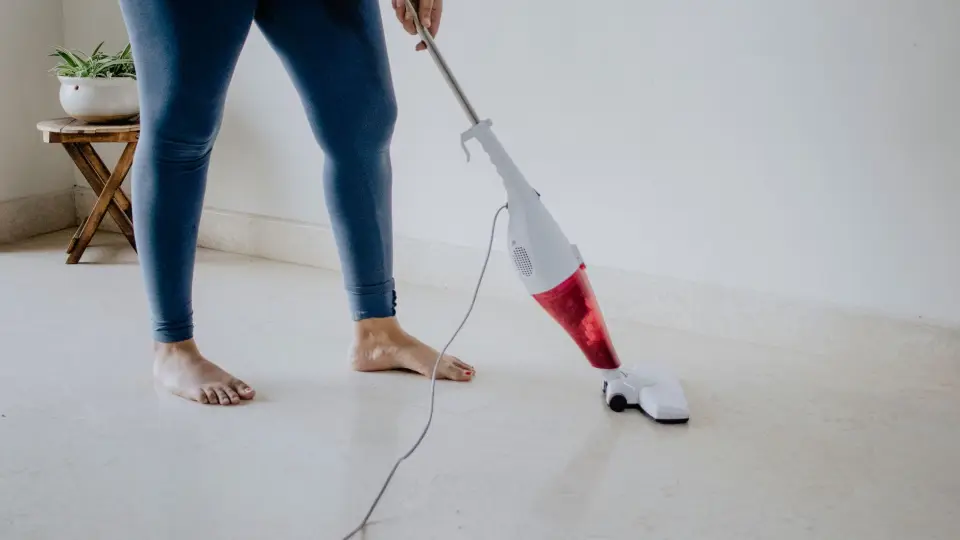
For those suffering from asthma, rhinitis, or sensitivity to mites, cleaning day is often synonymous with sneezing, itchy eyes, and congestion. This is because brooms and traditional suction systems tend to kick up the finest particles, keeping them suspended at the level of our airways. Technology based on a liquid vortex drastically changes this scenario, becoming a therapeutic tool to improve indoor air quality.
Dust mites are microscopic organisms that feed on our skin flakes and thrive in mattresses, carpets, and sofas. Their droppings are highly allergenic and so light that any draft lifts them. By trapping these allergens in an aquatic medium, their ability to float is completely neutralized. The air the device expels back into the room has literally been washed, returning a pure breeze that makes breathing easier and significantly improves the quality of a night's sleep for the whole family.
Besides eliminating irritants, this system allows for the safe and effective incorporation of aromatherapy practices. By adding a few drops of pure essential oils, such as eucalyptus, lavender, or tea tree to the tank, the appliance distributes the botanical properties throughout the house while sanitizing. This naturally refreshes the environment, eliminating persistent pet or cooking odors without resorting to chemical aerosols that worsen mucous membrane irritation.
Smart maintenance: What changes in your home hygiene routine
It is common for doubts to arise about whether handling a liquid tank is more tedious than throwing a bag in the trash. Reality proves exactly the opposite. Disposing of dirty water is a hygienic and extremely straightforward process. There are no dust clouds when opening compartments, nor accidental contact with accumulated dirt. You simply remove the tank, pour the contents down the toilet, and rinse it quickly under the tap. Cleaning ends the exact moment you empty the container.
This routine prevents the accumulation of unpleasant odors in the home. Since the equipment is stored completely empty and clean after each use, it is impossible for bacterial colonies to develop inside. The steps for perfect maintenance are minimal:
- Instant emptying: The formed sludge is disposed of down the toilet without kicking up volatile particles.
- Turbine cleaning: A simple rinse under the tap keeps the motor free of obstructions and running at peak performance.
- Air drying: Storing the tank open prevents any type of residual moisture or musty smell.
Versatility is another factor that transforms the daily routine. A system with these characteristics does not fear domestic accidents. If a glass of milk spills, a pot of damp soil breaks, or there is a small leak in the washing machine, the equipment can absorb liquids with the same efficiency as it collects dry dust. This multipurpose capability reduces the need for multiple tools, simplifying the arsenal of utensils we keep at home and optimizing our working time.
Towards a truly sustainable and toxic-free home
Adopting methods that dispense with synthetic consumables is a firm step towards creating a home refuge, a space where the health of its inhabitants is the absolute priority. True sustainability is not a passing fad, but a conscious redesign of our habits. By understanding that we do not need to continuously generate trash to remove dirt from our floors, we break the dynamics of planned obsolescence and thoughtless consumption.
Durability is a fundamental pillar in this ecological approach. Equipment designed to operate with the force of fluids and centrifugal physics usually has a robust construction, intended to last for decades without losing performance. Unlike the fragile appliances that flood today's market, investing in a highly engineered machine means acquiring an infallible long-term companion. This is where the value proposition of the Delphin vacuum shines brightly, demonstrating that superior quality and environmental respect can go perfectly hand in hand.
Transforming the way we care for our intimate spaces has a domino effect on our overall well-being. Breathing clean air, reducing our waste footprint, and simplifying our household chores gives us peace of mind. At the end of the day, the goal of keeping the house spotless should not be a source of stress or an ecological guilty conscience, but a fluid, natural, and deeply satisfying process that allows us to fully enjoy our family environment.
Frequently Asked Questions
Is it difficult to clean the water tank after using the equipment?
Not at all. The process simply consists of removing the tank, emptying the dirty water into the toilet, and rinsing it under the tap. It takes less than a minute and completely avoids contact with dry dust.
What happens if I accidentally vacuum liquids with this system?
Unlike paper bag devices, which would be ruined immediately, water-based systems are designed to tolerate and collect spilled liquids without damaging the motor, increasing their versatility.
Can I use essential oils to scent the house while cleaning?
Yes, that is one of its great advantages. By adding a few drops of 100% pure essential oils to the tank water, the equipment acts as a powerful aromatherapy diffuser, purifying and scenting the environment simultaneously.
Why does the air smell bad when I use conventional systems?
The bad smell comes from organic matter (dead skin, hair, food crumbs) decomposing inside the dark, warm bag. As air passes through that accumulated dirt, it expels the decomposition gases into the environment.
Do you really save money by not buying replacement filters?
The savings are very significant. Over the years, the continuous expense of specific bags and high-efficiency HEPA filters often exceeds the cost of the appliance itself. Using tap water eliminates this recurring expense forever.