Effortless Curtain and Upholstery Cleaning for an Allergy-Free Home
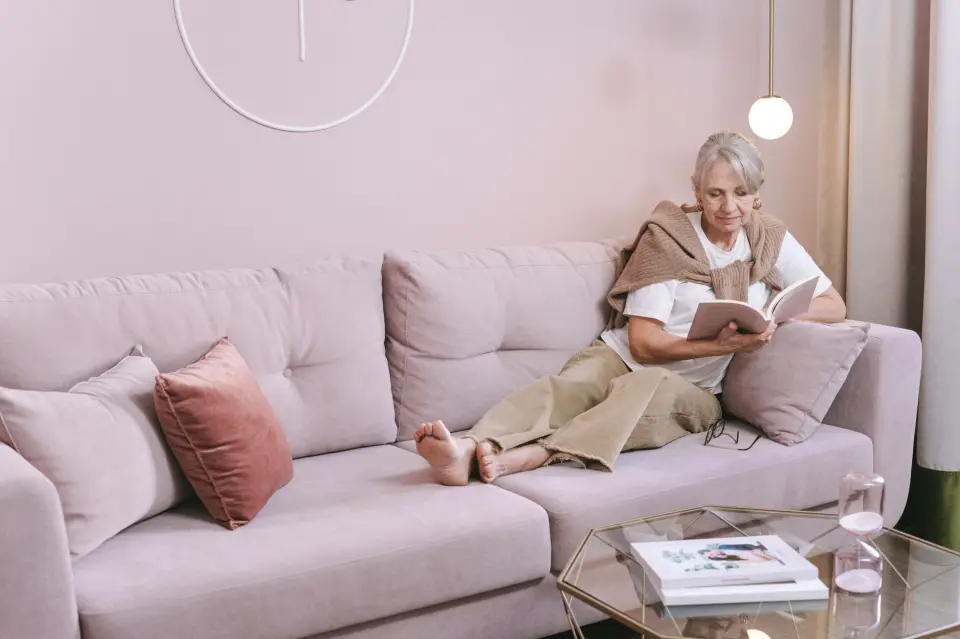
Have you ever sat on the sofa and seen a cloud of particles floating in the backlight? That everyday image is visible proof that our upholstered furniture acts as giant filters. They trap everything floating in the environment, from the finest dust to invisible allergens. Keeping these surfaces spotless is usually an exhausting task, but understanding how dirt retention works in fabrics is the first step to completely transforming your domestic hygiene routine, saving time and protecting the health of your entire family.
The hidden challenge in your living room and bedroom fabrics
Home textiles are wonderful decorative elements that provide warmth and comfort, but they also have a less friendly side. The intertwined fibers of sofas, armchairs, blinds, and cushions work as a perfect net to capture human skin flakes, outdoor pollen, mold spores, and pollution particles. As days go by, this silent accumulation transforms a comfortable piece of furniture into a constant source of respiratory problems for the inhabitants of the house.
For families living with dogs or cats, the situation becomes even more complex. Pet hair has an amazing ability to weave itself between the threads of the upholstery. It is not just an aesthetic issue; along with the hair travels animal dander, a microscopic protein that triggers severe reactions in sensitive people. When we sit or lie down, the pressure exerted on the cushions expels these allergens directly into our breathing zone, causing immediate discomfort.
Ignoring the deep hygiene of these surfaces means living with millions of dust mites. These microorganisms find the ideal ecosystem to proliferate in the darkness and warmth of our furniture. They feed on our biological remains, and their waste is the real culprit behind the morning sneezes, nasal congestion, and itchy eyes suffered by many asthmatic children and adults in their own homes. Tackling this problem requires going much further than a simple superficial wipe.
Why water is the ultimate barrier against textile dirt

For decades, we have been accustomed to using maintenance systems based on paper bags or tanks with fabric filters. The great flaw of these traditional mechanisms is that they rely on tiny pores to let the air out. As those pores become blocked with dirt, the equipment rapidly loses suction power. Worse still, the finest and most dangerous particles pass through those barriers and return to the environment, leaving us with that annoying sensation of a stuffy atmosphere and a burnt dust smell.
This is where the most basic science offers us a masterful solution: wet dust does not fly. By incorporating a system that forces the entire airflow to crash violently against a liquid whirlpool, we change the rules of the game. Dirt, dust mites, and hairs are instantly trapped in the water. There are no pores to clog or filters to wash by hand with frustration. Every time you start your task, you do it with one hundred percent efficiency from the first minute to the last.
This is precisely the retention philosophy used by the delphin t8, a piece of equipment designed to wash the air while sanitizing your surfaces. Since there is no physical barrier to obstruct, the suction capacity remains constant. This allows the extraction of embedded sand in the deepest layers of the armchairs, the kind that wears out fabrics from the inside, ensuring that the air returned to the room comes out purified and fresh, like after a summer storm.
Common mistakes when trying to remove dog and cat hair from furniture

Anyone who shares their life with animals knows how frustrating it is to keep a sofa spotless. One of the most frequent mistakes is relying exclusively on adhesive rollers. Although they seem practical for a quick touch-up before receiving visitors, at the domestic hygiene level, they are completely ineffective. They only collect the most superficial layer of lint, leaving animal dander and embedded dirt at the base of the fabric intact, in addition to generating a constant waste of paper and plastic.
Another common flaw is using hard-bristled brushes and rubbing vigorously against the fabric. This aggressive friction can break the delicate fibers of the upholstery, causing the appearance of pilling or premature discoloration. Furthermore, when dry brushing, a large part of the microscopic allergens are lifted into the air, transferring the problem from the sofa to the curtains, nearby furniture, or directly into our lungs, worsening allergy symptoms.
Finally, the use of conventional systems to collect animal hair often leads to a serious problem of bad odors. When hair and dander are stored in a dark bag at room temperature, bacteria begin to decompose the organic matter. The next time you turn on the appliance, the motor heats that bag and expels a rancid wet dog smell throughout the living room. Using a liquid medium eliminates this problem at its root, since the dirty water is simply flushed down the toilet when finished, taking away any possibility of bad odors.
Practical guide to renewing sofa and armchair upholstery
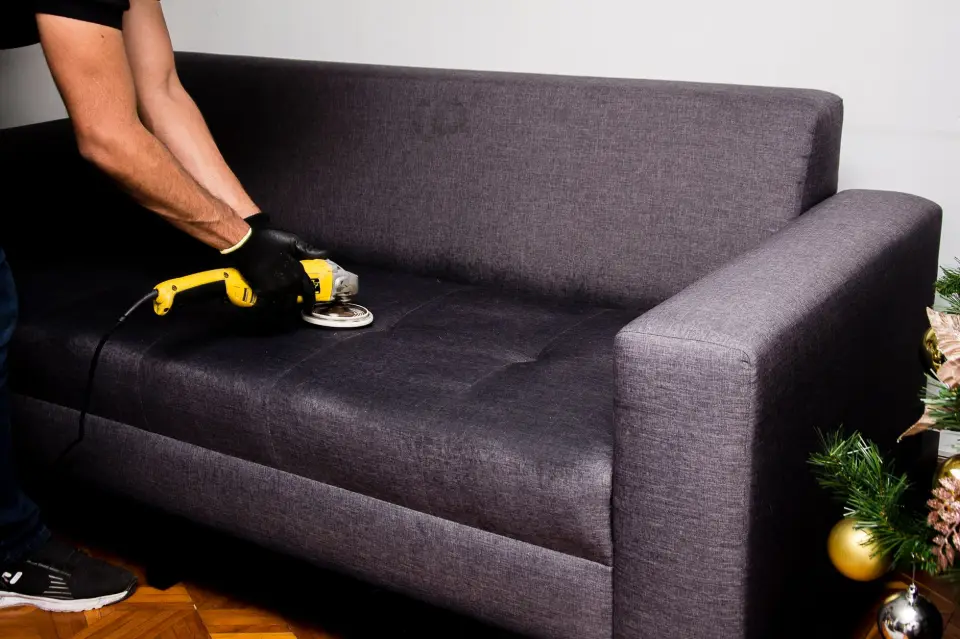
To achieve professional results without leaving home, the applied technique is just as important as the tool you use. It is not about passing the accessory quickly over the fabric, but about following a methodical process that guarantees the extraction of dirt accumulated inside the padding. Below, we detail the key steps to achieve deep hygiene:
- Area preparation: Remove all loose cushions, blankets, and decorations. Always start with the base structure of the sofa, paying special attention to crevices, seams, and dark corners. It is in these narrow spaces where crumbs, shoe sand, and larger lint accumulate.
- Deep and controlled passes: Work on each cushion individually. Use slow, overlapping passes. Haste is the greatest enemy of good hygiene. By moving the nozzle slowly, you allow the airflow to penetrate several inches below the fabric, extracting the dust mites nesting in the foam.
- Attention to the backrests: Do not forget the back of the furniture. Although they may not have continuous direct contact, they collect environmental dust that settles daily, acting as a magnet for airborne particles.
If you encounter areas where your pet usually sleeps, pass the tool in multiple directions, both vertically and horizontally, to unhook stubborn hairs that have woven into the fabric's weave. A huge advantage of using a vacuum cleaner based on Water Filtration Beats Paper Filters">water filtration technology is that, by performing this process, you are also renewing the living room environment, leaving a trail of clean air in your wake.
The ultimate method to wash curtains and blinds without taking them down
Curtains are the great vertical filters of our windows. They absorb the pollution that enters from the street and the dust that circulates inside the home. However, their maintenance is often postponed due to the laziness induced by the traditional process: climbing a ladder, removing hooks, filling the washing machine, praying the fabric doesn't shrink, ironing meters of fabric, and hanging them back up. Fortunately, there is a much smarter and less exhausting way to keep them spotless.
The secret is to perform maintenance directly from the rod, using gravity to your advantage. To do this, it is essential to have a soft-bristled brush that caresses the fabric without sucking it violently. Always start from the top, near the ceiling, which is where the finest dust and cobwebs accumulate, and slowly descend towards the floor. Keep the fabric slightly taut with one hand while sliding the tool with the other. This constant movement prevents the fabric from wrinkling or getting stuck in the nozzle.
In the case of roller blinds, Japanese panels, or Venetian blinds, the process is similar but requires horizontal or vertical movements, always following the direction of the slats or the natural fold. Performing this routine once a month prevents dirt from fixing to the fabrics due to environmental humidity. By keeping curtains dust-free in this simple way, you will notice that sunlight enters cleaner and that the closed-room smell completely disappears, prolonging the lifespan of your textiles for years.
Daily benefits for families with allergies and asthma
Transforming the way we care for our textiles has a direct and measurable impact on family health. When you eliminate the load of dust mites from the places where you spend the most hours resting, the body stops being in a state of constant alert. This translates into nights of deep and restful sleep, without sudden awakenings from coughing fits or the need to use tissues in the early hours of the morning. The home becomes a safe haven again, not an immunological minefield that drains your defenses.
Furthermore, by trapping dirt in a liquid medium, the endless cycle of dust is broken. You have surely noticed that, with old methods, you dust the furniture on a Tuesday and by Thursday it is there again. This happens because fine particles float for hours before falling back down. By sanitizing your sofas and curtains with your delphin t8, the amount of suspended particles throughout the house drops drastically. Less dust in the air means less dust on the shelves and, therefore, less time dedicated to exhausting household chores.
"The peace of mind knowing that your children can play on the floor or hug the sofa cushions without breathing allergens is priceless; it is a direct investment in their quality of life."
Adopting a preventive and effective routine is the best decision for the well-being of the home. Knowing that you can enjoy the company of your animals without sacrificing your respiratory health completely changes the family dynamic. There is no longer a need to forbid dogs from getting on the armchair or to fear the arrival of spring. With a truly efficient vacuum cleaner and the right tools, maintaining a pure environment free of invisible threats ceases to be a heavy chore to become a simple gesture that protects those you love most every day of the year.
Frequently Asked Questions
How often should I sanitize the sofa if I have pets at home?
If you live with dogs or cats, the ideal is to perform a deep pass over the upholstery at least once a week. This prevents the hair from weaving into the fibers and animal dander from accumulating, drastically reducing allergic reactions and bad odors.
Is it safe to use this type of system on silk or linen curtains?
Yes, completely safe. The key is to use the soft-bristled accessory specifically designed for textiles and keep the fabric slightly taut. As there is no aggressive mechanical friction, delicate fabrics like silk or linen are cleaned without suffering wear or pulling.
How does the water filter eliminate bad odors from upholstery?
Bad odors in sofas are usually caused by bacteria decomposing organic matter (like dander or sweat) trapped in the fabric. By extracting this dirt from the root and trapping it in the water, you eliminate the source of the odor. Additionally, the equipment purifies the room's air simultaneously.
Do I need to use chemicals to remove dust mites from the armchair?
It is not necessary. The powerful air extraction combined with water retention is enough to uproot and trap dust mites and their waste. Avoiding chemicals is especially beneficial for asthmatic people, as artificial vapors can irritate the respiratory tract.
Why does dust reappear so quickly with traditional methods?
Systems with bags or fabric filters have micropores that let the finest dust escape back into the environment during use. Those particles float in the air for hours and end up falling back onto your furniture. Water filtration traps that fine dust, breaking this cycle.