How to Disinfect the Air in Your Home: The Ultimate Guide to Breathing Purity

Opening the window to ventilate in the mornings is an everyday gesture, almost automatic, that we all do by instinct looking for freshness. However, when we close the windows to keep the heat in winter or the air conditioning in summer, our personal refuge can quickly become an airtight space where millions of invisible particles coexist. Flaked skin remnants, pollen brought from the street, mold spores, and animal dander accumulate day after day. If you live with asthmatic people, those sensitive to dust, or have pets running down the hallway, you know perfectly well that maintaining a truly clean and safe environment goes far beyond using a scented mop or sweeping the floor persistently.
The concept of washing the atmosphere of our home sounds like science fiction to most people, but it is a real and urgent need. Airborne particles are directly responsible for those annoying morning sneezes, chronic nasal congestion, itchy eyes, and that fine grayish layer that reappears on wooden furniture just a few hours after a deep clean. To solve this problem at its root and protect our family's respiratory health, we need to completely change our approach. We must stop moving dirt from one place to another with ineffective tools and start trapping it definitively, preventing it from floating around us again.
Throughout this extensive and detailed guide, we are going to explore a revolutionary and completely natural cleaning method that imitates the behavior of rain to sanitize every corner of your home. Get ready to discover how to transform the climate of your living room and your bedrooms, creating an oasis of absolute well-being where every breath is synonymous with health, tranquility, and lasting freshness.
The Invisible Reality: What We Actually Breathe Inside Our Home
It is deeply paradoxical to think that the place where we feel safest and most protected can be, at the same time, the main source of respiratory irritations and allergies. Various international environmental studies alarmingly point out that enclosed spaces can be up to five times more polluted than the street itself in a city with traffic. This is not at all because we are careless with hygiene or lazy with household chores, but due to the very constructive nature of our modern homes. Today's houses are designed to be highly energy-efficient, which means they are almost airtight to retain temperature. Unfortunately, that same airtightness mercilessly retains all the impurities, toxins, and allergens we generate or introduce.
Think for a moment about an intense ray of sunlight entering through the window in the mid-afternoon, crossing the living room. That column of light usually reveals a constant and unsettling dance of floating specks that, at first glance, seem harmless. However, under the lens of a microscope, what we are seeing is a complex biological mixture composed of textile fibers shed from our clothes, microscopic mold spores from damp areas, pollen that has traveled attached to our shoes, and the dreaded dust mites along with their excrement. These invisible microorganisms and their organic waste are the main triggers of allergic reactions and asthma episodes throughout Europe, especially affecting the most vulnerable lungs of children and the elderly.
To this dense domestic cocktail, we must obligatorily add the presence of our beloved furry friends. Dogs and cats, no matter how clean we keep them, renew their coats and shed skin cells constantly and uninterruptedly. This animal dander is extremely light, volatile, and sticky, easily adhering to curtains, floating up to ceilings, and sneaking deeply into the tightest fibers of carpets. When we use traditional cleaning methods, such as dry rubbing with dusters or using a conventional vacuum cleaner equipped with cloth or porous paper bags, the motor expels a strong jet of air out the back. This aerodynamic exhaust acts like an uncontrolled fan, lifting all these microscopic particles from the floor and violently returning them to the environment that, ironically, we thought we were cleaning.
The true challenge of modern cleaning is not picking up the giant dust bunnies we see rolling on the floor, but definitively trapping that microscopic pollution floating around us that ends up lodging directly in our lungs with every breath.
Nature as Inspiration: The Power of Trapping Dirt in Water

If we stop to carefully observe how nature cleans and purifies the Earth's atmosphere on a large scale, we will find the most efficient, logical, and ecological answer to our domestic problem. After an intense spring storm, the environment smells clean, the sky looks incredibly clear, and taking a deep breath is a revitalizing pleasure. This happens due to a very basic physical principle: raindrops have trapped suspended particles, excess pollen, and urban pollution, inexorably dragging them to the ground. This exact same physical and natural principle is used by the cleaning system based on water filtration to sanitize indoor spaces.
Instead of relying on tiny pores in paper or cloth filters that end up clogged with dirt and losing effectiveness within minutes of turning on the motor, aquatic filtration technology uses the liquid element as an insurmountable physical barrier. Air loaded with impurities, dust mites, and bad odors is forcefully suctioned and directed straight into a high-speed water swirl inside the tank. In this liquid and turbulent environment, dust gets wet instantly. Upon getting wet, dust and allergens become heavy, losing their ability to fly, and are trapped with no escape at the bottom of the container.
This is precisely where an advanced device like the delphin t8 shines brightly and demonstrates its technical superiority. Thanks to its exclusive and sophisticated German engineering, which completely dispenses with washable HEPA filters or replacement bags, it guarantees that the suction flow and cleaning capacity remain 100% constant for the entire duration of the task. Its centerpiece, a special turbine designed with aerodynamic precision, spins at thousands of revolutions per minute. This extreme rotation creates a centrifugal effect that masterfully separates clean air from dirty water. The direct result of this physical process is that what comes out through the device's ventilation grille is washed, fresh, revitalized, and totally purified air, free of any trace of allergens and unpleasant odors.
This total absence of traditional consumables not only represents a huge and constant relief for the family economy in the long term, but also ensures from a hygienic point of view that the machine never becomes a dark, warm breeding ground for bacteria. At the end of your cleaning session, you simply remove the tank, dispose of the dark, muddy liquid down the toilet, and rinse the container. You are physically eliminating the problem from your house forever, flushing it down the pipes, without ever having to handle dusty bags that make you sneeze or shake out dirty filters in the kitchen trash can.
Step-by-Step Guide to Sanitizing the Environment of Your Rooms

Washing the atmosphere of your home and transforming it into a refuge of pure air is a surprisingly simple and rewarding process that you can integrate into your weekly routine with hardly any physical effort. Unlike traditional cleaning tasks that are exhausting and repetitive, this method works for you passively for the most part. Below, we detail the ideal step-by-step protocol to achieve professional and clinical results in your own living room, hallway, or bedroom.
1. Equipment Preparation and Environment Conditioning
The first step is always the easiest. Start by filling the device's transparent tank with cold tap water until it reaches the level mark indicated by the manufacturer. It is crucial to note that you do not need to add harsh chemicals, bleach, or foaming detergents to achieve effective environmental disinfection; pure water is enough to trap dirt. Place the device in the geometric center of the room you wish to treat. If your goal is to sanitize a bedroom to improve rest, make sure to open the built-in closet doors and pull the bed slightly away from the wall. This allows the airflow circulation to be optimal and reach even the last dark corner where static dust usually accumulates.
2. The Passive Purification and Air Washing Cycle
Once the stage is set, turn on the motor by selecting a low or medium speed, depending on the room's dimensions. Leave the room and let it run completely autonomously for about 15 to 20 minutes, making sure to keep the windows and door closed. During this valuable period of time, the machine will be working tirelessly, renewing the room's total air volume several times per minute. It will be actively suctioning floating particles, suspended pet dander, and returning a fresh, washed breeze. It is the perfect time for you to relax in the living room, read a book, or brew some tea while advanced technology does all the heavy lifting for you.
3. Active and Deep Disinfection of Textile Surfaces
Once we have washed the floating space and the air feels light, we must avoid by all means that hidden dirt deposits contaminate it again the next day. To do this, connect the flexible hose and the motorized power nozzle accessory to work directly on mattresses, living room sofas, and thick carpets. These textile surfaces are the true lungs of the house, acting like sponges that accumulate years of dead skin, dried sweat, and millions of dust mites. By extracting this deep contamination through vibration and instantly trapping it in the tank's liquid, we guarantee that the home's overall environment remains pure, healthy, and balanced for much longer.
4. Nighttime Air Washing for a Restful Sleep
As an additional step for families with severe respiratory problems, we recommend running a short purification cycle just before going to sleep. Place the device in the bedroom about 10 minutes before going to bed. This will eliminate any particles that were stirred up while making the bed, shaking the cushions, or getting undressed. Entering a freshly purified room produces a thermal and olfactory sensation similar to sleeping in the high mountains, facilitating deep breathing from the very first minute of sleep.
A Deep Breath: The Real Impact on Families with Respiratory Sensitivity

For those lucky enough not to suffer from any type of allergy, household dust is perceived simply as a minor aesthetic problem, something that makes furniture look ugly. But for a family living daily with asthma, chronic allergic rhinitis, or high sensitivity to animals, an allergen-laden environment means endless nights of insomnia, watery and red eyes, a constant dry cough, daytime fatigue, and an exhausting dependence on antihistamine medications. Radically transforming the quality of the indoor environment through water purification has a direct, measurable, and profoundly transformative effect on these people's quality of life.
When we implement a cleaning routine based exclusively on aqueous retention, abandoning dry filtration systems, respiratory symptoms usually decrease drastically in a matter of days. By physically eliminating the source of irritation from the air they breathe, inflamed airways can finally rest and recover, especially during the nighttime period. A bedroom truly free of fungal spores and microscopic dust mite remains immediately translates into deep, continuous, and restful sleep. This quality rest is absolutely fundamental for the proper physical and cognitive development of children, as well as for maintaining adults' work performance and daily energy.
People who share their lives and homes with dogs or cats notice a huge difference almost from the first use. It is no longer necessary to take drastic measures such as restricting pets' access to certain areas of the house, forbidding them from getting on the sofa, or living in constant fear of guests' allergic reactions. The system highly effectively captures that tiny dander and volatile hairs before they have a chance to settle on pillows or be accidentally inhaled. It is, without a doubt, the fairest, most loving, and balanced way to maintain family harmony, allowing all members, both two and four-legged, to share the same living space with total safety, comfort, and without stressful restrictions.
In addition to the obvious biological benefits, by not using the typical canister vacuum cleaner that recirculates fine dust through poorly sealed joints, we completely avoid the dreaded and unpleasant smell of burnt dust that usually lingers persistently after traditional cleaning. That characteristic and suffocating smell is nothing more than microparticles of dirt that have been heated passing through the electric motor and returned directly to your lungs. By eliminating this toxic variable from the domestic equation, the sensation of well-being and real cleanliness multiplies exponentially in every room.
Aromatherapy and Definitive Elimination of Persistent Odors
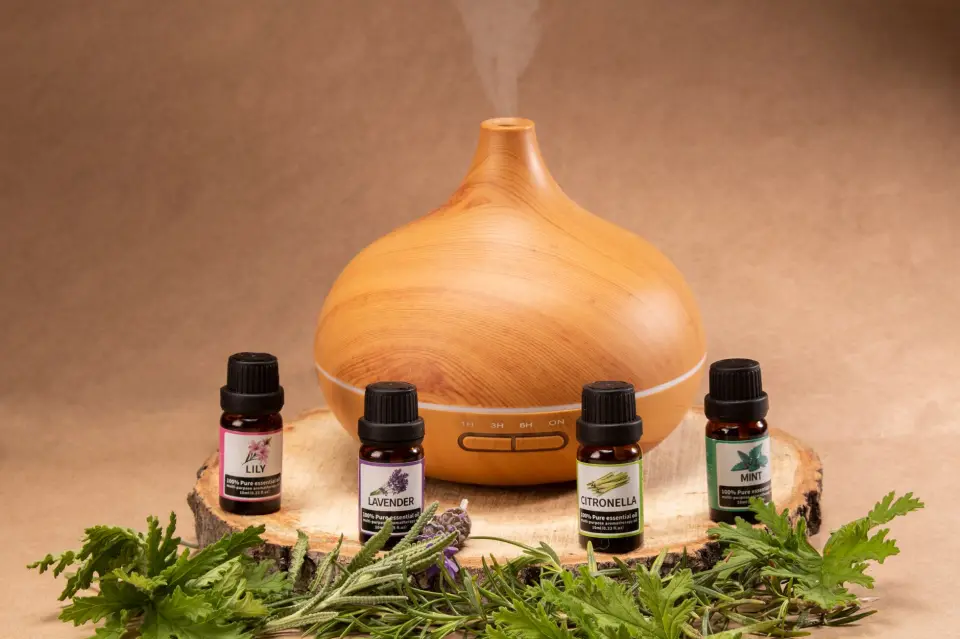
One of the most surprising and pleasant added benefits of this water sanitization method is its incredible ability to manage and neutralize household odors completely naturally. Commercial spray air fresheners, low-quality scented candles, or plug-in diffusers do not really eliminate bad odors; their only function is to mask them, aggressively saturating our olfactory receptors with heavy and artificial chemical fragrances. These synthetic substances, ironically, can trigger strong headaches, dizziness, or even provoke asthma attacks in people with high chemical sensitivity.
By using an advanced aquatic filtration system, we are attacking the olfactory problem exactly from its physical root. Pungent fried food odors, stale tobacco smoke impregnated in curtains, the musty smell of rainy days, or the characteristic and strong scent of a wet dog after a walk are, in reality, microscopic particles of matter floating freely in the room. By trapping these smelly particles in the tank's liquid swirl, the odor completely disappears from the environment. It is not temporarily camouflaged under a layer of cheap perfume, but physically eliminated from the room forever.
To elevate this cleaning experience to a higher level and turn your home into a real spa, you can incorporate botanical aromatherapy completely safely. By adding a few drops of pure and natural essential oils (such as eucalyptus radiata, wild lavender, cold-pressed lemon, or powerful tea tree) directly into the tank's water before starting the purification cycle, the device will distribute a subtle, clean, and therapeutic fragrance throughout the house via its washed airflow. Eucalyptus essential oil, for example, is an excellent and highly recommended option to help clear the whole family's airways during the cold winter months, while a few drops of lavender in the bedroom during the nighttime air washing set the perfect stage for deep and uninterrupted rest.
Daily Habits and Basic Care for Optimal Performance
To keep this system's purifying magic always working at the highest level of efficiency, only a minimal commitment from the user is required. It is an infinitely more bearable, hygienic, and faster maintenance than the care demanded by conventional appliances full of paper filters and dirty sponges. The golden rule of this system, and practically the only strict obligation you must engrave in your memory, is never to leave dirty water stagnant in the tank once the cleaning or purification task is finished.
When you finish purifying the living room air or cleaning the mattresses, immediately remove the container from the base of the delphin t8, carefully pour the muddy, dark content directly down the toilet, and flush. Next, rinse the container under the tap with a little clean water. You can lightly dry the inside with a microfiber cloth or simply let it air dry in a ventilated place. This simple and quick gesture, which won't take you more than a minute on the clock, resolutely ensures that bacteria, aquatic fungi, and musty odors do not proliferate inside your valuable equipment, guaranteeing that in the next use, the environmental result will be as spectacular and fresh as the first day you took it out of the box.
Similarly, we must not forget to periodically check the key piece of the system: the aerodynamic separator turbine. A light brushing of its slots under the running water of the sink, using the small brush provided, will remove any sticky dirt residue or damp fluff that may have adhered during the most intense cleaning sessions. Keeping this piece free of obstructions ensures its high-revolution spinning capacity and its air-water separation efficiency in perfect mechanical condition. By integrating these very small and simple maintenance habits into your weekly routine, you ensure you have a tireless technological ally in the active protection of your family's respiratory health for decades, ensuring your home is always the pure, safe, and comforting refuge you all deserve to enjoy.
Frequently Asked Questions
How long should I leave the device purifying the air in a room?
For a standard-sized room (about 15 to 20 square meters), leaving the system running for 15 to 20 minutes at medium speed is sufficient. It is important to keep doors and windows closed during this process to ensure that the entire volume of air in the room passes through the water filter and is completely renewed.
Can I use any type of air freshener or essential oil to scent my house?
It is highly recommended to use only pure essential oils or 100% natural extracts free of heavy oil bases, alcohols, or chemical detergents. By adding just a few drops directly to the tank water before turning on the machine, you will achieve a fresh and therapeutic aroma without damaging the device's components or irritating the airways.
Does this system really eliminate strong odors from tobacco, food, or pets?
Absolutely. Unlike conventional air fresheners that only temporarily mask the bad smell, water filtration physically traps the microscopic particles causing that odor (smoke, volatilized grease, animal dander). By getting trapped in the liquid and being disposed of down the drain, the odor is definitively eliminated from the environment.
What maintenance does this system require compared to a traditional filter one?
Maintenance is much simpler, more hygienic, and more economical. The only indispensable task is to empty the dirty water down the toilet immediately after each use, rinse the container under the tap, and occasionally clean the separator turbine with a soft brush. Forget forever about buying, shaking out, or washing paper filters and cloth bags.
Is the environmental washing process noisy if I leave it running in the living room?
During the specific air purification function, you can adjust the motor speed to the minimum. In this low-consumption mode, the device emits a soft, constant, and aerodynamic sound, very similar to the white noise of a quality fan. It is not annoying for conversing or watching television, and can even be relaxing at bedtime.