Why the Delphin Vacuum Cleaner Revolutionizes Cleaning in Homes with Pets
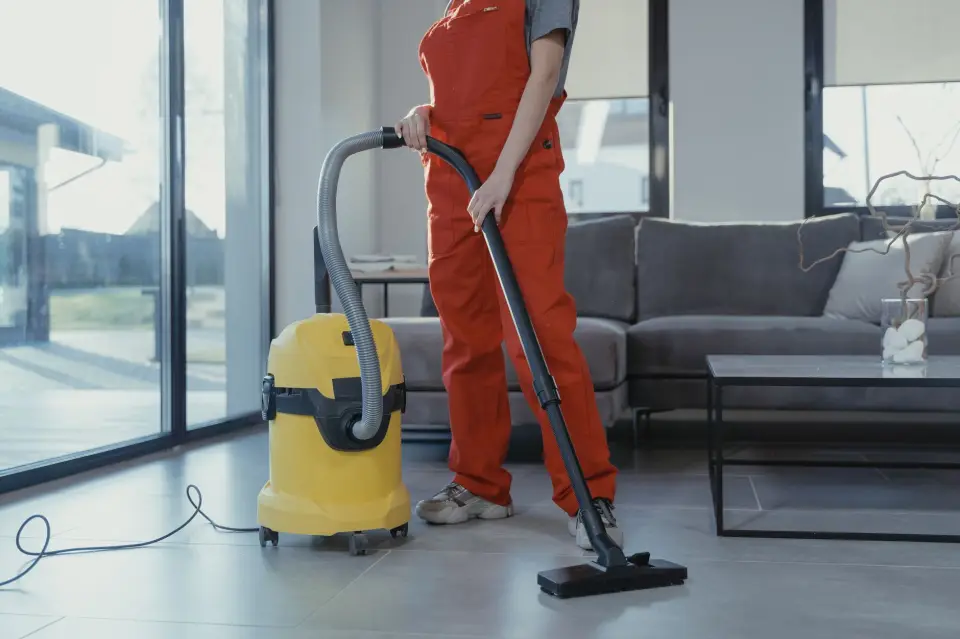
Sharing our lives with pets brings immense joy, reduces stress, and fills our routines with unforgettable moments. However, anyone who lives with dogs or cats knows firsthand the constant battle of keeping the house free of hair, dirt, food scraps, and that characteristic odor that seems to permeate textiles. Traditional cleaning tools often fall short, moving dust from one place to another or losing effectiveness after a few weeks of use. This is where cutting-edge technology marks a turning point. Using equipment designed with different physical principles, such as the Delphin Vacuum Cleaner, completely transforms the dynamics of home hygiene.
The main problem with conventional methods lies in their dependence on bags and paper or cloth filters. These materials, by their very porous nature, end up clogging quickly when faced with the dense layer of hair and dander generated by our four-legged friends. As the pores become blocked, the machine loses suction power, the motor heats up, and, worst of all, the microscopic particles that cause allergies are expelled back into the environment. We need a radically different approach to tackle deep cleaning, one that does not rely on physical barriers that inevitably fail.
Throughout this article, we will thoroughly analyze how water filtration and precision engineering offer a definitive answer to the most demanding cleaning challenges. From purifying the air we breathe to eradicating embedded hair in the living room sofa, we will break down the technical and practical reasons that make this type of system the smartest investment for those who want to enjoy their pets without giving up an impeccable environment.
The constant challenge of maintaining hygiene when living with pets
The biology of our pets dictates that shedding is a continuous process, accentuated during the seasonal changes in spring and autumn. Dogs and cats renew their coats to adapt to temperature variations, leaving in their wake a trail of hair that accumulates in corners, under furniture, and, very persistently, on carpets and upholstery. This visible hair is just the tip of the iceberg. Along with it, animals constantly shed dead skin cells, known as dander, which are the main vehicle for allergenic proteins.
Proteins like Fel d 1 in cats or Can f 1 in dogs are microscopic, extremely light, and have a sticky structure that allows them to adhere to any surface or float in the air for hours at the slightest draft. When we use a traditional broom or a vacuum cleaner with a poor filtering system, all we achieve is agitating these particles, lifting them off the floor and suspending them in the air our family breathes. This causes sneezing, itchy eyes, and general discomfort, even in people who do not consider themselves clinically allergic.
In addition to hair and dander, pets bring elements from the outside. Dirt, pollen, mold spores, and bacteria cling to their paws and fur during walks or trips to the garden, transferring directly to the floors and beds of our home. Eliminating this biological load requires a tool capable of trapping dirt irreversibly. If the machine we use has leaks in its casing or its filters do not seal perfectly, the cleaning effort is useless, generating a constant feeling of frustration when seeing dust settle back on the furniture a few hours after cleaning.
True cleaning is not just about picking up what the human eye can see, but about capturing and neutralizing those microscopic particles that compromise the quality of our environment.
How water filtration transforms indoor air quality

The basic principle that differentiates high-end systems from budget options on the market is the use of water as the primary and only filter. Nature offers us the best example of this mechanism: after a heavy storm, the air outside feels fresh, clean, and dust-free. This happens because raindrops trap suspended particles and drag them to the ground. A water filter cleaning system replicates this exact meteorological phenomenon within the walls of our home.
When turning on the equipment, the air loaded with dirt, hair, dust mites, and dander is sucked in at high speed and directed straight into a tank filled with tap water. Through a molecular separator spinning at thousands of revolutions per minute, a whirlpool is created that forces every particle, no matter how tiny, to collide with the water. Wet dust cannot fly. It remains permanently trapped in the liquid, preventing any possibility of it returning to the room's environment.
Direct benefits for respiratory health
For families with sensitive or asthmatic members, this mechanism provides immediate relief. By dispensing with traditional HEPA filters, which over time become breeding grounds for bacteria and fungi if not changed frequently, the risk of cross-contamination is eliminated. The air expelled by the device has been literally washed, coming out purified and fresh.
This air-washing function allows the machine to be used not only as a tool to clean the floor but as a standalone room purifier. Leaving the equipment running at low speed in the center of the living room for twenty minutes is enough to renew the air in the entire room, trapping the suspended dust floating in the light rays and drastically reducing the allergenic load of the home. It is a preventive strategy that minimizes the amount of dirt that settles on surfaces.
Sustained power: the secret to eradicating embedded hair in upholstery

Anyone who has tried to remove wiry dog hair from car seats or a fabric sofa knows that suction alone is rarely enough. The hairs intertwine with the fabric fibers, creating a mechanical and electrostatic bond that defies most appliances. To break this bond, an exceptionally strong combination of suction and a mechanical action that agitates the surface is required.
The major problem with bagged appliances is the loss of power. As the bag fills with bulky hair, the airflow chokes. You might start cleaning with 100% suction capacity, but after ten minutes, that capacity may have dropped by half. By using a water tank, the airflow remains completely free of obstructions from the first second until you decide to turn off the motor. This constant power is crucial for extracting deep-seated dirt, the sand that damages carpet fibers, and the dust mites that nest inside mattresses.
To maximize this sustained power, advanced systems incorporate motorized accessories, often called power nozzles or electric brushes. These attachments feature an independent rotating roller that gently taps the surface and combs the fibers, lifting the embedded hair so the continuous airflow can sweep it into the water. The effectiveness of this combination is astonishing, achieving in a single pass what previously required multiple attempts and great physical effort.
- Mattress cleaning: Extracts dead skin and dust mites that accumulate over time, improving sleep hygiene.
- Shag carpets: Opens the fibers without damaging them, bringing to light the dirt hiding at the base of the fabric.
- Sofas and armchairs: Eliminates the natural layer of oil that pets leave on textiles when rubbing against them, preventing premature wear.
Goodbye to bad odors: environmental purification with no added chemicals

Pet odor is one of the most common concerns among animal owners. Often, we get used to the scent of our own home and lose the ability to perceive it, a phenomenon known as olfactory blindness. However, guests immediately notice if a dog lives in the house or if the cat's litter box needs attention. The usual reaction to this problem is to resort to spray air fresheners, scented candles, or electric diffusers.
Using these commercial products is counterproductive. Instead of eliminating the source of the bad odor, they simply mask it by releasing volatile organic compounds (VOCs) and heavy synthetic fragrances that mix with the animal's scent, creating a stuffy and potentially irritating environment for the sensitive respiratory systems of our own pets. Dogs and cats have an immensely superior sense of smell compared to ours, and subjecting them to a constant shower of artificial chemicals can cause them stress and health problems.
The real solution involves the physical neutralization of the odor-causing molecules, and again, water presents itself as the perfect ally. The bacteria and microscopic particles that generate the wet dog or musty smell are absorbed by the equipment's water whirlpool. By getting trapped in the liquid, the odor disappears from the environment permanently. You are not covering up one scent with another; you are eliminating the source of the problem from its roots.
For those who enjoy a scented home, this method offers a completely natural alternative. By adding a few drops of pure essential oils, such as lavender, eucalyptus, or lemon, directly to the water tank, the equipment distributes a subtle and therapeutic fragrance throughout the house while you clean. It is safe aromatherapy, free of toxins, and leaves a feeling of deep and lasting cleanliness that no aerosol can can match.
Long-term investment: durability and savings by dispensing with replacement filters

When evaluating the purchase of an appliance, it is essential to look beyond the price tag and calculate the true cost of ownership over the years. Conventional appliances hide a business model based on consumables. Throughout the lifespan of a standard machine, the user will spend hundreds of dollars on boxes of bags, foam pre-filters, and expensive HEPA exhaust filters. If we add up these recurring expenses, the initial cost multiplies rapidly.
Opting for a water-based hygiene system eliminates this entire chain of hidden expenses in one fell swoop. The only consumable the machine requires is tap water, an inexpensive and always available resource. At the end of the cleaning task, the dirty water, turned into dark sludge full of hair and dust, is emptied directly down the toilet. The tank is rinsed in a couple of minutes and the equipment is as good as new, ready for the next session with one hundred percent efficiency. There are no filters to shake out into the trash, avoiding the unpleasant cloud of dust that usually accompanies this process.
To this, we must add the build quality. Equipment that uses molecular separation and high-efficiency motors is usually manufactured with industrial-grade materials, designed to withstand decades of intensive use. While a cheap plastic appliance may need replacing every two or three years due to breakage or irreparable loss of suction, a high-end water filtration system becomes an inheritable tool. This durability not only protects the family economy in the long term but also represents a brilliant ecological choice by drastically reducing the amount of electronic waste and plastic debris we generate.
Practical tips to maximize cleaning in your home with domestic pets
Having the right tool is the first step, but combining it with a smart routine multiplies the results and reduces the time we invest in household chores. The first golden rule is to act on the source. Brushing our pets regularly, preferably outdoors or in an easy-to-clean area, traps dead hair before it has a chance to fall to the floor and spread throughout the house. Many advanced systems include specific accessories to brush the animal while the equipment gently suctions the hair directly from the coat, an experience that many dogs get used to and come to enjoy as if it were a massage.
The cleaning frequency should adapt to the lifestyle and the number of animals. Instead of an exhausting multi-hour cleaning session on the weekend, it is much more effective to do quick ten-minute passes in high-traffic areas, such as the hallway, the entryway, or the living room rug, about two or three times a week. Since the equipment is always ready and does not lose suction, these small interventions keep the dirt level under constant control, preventing hair from accumulating and becoming deeply embedded.
Pay special attention to the animals' resting areas. Dog beds and cat scratching posts are true magnets for dirt and odors. Use the crevice tools to reach the seams and folds of the beds, and the upholstery brush to clean flat surfaces. If the bed has a removable cover, vacuum the inside first before putting the cover in the washing machine; this will prevent the hairs from clogging the washing machine filter and drains.
Finally, take advantage of the air purification function strategically. If you are expecting guests and want to ensure your house offers an unbeatable impression, fill the tank with cold water, add a few drops of pine or citrus essential oil, and leave the machine running at low power in the hallway or living room half an hour before the guests arrive. The environment will feel extraordinarily light, clean, and welcoming, proving that it is perfectly possible to enjoy the unconditional love of our pets while maintaining a home worthy of a design magazine.
Frequently Asked Questions
Is it complicated to clean the water tank after vacuuming dog hair?
Not at all. The process is very fast and much more hygienic than emptying a dry dust bin. You just have to remove the container, pour the dirty water (which will have formed a mass with the hair and dust) down the toilet or drain, rinse the receptacle under the tap, and let it dry. There are no dust clouds or direct contact with dirt.
Can the moisture from the water damage wood or parquet floors?
No, because the system does not expel water outside. The water is used exclusively inside the tank as a mechanism to trap dirt and filter the air. The air that comes out of the machine is clean, fresh air, but it does not wet or dampen the surfaces you are vacuuming.
What long-term maintenance does a molecular separation system require?
Maintenance is minimal compared to traditional systems. The main key is to empty and rinse the water tank after each use to prevent bad odors. In addition, it is advisable to clean the molecular separator (the part that creates the whirlpool) from time to time with a small brush to ensure it spins without restrictions.
Is this system effective for people with severe cat allergies?
Yes, it is highly effective. Cat allergies are usually caused by the Fel d 1 protein, present in the animal's dander and saliva. Because they are such fine particles, porous filters let them escape. The water filter, on the other hand, traps these microscopic particles irreversibly, drastically reducing the allergenic load in the home's environment.
Does it also work to clean spilled liquids or pet accidents?
Many of these devices are designed to vacuum liquids without any problem, since the dirt ends up in a tank that already contains water. This is ideal for picking up urine, vomit, or overturned water bowls quickly and cleanly, vacuuming the liquid and washing the area at the same time.