Ultimate Guide: How to Get the Most Out of Your Water Filtration Cleaning System

Maintaining a truly clean home free of irritating elements is a constant challenge, especially when we live with pets or when a family member has sensitive airways. We often spend hours cleaning surfaces, shaking out rugs, and mopping floors, only to see a fine layer of dust settle back onto the furniture a few hours later. This frustration stems from a fundamental problem with traditional cleaning methods: they pick up visible dirt but return to the environment the microscopic particles they fail to retain.
If you are lucky enough to have a delphin t8 at home, you will have already noticed that the cleaning dynamics change completely. This equipment is not limited to picking up crumbs from the floor; it transforms the quality of the air you breathe. By using water as the main filter, the need for porous bags and paper filters that end up saturating and losing efficiency over time is eliminated. The principle is simple but incredibly effective: wet dust does not fly, and everything that enters the water tank stays trapped there forever.
To make the most of this technology and ensure your home is a safe haven from allergens, it is essential to know the proper handling techniques. From the initial preparation to the maintenance routines, every step influences the final result. Throughout this guide, we will explore practical methods and proven strategies so that every cleaning session is efficient, fast, and leaves your house with that unmistakable scent of fresh, washed air.
The science behind trapping dirt in a liquid element
To understand how to optimize your routines, we must first look at what happens inside the water tank. When you vacuum carpets or floors, the motor generates a constant airflow that sweeps away everything from the heaviest dirt to the finest particles. In conventional systems, this dust-filled air crashes against a dry filter. The pores of that filter must be small enough to trap the dust, but large enough to let the air out. Within minutes, those pores clog, suction drops drastically, and the motor suffers from overexertion.
By using water, this problem disappears completely. The airflow enters directly into the liquid at high speed, creating a whirlpool where every particle of dust, pet dander, or pollen is instantly soaked. Once the dirt gets wet, it gains weight and finds it physically impossible to float back up and escape through the vents. This means the air coming out of the device is washed, fresh, and free of the irritants that usually trigger sneezing or itchy eyes in sensitive people.
Furthermore, this liquid filtration dynamic ensures that suction power remains at one hundred percent from the first minute to the last. It does not matter if you are cleaning a small room or doing a general cleaning of the entire house; the force with which the equipment extracts dirt from surfaces will not decrease. This consistency is what allows for real deep cleaning, extracting embedded dirt that has been trapped under your carpet fibers for months.
Optimal preparation: The ritual before starting to clean

The first step to a successful session begins at the tap. Filling the tank correctly is vital for the proper functioning of the system. You must use cold or room-temperature water, never hot, and make sure to respect the level marks indicated on the container. A water level that is too low will not trap dirt efficiently, while an excessively high level could cause internal splashing that affects the motor's performance. The exact measurement ensures the perfect balance to create the purifying whirlpool.
This is also the ideal time to customize the olfactory experience of your home. Adding a few drops of natural essential oils to the water transforms a routine household chore into an aromatherapy session. Scents like eucalyptus or peppermint are wonderful for opening the airways and giving a feeling of freshness, while lavender is perfect if you are going to clean the bedrooms in the afternoon, as its aroma promotes relaxation and prepares the environment for a night's rest.
Once the tank is prepared, the choice of accessories will determine the effectiveness of your work. Not all surfaces require the same treatment. Use the soft bristle brushes for wooden floors or tiles, ensuring that the dust is swept and vacuumed simultaneously without scratching delicate finishes. For corners, baseboards, and window tracks, the narrow nozzles concentrate the suction power, extracting lint and dirt debris from places where traditional brooms simply cannot reach.
Advanced techniques for homes with pets

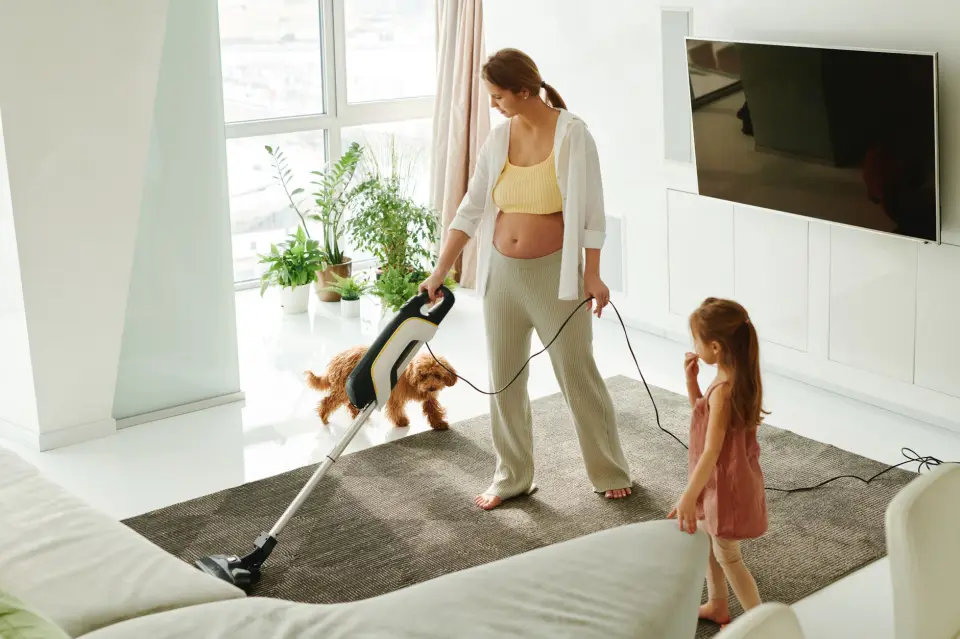
Those who share their lives with dogs or cats know that keeping the house free of hair and odors is a daily job. The problem is not just the visible hair that accumulates in the corners, but the animal dander. These tiny skin flakes are highly allergenic and have a habit of floating in the air and settling on all surfaces. To combat this, the use of motorized brushes or beaters is absolutely necessary. These tools not only vacuum but also comb and vibrate over textile surfaces, pulling out the hairs intertwined in the fabrics.
When cleaning the areas where your pets spend the most time, such as their beds or the main sofa, make slow, overlapping passes. Haste is the biggest enemy of deep cleaning. By moving the head slowly, you give time for the mechanical vibration to loosen the dirt and for the airflow to transport it to the water tank. You will be surprised by the dark color the water takes on after cleaning your pet's bed, irrefutable visual proof of everything the system is removing from your environment.
For odor control, water acts as an unsurpassed natural neutralizer. Animal odors are often linked to bacteria and organic particles that get trapped in upholstery. By extracting these particles and retaining them in the liquid medium, the odor disappears at its root instead of simply being masked with chemical air fresheners. If you notice that your pet's area has a particularly strong odor, you can add a few drops of lemon or tea tree essence to the tank, known for their purifying properties.
Sanitizing mattresses and upholstery for restful sleep
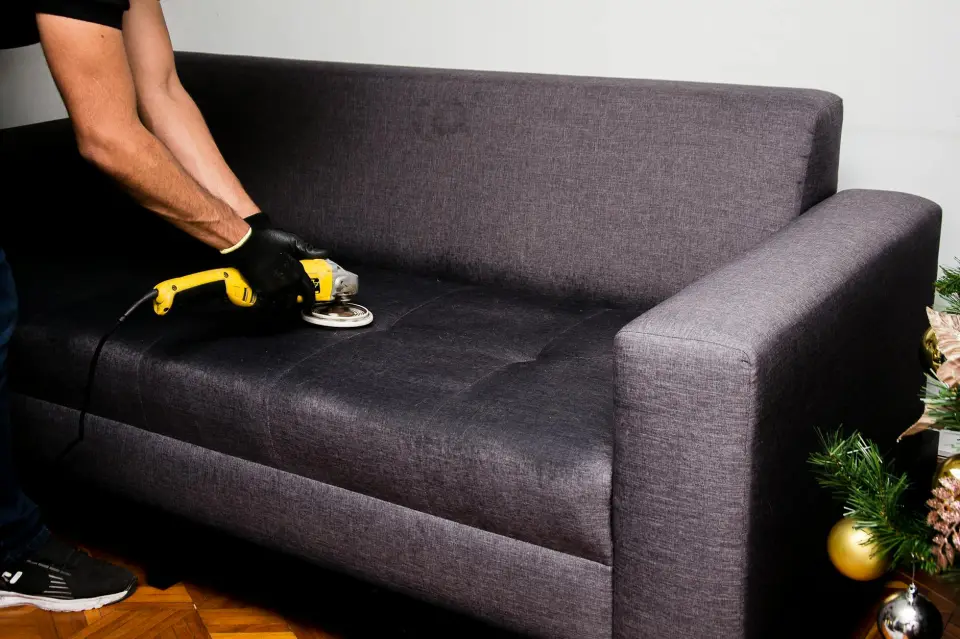
We spend a third of our lives in bed, yet the mattress is often the great forgotten item in home cleaning routines. Over time, mattresses accumulate an astonishing amount of dead skin cells, sweat, and, as a direct consequence, millions of dust mites. These microorganisms and their waste are the main cause of nocturnal asthma, morning nasal congestion, and various skin reactions. Thoroughly cleaning the mattress is not a luxury; it is a necessity for family hygiene.
To sanitize your bed, remove all bedding and use the accessory designed for deep upholstery cleaning. Start at one corner of the mattress and move in straight lines, making sure to cover every square inch. Pay special attention to the seams and edges, as these are the dust mites' favorite hiding places. The constant suction power will extract the fine, ash-like dust hiding beneath the fabric's surface. Seeing this grayish sediment in the water tank for the first time is usually an eye-opening experience for most users.
Nighttime rest improves significantly when we eliminate the allergenic load from our immediate environment. A clean mattress means clear airways and deeper, uninterrupted sleep.
It is recommended to perform this deep sanitization of mattresses at least once a month, or more frequently during changes of season, when allergies tend to flare up. Do not forget to apply the same method to pillows, living room sofas, and large cushions. By keeping these textile elements free of deep-seated dust, you will drastically reduce the amount of suspended particles throughout the house, creating a much safer and more comfortable environment for everyone.
Air washing function: Breathing pure freshness in the living room

One of the most fascinating features of this type of technology is that it works as much more than just a tool for cleaning floors. The smart design of the delphin t8 allows it to be used as a standalone ambient purifier. This function, known as "air washing," involves leaving the machine running in the center of a room without any hose attached. During this process, the equipment absorbs the stale air from the room, passes it through the water whirlpool, and expels it completely clean and renewed.
This technique is extraordinarily useful in various everyday situations. For example, after cooking strong-smelling foods like fish or fried meals, leaving the equipment running for fifteen or twenty minutes in the kitchen or dining room will naturally eliminate odors from the environment. Similarly, if you have guests at home and the air feels stuffy, a quick air wash will restore the feeling of freshness and spaciousness to the room, even eliminating tobacco smoke if that were the case.
In addition to cleaning, this process brings a subtle and beneficial humidity to the environment. During the winter months, when heating dries out the air in our homes, irritating throats and drying out skin, the air coming out of the water system helps to balance the ambient humidity. It is a gentle and natural way to climate-control your home, ensuring that every breath is comforting and healthy, which is especially beneficial for young children or the elderly.
Simple maintenance to prolong the lifespan of your system
Post-cleaning care is as vital as the cleaning itself. The golden rule, unbreakable and absolute, is that you must never leave dirty water inside the tank once you have finished using the machine. That water is full of organic matter, dust, bacteria, and dust mites. If left stagnant, it will quickly begin to decompose, generating bad odors and dirtying the internal components of the equipment. Empty the container into the toilet or drain immediately after turning off the motor.
Once emptied, rinse the tank under the tap to remove any mud or sand debris that may have stuck to the walls. Next, pay attention to the heart of the system: the dynamic separator. This part, which spins at high revolutions to separate water from air, must be kept clean to avoid vibrations and ensure optimal performance. Remove it carefully, clean it with a soft brush under running water, and make sure the slots are completely clear of lint or hair.
Correct storage is the final step to ensure your equipment stays with you for many years. Never store the machine with the motor placed on top of the wet tank. The interior needs ventilation to dry completely and prevent mold growth or musty odors. Leave the tank open in a ventilated area and store the motor block to the side. With these simple maintenance routines, which will barely take you two minutes, you will ensure that your system is always in perfect condition, ready to protect your family's health and hygiene in the next session.
Frequently Asked Questions
Can I leave dirty water in the tank for the next day if I haven't finished cleaning?
It is not recommended under any circumstances. Dirty water contains organic matter, dust mites, and bacteria that, when left stagnant, will quickly begin to decompose. This will generate persistent bad odors and could affect the internal components of the equipment. Always empty and rinse the tank after each use.
What type of aromatic essences are safe to add to the water?
You should only use natural, oil-based essences that do not generate foam. Avoid any traditional chemical cleaning products, detergents, or soaps, as excessive foam can reach the motor and damage the system. A few drops of pure essential oil are enough to scent the whole house.
How often should I clean the dynamic separator?
The dynamic separator should be cleaned after every prolonged use or at least once a week if use is sporadic. Keeping its slots free of lint and dirt is essential for optimal airflow and to prevent the motor from suffering imbalances or unnecessary vibrations.
Is it possible to use the equipment to pick up spilled liquids on the floor?
Yes, the system is designed to handle liquids, which makes it very useful for household accidents. However, you must ensure that the total liquid level inside the tank does not exceed the maximum fill mark at any time to prevent water from reaching the motor area.
Why does the water sometimes get very foamy while I am cleaning the carpets?
The appearance of foam is usually due to residues of detergents or carpet shampoos that were applied in the past and remained embedded in the fibers. As the equipment passes over, the deep suction extracts those chemical residues. If you notice a lot of foam, change the water immediately to protect the motor.