History of the Delphin Vacuum Cleaner: German Innovation for a Healthy Home

When we think about keeping our home dust-free, our minds usually go straight to the traditional methods we have seen all our lives. However, the true revolution in domestic environment care was not born from adding more layers of fabric or paper to a motor, but from carefully observing how nature itself cleans the environment after an intense storm. Thus begins the journey of one of the most significant innovations for respiratory well-being, which today we know in its maximum expression with the delphin t8, conceived with the precision, rigor, and unmistakable reliability of German engineering.
The development of these advanced devices arose from a shared frustration among thousands of families around the world: cleaning the floor often meant dirtying the air in the room. The finest particles, mite fragments, and microscopic allergens almost always found an escape route through the dilated pores of conventional bags, remaining suspended for hours in the air we breathe. A radical paradigm shift was needed, a definitive solution that not only collected visible dirt from carpets but permanently and safely transformed indoor air quality.
That relentless pursuit of technical excellence led a group of visionaries to create a system that uses water as the primary and absolute filter, radically eliminating the dependence on disposable and unhygienic replacements. Over the decades, this original idea has matured, overcoming countless technical challenges, to become a global benchmark for those seeking a truly hygienic environment. Join us as we explore the fundamental milestones, mechanical challenges, and brilliant solutions that have forged this successful trajectory from its first sketches in German laboratories to the living rooms of homes worldwide.
The Beginnings in Germany: The Urgent Need to Breathe Pure Air
At the end of the last century, the home appliance industry was almost exclusively focused on raw suction power. Major manufacturers competed fiercely to see who could incorporate the strongest motor, almost completely ignoring what happened to the air expelled from the back of the devices. In the German region of Swabia, historically known as the cradle of great inventors, technology companies, and brilliant engineering minds, a group of entrepreneurs decided to tackle this problem from a completely different perspective, prioritizing people's respiratory health over simple pulling force.
The main motivation of this pioneering team was clear and deeply human: to offer a real and effective alternative to people suffering from asthma, rhinitis, and severe allergies. The engineers knew perfectly well that dry retention systems, no matter how advanced their synthetic fiber networks were, inevitably ended up saturated. When the pores became saturated, performance plummeted, the motor suffered overheating, and worst of all, the device became a dark and warm breeding ground for the proliferation of bacteria, fungi, and bad odors. The solution had to be dynamic, capable of trapping dirt irreversibly and without losing an ounce of effectiveness as the minutes of use passed.
"The goal was never to create a machine that simply collected dirt from the floor, but to design a comprehensive system that restored to families the fundamental right to breathe pure air in their own home."
Inspired by the purifying and refreshing effect of rain on nature, they began experimenting with high-speed turbines and water tanks. The premise was simple in theory but incredibly complex in its mechanical execution: forcing the entire flow of contaminated household air to collide head-on with a moving liquid mass. Early laboratory tests quickly demonstrated that water trapped heavy dust and lint with great ease. However, microparticles, those that truly penetrate and affect the lungs of sensitive children and adults, required a level of fluid engineering that did not yet exist in the domestic market.
The development of the Delphin Vacuum Cleaner Revolutionizes Cleaning in Homes with Pets">Delphin Vacuum Cleaner: Honest Review, Price, and If It Is Really Worth It">Delphin Vacuum Cleaner: Features of the Ultimate System for Allergy Sufferers">L-Lamella technology: An unprecedented qualitative leap
The great physical obstacle faced by the German developers was non-wettable fine dust. Some microscopic particles, due to their composition or surface tension, have the amazing ability to create a tiny air bubble around themselves when they come into sudden contact with water. This bubble acts as a protective shield, allowing them to bounce off the liquid surface and escape back outside, propelled by the airflow. To solve this very particular physical phenomenon, the creators designed a masterpiece that would forever change the standard of domestic purification: the lamella separator.
This exclusive component, which spins at thousands of revolutions per minute in the heart of the machine, acts as an impenetrable barrier against dust. Its meticulously calculated aerodynamic design generates a constant and violent whirlwind inside the tank, forcing those rebellious particles to collide repeatedly and mix intimately with the liquid until they lose their protective buoyancy and are trapped forever in the mud. The invention and subsequent patenting of the L-Lamella technology marked a before and after in the industry, as it empirically guaranteed that the expelled air was washed to a percentage close to absolute perfection.
The most fascinating and innovative aspect of this technical advancement is that it eliminated in one fell swoop the need to use additional paper HEPA filters at the motor exhaust. While other brands vainly tried to combine water with cellulose cartridges to compensate for the severe deficiencies of their static separators, German engineering achieved a completely autonomous and self-sufficient design. For families, this immediately translated into massive long-term economic savings and the immense peace of mind of knowing that their cleaning equipment would never lose suction capacity, regardless of how much dust, dirt, or pet hair it had collected during the session.
Design Evolution: From Industrial Prototypes to Current Elegance

The first models that rolled off the assembly lines in Germany were robust, extremely durable, and extraordinarily effective devices, but they also reflected the logical aesthetic and ergonomic limitations of their time. They were heavy machines, built to last a lifetime and withstand the most demanding treatment, with thick impact-resistant casings and industrial-grade motors barely adapted for domestic use. However, the creators were aware that for families to integrate this healthy purification routine into their daily lives, the device had to evolve to be much easier to handle, lightweight, and visually harmonious with modern interiors.
With each new generation that came to light, significant improvements were applied based strictly on direct feedback from everyday users. Internal materials were lightened using high-strength, aeronautical-grade polymers, lower chassis were redesigned to facilitate smooth movement over any type of surface (from thick carpets to delicate parquets), and motor acoustics were fully optimized to make the cleaning process much quieter and more pleasant. The primary goal was that washing the air in the living room or deeply cleaning mattresses would not be an exhausting physical effort, but a fluid, fast, and intuitive task for any family member.
All this immense background of decades of continuous refinement, stress testing, and meticulous redesign culminated brilliantly. Today, the equipment represents the perfect balance between the raw power needed to extract the most deeply embedded mites and a wonderfully compact design that fits seamlessly into any modern closet. Its state-of-the-art brushless motor drastically reduces energy consumption while maximizing aerodynamic performance, irrefutably proving that the most cutting-edge technological evolution can go perfectly hand in hand with energy efficiency and absolute respect for the environment.
The Transformative Impact on Homes with Pets and Respiratory Sensitivity
As this innovative system became popular throughout Central Europe, its real impact began to be measured not in cold sales figures or market shares, but in emotional testimonies of health and well-being. Families with asthmatic or allergic members noticed drastic and positive changes in their quality of life within a few weeks of continuous use. By effectively eliminating the suspended dust load and regularly purifying the environment, the dreaded nighttime coughing fits, itchy eyes, and morning congestion were notably reduced. The device quickly ceased to be seen as a simple appliance to become a true therapeutic ally within the home.
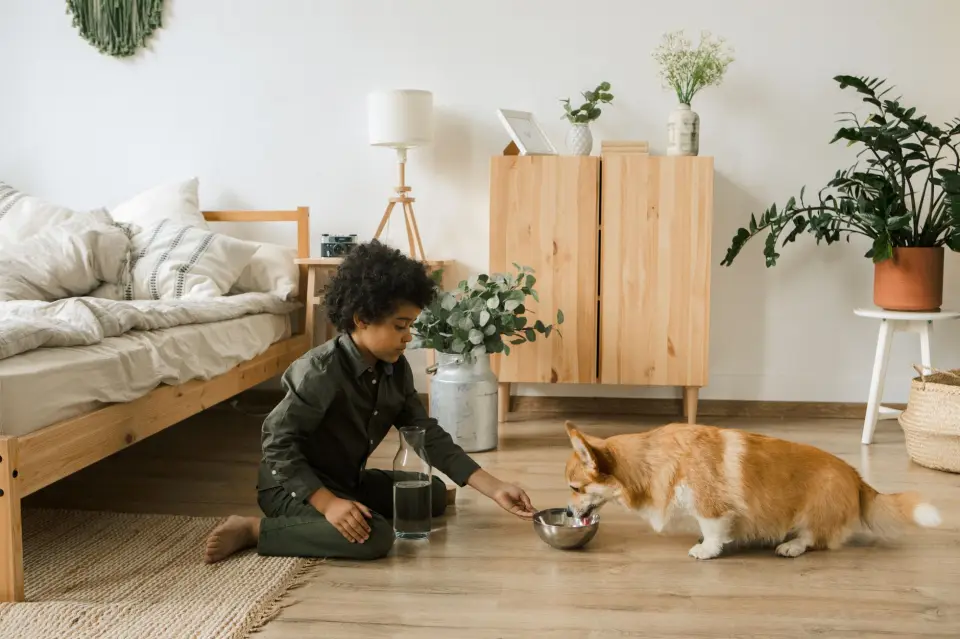
For owners of dogs, cats, and other indoor pets, the discovery was equally revealing and liberating. Animal dander, skin flakes, and hair often become strongly trapped in carpet fibers and sofa upholstery, generating a characteristic and persistent odor that traditional cloth bags only manage to worsen as they heat up with the motor's air. By exclusively using water as a natural retaining agent, bad odors disappear instantly the moment the dirt touches the liquid. The benefits in this regard are multiple and highly valued:
- Radical odor elimination: Water traps and neutralizes the volatile molecules causing bad odors, preventing them from recirculating through the rooms.
- Drastic reduction of allergens: Mites, their biological remains, and pet dander are irreversibly submerged, with no possibility of returning to the air.
- Integrated and natural aromatherapy: The possibility of adding a few drops of pure essential oils to the tank allows you to subtly aromatize and disinfect the entire house while performing regular maintenance.
This enormous versatility has completely transformed the traditional conception of domestic care. It is no longer about waiting for the weekend to perform the tedious task of removing visible dirt from the floor. Many users have adopted the healthy habit of turning on their equipment at low speed for about fifteen minutes a day, simply to renew the living room atmosphere after receiving guests or to clean the bedroom air before sleeping. It is a deep environmental washing function that perfectly imitates the fresh outdoor breeze, creating a safe, clean, and highly oxygenated refuge for those who suffer daily from the consequences of urban pollution or seasonal pollen.
Expansion Across Europe and the Consolidation of Close Service in Spain
The resounding success and overwhelming effectiveness of this German technology could not remain forever confined within its original borders. The growing demand for truly effective and hygienic cleaning solutions drove a highly careful, planned, and sustained international expansion. Unlike large multinational corporations that sell their products in boxes stacked in the aisles of large superstores without offering any personalized advice, the creators of this system decided to keep intact a distribution model based on direct demonstration, transparency, and close human interaction.
This unwavering philosophy of personalized attention is precisely what allowed the consolidation and resounding success of the system in our country. Through highly trained official distributors deeply committed to excellence, this transformative innovation has been brought to thousands of Spanish homes, from large cities to the most rural areas. The indisputable key to this successful implementation lies in the possibility of showing the real operation of the equipment in the customer's own environment. Seeing with one's own eyes how the transparent water darkens when cleaning a mattress that seemed impeccable at first glance is a revealing experience that no advertising campaign, no matter how brilliant, can ever match.
Furthermore, this direct and intermediary-free treatment guarantees after-sales service of exceptional quality. When purchasing a machine designed and built to easily exceed two decades of useful life, the customer needs to have absolute certainty that they have technical support to match. The immediate availability of original parts, continuous advice on new ways to take advantage of the multiple accessories, and the constant closeness of the human team in Spain ensure that this important investment in family health yields its fruits optimally from the first day of use until many years after its acquisition.
Sustainability and the Promising Future of Indoor Environmental Care
Today, global awareness of the serious ecological impact of our daily consumption decisions is greater than at any other time in history. The traditional domestic cleaning industry continues to generate millions of tons of non-biodegradable waste a year in the form of plastic bags, interleaved cardboard filters, and low-quality appliances designed under the perverse premise of planned obsolescence. Faced with the classic vacuum cleaner that loses power after a few months and ends up in a landfill, engineering based on continuous water purification stands proudly as a beacon of environmental responsibility and extreme durability.
The only real consumable required by this advanced technological system is a couple of liters of regular tap water, which is later safely disposed of down the drain, carrying with it all the biological dirt and accumulated dust. There are no single-use plastics polluting the oceans, no expensive replacements made of hard-to-recycle synthetic materials, and above all, no loss of mechanical efficiency that forces the user to buy a new appliance every five years. It is a cyclical, logical, and deeply respectful approach that drastically minimizes the home's carbon footprint while simultaneously maximizing indoor hygiene.
Looking optimistically towards the future, the engineers and creators of this technical marvel continue to tirelessly investigate new ways to make their motors even more efficient, their materials even more sustainable, and their accessories more versatile. The exciting history of this comprehensive purifier and cleaner teaches us a valuable lesson: the best and most lasting solutions to our daily problems often come from humbly observing nature and applying human ingenuity to replicate its infinite wisdom. As long as there are homes seeking to breathe cleaner air, protect their loved ones, and live in a healthier environment, the indelible legacy of this German innovation will continue to firmly set the path forward in home care.
Frequently Asked Questions
Where does the technology of water filter purifiers come from?
This innovative technology was developed and perfected over decades in Germany, specifically in the Swabia region. A group of engineers sought a definitive and healthy solution to prevent fine dust and allergens from returning to the environment during regular home cleaning.
What exactly is the L-Lamella separator and why is it so important in its history?
It is a key, patented piece that spins at thousands of revolutions per minute inside the water tank. Its main function is to forcefully mix the finest and most stubborn dust with the liquid, preventing microparticles from creating air bubbles and escaping, thus achieving an almost perfect air washing without relying on paper filters.
Why doesn't this German cleaning system use additional HEPA filters?
Thanks to the highly effective aerodynamic separator and intensive washing with water, the air comes out completely purified naturally. This completely eliminates the need to install HEPA filters at the exhaust, which end up saturating, reducing suction capacity, and accumulating dangerous bacteria over time.
How long can one of these devices last in a normal home?
They are designed under the strictest German industrial quality standards adapted for domestic use, completely avoiding planned obsolescence. With basic maintenance, such as emptying and rinsing the tank after each use, these machines are built to last for decades, functioning exactly the same as the first day.
How has the design evolved from the first industrial models to today?
The first prototypes were considerably bulkier and heavier, focused purely on retention efficiency. Over the years, engineers have managed to significantly reduce the size, lighten the materials using advanced polymers, and optimize energy consumption, resulting in compact, quiet equipment that is very easy to handle in the daily routine.