Professional-Level Carpet Cleaning: The Ultimate Guide to an Allergy-Free Home
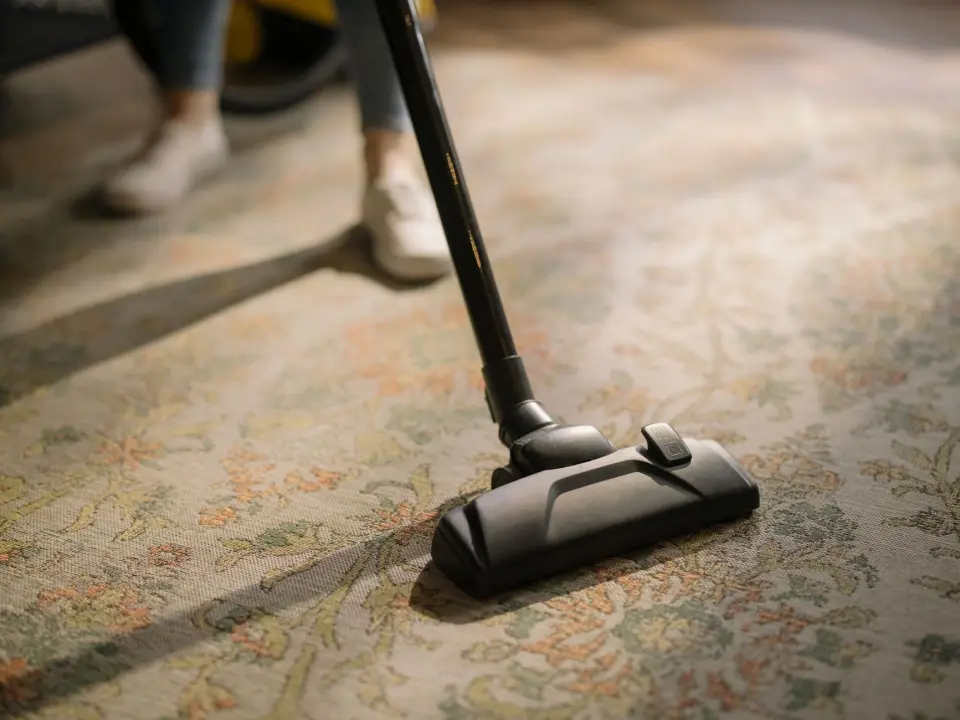
Carpets provide warmth, acoustic comfort, and an unmistakable touch of design to any living room or bedroom. However, those who live with young children, dogs, or cats know perfectly well that keeping these textiles spotless is a constant logistical challenge. The interwoven fibers act as a giant net that traps all kinds of invisible particles, from pollen and spores entering through the window to flaking skin debris. If there are household members with respiratory sensitivities, this beautiful decorative element can quickly become the source of sneezing, itching, and restless nights. Fortunately, there is a way to enjoy the softness of your rugs without compromising family well-being, raising hygiene standards to a level that completely transforms the environment you breathe.
The real dirt hiding beneath your feet
When we walk barefoot on a plush carpet at the end of the day, we rarely think about the ecosystem living among its threads. The reality is that, at a microscopic level, floor fabrics are the perfect habitat for dust mites. These tiny organisms find abundant food in the dead skin cells that humans and our pets naturally shed. In addition, the heat retained by the material creates the ideal incubation temperature for their proliferation. People with asthma or allergic rhinitis immediately notice the environmental burden when they enter a room where the floor has not received proper treatment, experiencing congestion, watery eyes, or difficulty breathing normally.
Traditional cleaning methods often offer a false sense of visual hygiene. Running a stiff-bristled brush or sweeping vigorously simply lifts the lightest particles, leaving them suspended in the air we later inhale. On the other hand, any conventional vacuum cleaner equipped with a cloth bag or paper filters faces an inevitable physical problem: as the pores of the filter become clogged with fine dust, the motor progressively loses suction power. This means that heavier dirt, such as the grit or dried mud we bring in on the soles of our shoes, sinks deeper and deeper into the base of the warp. With every step, that grit acts like crushed glass, cutting and wearing down the fibers from the inside.
For families, the impact of this invisible accumulation goes far beyond the simple aesthetics of the home. A crawling baby explores their environment through touch, constantly bringing their hands to their mouth. If the surface they play on harbors bacteria, mold spores brought in from the street, or urban pollution residue, their developing immune system is subjected to continuous stress. Cleaning at a professional level does not mean making the carpet look pretty to the naked eye, but ensuring that its interior is as pure, fresh, and sanitized as the freshly washed bedding we keep in the closet.
The power of natural filtration for home textiles
Nature offers us the best technological solutions when we know how to observe its processes. Just as a rainstorm cleans the atmosphere by dragging pollution down to the earth to leave us with a clear sky, water is the most powerful and safe filter we can use indoors. When we use a system based on this physical principle, the dust, hair, and allergens we extract from our rugs are trapped in a liquid whirlpool from which it is impossible for them to escape. Unlike synthetic bags that end up smelling like overheated dust, water retains particles permanently, preventing them from returning to the environment of your living room.
This is where advanced engineering makes a massive difference. Using the delphin t8 completely transforms your home maintenance routine, turning a tedious task into a purification experience. This equipment not only extracts dirt from the floor but also washes the air in the room while you work. Thanks to its high-performance brushless motor and the exclusive design of its internal components, it generates constant and powerful suction that penetrates to the deepest base of the fabric. The extracted dirt travels directly into the water tank, ensuring that the airflow expelled back into the room is fresh, clean, and free of toxins. It is a change that is perceived instantly, not just by seeing the dark color of the water at the end, but by taking a deep breath in a truly clean room.
Another undeniable advantage of this natural approach is the total elimination of consumables. Those seeking deep hygiene are often frustrated by buying expensive HEPA filters that lose their effectiveness after a couple of intensive uses. By relying on tap water as the sole filtration barrier, you guarantee that the machine performs at its maximum capacity every time it is turned on, regardless of how many years pass. For treating thick rugs or long-pile carpets, where resistance to airflow is greater, maintaining that unalterable power from the first to the last minute is essential to achieve results comparable to those of a specialized company.
Steps for a deep cleaning of carpets and rugs

Achieving a finish worthy of a decor magazine requires following a methodical and orderly process. The first step is to completely clear the work area. Removing coffee tables, chairs, cushions, and toys allows you to work continuously and without annoying interruptions. Before turning on the equipment, it is advisable to carefully examine the overall condition of the piece, identifying high-traffic areas that will need more attention or localized stains that require pre-treatment. If the rug has decorative fringes on the ends, it is essential to mentally separate them from the main area to treat them more delicately at the end of the process, avoiding accidental tangles in the rollers.
The professional beating technique
The dry extraction phase is the true heart of deep cleaning. Using the specialized electric power nozzle (beater), an intense and rhythmic massage is performed on the fibers. This accessory features rollers designed to vibrate gently over the fabric, separating matted threads and causing dirt embedded in the base to jump to the surface to be immediately suctioned away by the airflow. It is recommended to make slow, overlapping passes, first longitudinally and then transversely, forming an imaginary grid on the floor.
- Constant speed: Do not rush the movement. Let the vibration do the heavy lifting of loosening caked-on dirt.
- Attention to edges: Baseboards and corners often accumulate lint that migrates from the center of the room.
- Volume restoration: You will notice how the carpet pile lifts, recovering its original texture and vibrant color.
Once all solid dirt, fine dust, and grit have been removed, you can proceed to the aromatic revitalization phase. Although many people believe that washing a carpet involves soaking it in soap and water, this is often a terrible mistake that generates bad odors and fungal growth due to poor drying indoors. With the right system, it is enough to use natural bristle brushes to comb the fibers while purifying the environment. If you wish, adding a few drops of pure essential oils to the water tank will leave a subtle, relaxing, and therapeutic fragrance permeated in the air, creating a feeling of comprehensive cleanliness that lasts for several days.
Goodbye to pet odors and stubborn stains
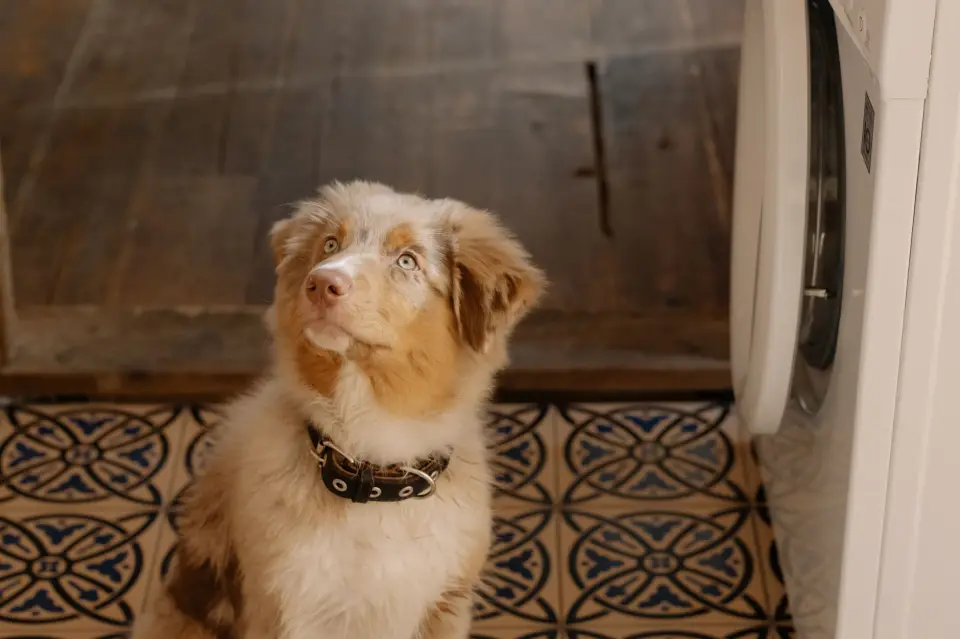
Sharing our lives and our sofa with dogs and cats brings immense happiness, but it also brings undeniable logistical challenges. Animals constantly shed their fur, and those fine hairs have the annoying habit of tightly intertwining with carpet threads, creating a kind of dense felt that is almost impossible to remove with basic methods. In addition to hair, our pets bring in damp dirt from their walks in the park, secrete natural oils through their skin, and occasionally may have small digestive or urinary accidents. All this translates into persistent odors that intensify noticeably on rainy days or in high ambient humidity.
The central problem with using a conventional vacuum cleaner to pick up pet hair is that the odor concentrates inside the appliance. When you turn the machine on the next time, the heat from the motor bakes that biological residue, and the fan distributes a wet dog scent throughout the house, ruining the cleaning effort. By using a water filtration system, this unpleasant inconvenience is eliminated at its root. Animal dander, grease, and hair are instantly submerged in the liquid. The water captures and neutralizes the volatile molecules that cause the bad odor, ensuring that the expelled air smells of pure freshness, something that families with high olfactory sensitivity or frequent guests greatly appreciate.
When we face specific stains, such as dried mud marks, coffee spills, or food residue, patience and the right tool are our best allies. Instead of rubbing aggressively with a damp cloth, which only spreads the stain sideways and damages the fiber structure, the ideal approach is to lightly moisten the affected area with carbonated water or a very mild natural solution. Subsequently, by applying the direct extraction nozzle of the equipment, the moisture is vacuumed up along with the dissolved dirt. This targeted method lifts the stain from the root without soaking the bottom padding of the carpet, thus protecting the delicate wood or parquet floors underneath and preventing moisture warping.
Regular maintenance to prolong the life of your fabrics
The financial investment in good quality home textiles deserves to be protected in the long term. Many people make the mistake of waiting until the carpet looks visibly dirty, stained, or faded to act, but that purely reactive approach drastically shortens the material's lifespan. As mentioned earlier, the microscopic grit we step on daily acts like thousands of tiny sharp knives. Every time we walk across the living room to sit and watch television, that microscopic friction cuts and frays the fibers from the base. When we finally notice that the carpet has lost its shine or looks thin and worn, the physical damage to the fabric is already irreversible, no matter how much money we spend cleaning it afterward.
Establishing a constant, preventive maintenance routine is the key to success for spectacular-looking floors. For high-traffic areas, such as the main hallway, the entryway, or the living room, a superficial pass is recommended at least twice a week. This prevents fresh dirt from having the chance to be trampled and pushed deep into the weave. On the other hand, a deep extraction with the vibrating power nozzle should be scheduled every two to three weeks, depending on whether there are pets, young children, or allergic individuals in the home. This frequency guarantees a biologically safe environment and keeps colors vibrant and the texture soft to the touch for decades.
Constant carpet maintenance also greatly simplifies the overall cleaning of the rest of the house. Since floor textiles act as the largest passive filter in your home, trapping dust from the air by gravity, keeping them sanitized means there will be much less dust floating around and settling on furniture, shelves, picture frames, and electronics. It is an immensely positive domino effect: by caring for the floor with a water purification system, the time spent dusting furniture with a cloth is drastically reduced, and the quality of the air the whole family breathes during hours of sleep and nighttime rest is exponentially improved.
Why you should avoid harsh chemicals on your home's floors
There is a widespread belief, heavily promoted by supermarket commercials, that to achieve real disinfection we need thick foams, pungent-smelling aerosols, and fluorescent-colored detergents. When we apply these commercial products to our carpets, we rarely manage to rinse them out completely, as we cannot put a three-meter rug in the washing machine. What is left behind is a sticky chemical residue that adheres strongly to the fibers. Ironically, this residue acts as a magnet for new dirt, causing the piece to get dirty much faster than before washing. Furthermore, the volatile organic compounds in these cleaners continue to evaporate for weeks, polluting your home's indoor air.
Continuous contact with synthetic detergent residues on home textiles is one of the silent causes of skin irritation and skin allergies in young children and pets.
Direct contact with these chemical residues is a very serious concern for households with young children and pets. Dogs and cats walk on these treated surfaces, lick their paw pads to groom themselves, and sleep with their snouts close to the ground. Babies crawl freely and run their hands over the fabrics before rubbing their eyes or putting their fingers in their mouths. Exposing the most vulnerable members of the family to synthetic compounds, optical brighteners, and artificial fragrances can trigger skin reactions, atopic dermatitis, and chronic respiratory problems. Opting for cleaning methods that use physical principles, such as suction power and water, completely eliminates this unnecessary risk of toxic exposure in your own sanctuary.
True professional-level cleaning is based on mechanical efficiency and common sense, not on chemical aggressiveness. By relying on the unmatched power of the delphin t8 and its ability to simultaneously wash the room's air, we are making a conscious decision for a greener, more sustainable, and healthier home. Tap water, which is easily disposed of down the toilet when the task is finished, takes one hundred percent of the dirt with it without leaving absolutely any artificial trace in the environment. It is the absolute peace of mind knowing that your family can lie down to play a board game or watch a movie directly on the carpet, surrounded by natural freshness and a truly pure environment.
Frequently Asked Questions
How often should I deep clean my carpets if I have pets?
It is recommended to perform a deep extraction with the power nozzle at least every two weeks. If your pets shed a lot of hair or you suffer from dust allergies, doing it weekly will prevent dander buildup and effectively neutralize odors without wearing out the fibers.
Can I use essential oils while cleaning the carpet?
Absolutely. Adding a few drops of pure essential oils (such as eucalyptus, lavender, tea tree, or lemon) to the equipment's water tank will leave a fresh, natural, and therapeutic scent throughout the room while you maintain your floors.
Does the water filtration system leave the carpet damp?
No, dry extraction with the beater accessory does not use water on the fabric. The water is only located in the machine's internal tank to trap the vacuumed dust. Your carpet will be completely dry, fluffy, and ready to walk on instantly.
How does accumulated floor dust affect asthmatic individuals?
Carpets act as natural traps for dust mites, pollen, and mold spores. Every time we step, these microscopic particles are lifted. For an asthmatic, inhaling these allergens can trigger airway inflammation, persistent coughing, and shortness of breath.
Why does my traditional equipment lose power when cleaning thick carpets?
Conventional equipment with bags or HEPA filters suffer from microscopic clogs as they vacuum fine dust. As the filter pores become blocked, the motor cannot move air as effectively, drastically losing the suction power needed to extract deep-seated dirt.