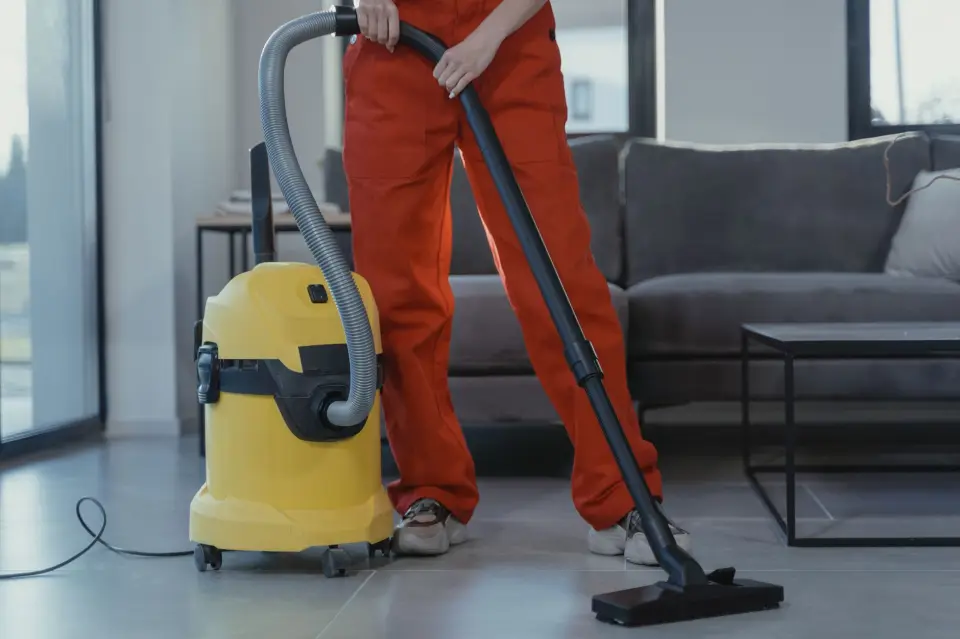
Ultimate Guide: How to Deep Clean and Disinfect Your Mattress
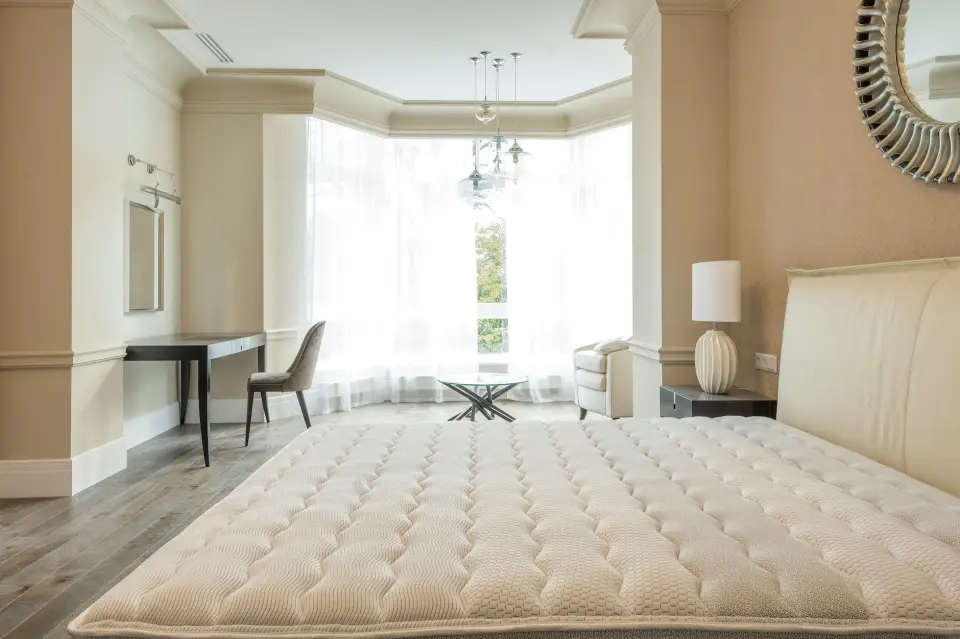
We spend approximately a third of our lives sleeping. Our bed is the refuge where the body repairs itself, the mind rests, and we recover energy to face a new day. However, this sanctuary of rest is often the great forgotten element when we talk about home hygiene. We change the sheets regularly, ventilate the room, and shake the pillows, believing that with this we maintain a healthy environment. The reality hidden beneath the surface of the fabric is very different, especially if people with respiratory sensitivity, small children, or pets live in the house.
For families dealing daily with allergies or asthma, the bedroom can become an invisible minefield. Every night, when we go to bed, we share space with millions of microorganisms that thrive in the warmth and humidity of our bed. Addressing this problem requires going far beyond traditional methods. We need a sanitization strategy that not only removes visible dirt but also eradicates microscopic allergens without returning them to the air we breathe. In this comprehensive guide, we will detail how to transform your bed into a truly pure space using water filtration technology, ensuring peaceful nights and mornings without nasal congestion.
The hidden reality beneath your sheets: Dust mites, allergens, and biological debris
There is a false sense of security when we see freshly washed and stretched sheets. The fabric of our bedding is porous, which means it acts like a strainer. Tiny particles from our own bodies constantly filter through it. Humans shed several grams of dead skin every week, most of it while we sleep due to friction with the sheets. This dead skin is the main food for dust mites, microscopic arachnids that find in mattresses their perfect ecosystem to live and reproduce.
The real problem is not the mites themselves, but their waste. The feces of these microorganisms contain a specific protein that acts as a powerful allergic trigger for humans. When we move during the night, our weight and our tossing act like a bellows, pushing these allergenic particles upward, straight into our airways. For a person with asthma or allergic rhinitis, this translates into nighttime awakenings, dry cough, itchy eyes, and a constant feeling of fatigue at dawn due to not having achieved a restful sleep.
If we add the presence of pets to this scenario, the situation becomes even more complex. Many dogs and cats have the habit of sleeping in bed with their owners. By doing so, they not only contribute their own dander, which is another extremely common allergen, but they also bring with them pollen, mold spores, and street dirt attached to their fur and paws. All this biological material accumulates millimeter by millimeter in the inner layers of the fabric, creating a cocktail that no washing machine can solve, since the problem lies in the core of the mattress itself.
Furthermore, our body perspires. Even on winter nights, we release moisture through sweat and breathing. This moisture penetrates the fibers, creating a warm and dark environment that favors the proliferation of bacteria and, in cases of poor ventilation, mold spores. Understanding this biological reality is the first step to taking control of our bedroom's hygiene and looking for definitive solutions that attack the root of the problem and not just its superficial symptoms.
The problem with conventional methods versus water filtration

When we realize the need to sanitize our resting area, the natural instinct is to resort to the appliances we already have at home. The problem is that traditional cleaning systems, those that use paper or cloth bags, or even plastic tanks with cardboard filters, have a huge structural flaw when it comes to microscopic allergens. These pores, necessary for air to circulate and the motor not to burn out, are large enough to allow fine dust, dust mite feces, and pet dander to escape.
The result of using conventional equipment on a bed is what experts call cross-contamination. By passing the nozzle over the surface, the motor sucks up the allergens, but the force of the air violently expels them through the rear grille, dispersing them throughout the room. For hours, those particles will float in the air of your bedroom, and you will end up breathing them in when you go to sleep. It is a vicious circle where you think you are cleaning, but in reality, you are only relocating the invisible dirt from the bed to the air around you.
This is where the paradigm shift becomes indispensable. Nature has been using the most effective method to purify the environment for millions of years: rain. After a storm, the air smells clean and feels fresh because the water has trapped the suspended dust and pollen. This same physical principle is what we must apply in our home. A system that uses water as the main filter ensures that everything that enters the tank is moistened immediately. As we well know, wet dust cannot fly.
By employing a device based on this natural principle, such as the Delphin Vacuum Cleaner Revolutionizes Cleaning in Homes with Pets">Delphin Vacuum Cleaner: Honest review, price, and if it is really worth it">Delphin Vacuum Cleaner In-Depth: Is This Cleaning System Really Worth It?">delphin t8 vacuum cleaner, the dynamics change completely. The dirt extracted from inside the fabric is submerged in a high-speed water whirlpool. The allergens are trapped in the liquid, and the air that the motor returns to the room comes out washed and purified. In addition, this system has an insurmountable mechanical advantage: since there are no bags that become saturated with dust or filters that clog, the suction power is maintained at one hundred percent from the first to the last minute of work, allowing embedded dirt to be extracted from several centimeters deep.
Step by step to effectively sanitize your resting area

To perform a deep and effective sanitization, preparation is just as important as execution. Choose a clear day, preferably in the morning, so the room has time to ventilate properly. Start by removing all bedding: sheets, duvet covers, blankets, and the mattress protector. Take this opportunity to wash all these textiles at a minimum temperature of 60 degrees Celsius (140 degrees Fahrenheit), since hot water is necessary to neutralize any mites that may be attached to the fabrics. Open the windows wide and let the sunlight flood the room; ultraviolet rays are a natural enemy of these microorganisms.
Once the mattress is completely bare, prepare your water filter cleaning equipment. Fill the tank with clean water and attach the specific upholstery tool. The secret to a successful extraction lies in technique and patience. It is not about making quick passes as if you were sweeping the floor. You must place the nozzle flat on the surface and move it very slowly, tracing imaginary lines from the headboard to the foot of the bed. This slow movement allows the powerful suction to penetrate the fabric layers and extract the debris accumulated inside the fibers.
Pay special attention to critical areas where dirt tends to accumulate with greater density. Seams, side piping, and decorative tufting are the favorite hiding places for dust mites and dust. Press the nozzle slightly into these crevices to ensure the airflow sweeps away any trapped residue. Once you have completed the entire top side, it is essential to ask for help to flip the mattress and repeat exactly the same meticulous process on the bottom side and all four edges.
If during the process you find superficial sweat or liquid stains, you can treat them locally. Avoid soaking the area at all costs, as deep moisture that does not dry quickly can generate mold. Prepare a slightly damp paste with baking soda and a few drops of water, apply it to the stain, rub it gently with a soft-bristled brush, and let it sit for about twenty minutes. After that time, use your water extraction system again to remove the baking soda residue, leaving the area spotless, deodorized, and dry.
Direct benefits for respiratory health and nighttime rest

The impact of sleeping on a truly sanitized surface is noticed from the very first night. For people suffering from rhinitis or asthma, the bedroom is usually the place where symptoms worsen. By drastically eliminating the load of allergens, dust mite feces, and fine dust, the airways are no longer subjected to constant stress during sleeping hours. This translates into waking up without the usual nasal congestion, without chain sneezing, and without the annoying sensation of an itchy throat and eyes.
In homes where pets are part of the family, the benefits are twofold. Many owners resist banning their dogs or cats from the bedroom due to the strong emotional bond they share. Maintaining a strict deep sanitization routine allows for harmonious coexistence without sacrificing the health of the most sensitive human family members. By effectively removing animal dander and organic debris that pets leave behind, a safe environment is created where the love for animals is not at odds with respiratory well-being.
Beyond allergies, the architectural quality of sleep improves across the board. When our body doesn't have to fight environmental irritants, the nervous system relaxes more easily, allowing us to reach deep sleep and REM stages more quickly and sustainably. People who sleep in a pollutant-free environment report tossing and turning less in bed, suffering fewer micro-awakenings due to respiratory discomfort, and getting up with a real feeling of having recharged their energy levels.
In the long term, this preventive practice can help reduce dependence on nighttime antihistamine or bronchodilator medications. Although extreme cleaning never replaces prescribed medical treatment, all specialists agree that environmental control is the fundamental pillar for managing allergic diseases. Turning your bedroom into a safe room free of biological toxins is one of the smartest investments you can make in the preventive health of your entire family.
Preventive maintenance and daily habits for an impeccable bed
Performing a deep sanitization is the most important step, but maintaining those results over time requires adopting a series of simple daily habits. One of the most common mistakes we make is making the bed immediately after getting up. During the night, our body has generated heat and moisture. If we instantly cover the mattress with sheets and duvets, we are sealing that humid microclimate, creating the perfect paradise for the proliferation of bacteria. The ideal is to completely pull the sheets back to the foot of the bed and leave the window open for at least twenty minutes so that the moisture evaporates completely.
As for the frequency of deep sanitization, it will largely depend on the circumstances of each home. For a family without allergy problems or pets, performing this exhaustive process with each change of season (four times a year) may be sufficient. However, if there are asthmatic people, those allergic to dust, or animals sleeping in the bed, experts recommend performing a deep extraction at least once a month. This frequency ensures that the dust mite population remains under control and never reaches critical levels that trigger respiratory crises.
Another vital element in the maintenance strategy is the use of appropriate protectors. Investing in a high-quality cover, which is liquid-proof but breathable, acts as a frontline protective shield. These covers prevent sweat, body oil, and dead cells from directly penetrating the inner fibers of the mattress. They should be washed as often as the sheets, and by doing so, they greatly facilitate the monthly maintenance work, since the physical barrier will have retained most of the biological load.
Finally, we must not forget the quality of the ambient air. The room where we sleep accumulates suspended particles throughout the day. Using your water filtration equipment as an air purifier is a highly recommended practice. Leaving the system running in the room for about fifteen minutes before going to sleep, with the door closed, allows you to wash the bedroom air, trapping floating dust and providing a fresh, clean, and odor-free environment to enjoy an unbeatable rest.
Maximizing the lifespan of your sleep equipment
A good mattress, whether it is high-density memory foam, pocket sprung, or natural latex, represents a considerable financial investment for any family. We expect this item to provide comfort and ergonomic support for at least a decade. However, the accumulation of biological dirt has a devastating effect on internal materials. Sweat contains salts and acids that, over time, dry out and crack the foams, while the massive accumulation of dust and mites mats the fibers of the top padding, making them lose their elasticity and original volume.
There is a phenomenon known in the bedding industry as the heavy mattress syndrome. Various studies have shown that a mattress can significantly increase its original weight after ten years of continuous use without proper maintenance. This extra weight is nothing more than accumulated kilograms of dead skin, dust, dust mite feces, and retained moisture. By performing periodic extractions with a powerful water filtration system, we avoid this massive accumulation, preserving the internal structure of the materials and ensuring that the orthopedic support remains intact for many more years.
In addition, keeping your resting area free of stains and in optimal hygienic conditions is essential for manufacturer warranties. The vast majority of bedding brands include strict clauses in their warranty contracts that void any claim for sagging or factory defects if the product has bodily fluid stains or an obvious state of unhealthiness. Proper maintenance protects your rights as a consumer, ensuring that your investment is covered against any structural failure.
Ultimately, changing our perspective on home cleaning is vital. It is no longer just about making things look clean to the naked eye, but ensuring they are biologically safe. Having a suitable technological ally, like the delphin t8, allows us to raise the hygiene standards of our home to a professional level. By understanding that a conventional vacuum cleaner only removes visible dust, while a system based on the power of water truly purifies, we are making a conscious decision in favor of well-being, preventive health, and the durability of our home.
Frequently Asked Questions
How often should I deep clean my mattress?
If there are people with asthma, severe allergies, or pets sleeping in the bed at home, the ideal is to perform this process once a month. For homes without these sensitivities, deep maintenance every change of season (four times a year) is enough to maintain an optimal level of hygiene.
Can I use baking soda along with the water cleaning system?
Yes, it is an excellent combination. You can sprinkle baking soda on stains or odorous areas, let it sit dry for about 20 minutes, and then use your equipment's upholstery tool to extract both the baking soda and the embedded dirt, leaving the surface deodorized.
Does this method eliminate bad odors embedded in the fabric?
Absolutely. Bad odors in the bed are usually caused by bacteria feeding on sweat and moisture. By extracting these biological residues from the root and trapping them in the water, the source of the bad odor is eliminated. In addition, the air returned by the equipment comes out washed and purified.
Is it safe for memory foam or latex mattresses?
Yes, the dry extraction process is completely safe for any type of material, including memory foam, latex, or pocket springs. Since no water or steam is injected directly into the foams, there is no risk of damaging the cellular structure of the material or generating mold from residual moisture.
What should I do if my pet has a liquid accident on the bed?
Act fast. Remove the sheets to wash them and immediately use the nozzle of your equipment to absorb as much liquid as possible from the mattress before it penetrates the deep layers. Once the moisture is extracted, clean the area superficially with a damp cloth and mild soap, and suction again to dry completely.