Ultimate Maintenance Guide for Your Water Filter Cleaning System
When you live with allergies, asthma, or pets, maintaining an impeccable environment is not a luxury, it is an absolute necessity for your well-being and that of your family. You have taken a giant step by choosing your delphin t8, a purification system based on the power of nature, but for that investment to accompany you for decades performing at one hundred percent, you need to know the secrets of its care. Proper maintenance not only ensures that the air you breathe remains pure, but also prevents unnecessary breakdowns and wear.
Unlike a conventional vacuum cleaner that loses efficiency over the months due to the saturation of its porous filters, your equipment is designed to last a lifetime if you dedicate a few minutes of constant attention to it. A device that uses water as a barrier traps dirt definitively, but requires specific hygiene routines. Let's see step by step how to pamper each component of your machine so that it continues to trap every last particle of fine dust and animal hair.
The heart of the system: how to care for the water tank after each use
The water tank is the main filter and the soul of your system. Every time you clean your home, all the dirt, dust mites, and allergens get trapped in this small indoor ocean. For this very reason, the first non-negotiable habit you must adopt is emptying the dirty water immediately after finishing your cleaning session. Leaving stagnant water with organic matter inside the tank is a direct invitation to the proliferation of bacteria and bad odors, something totally counterproductive in a home with sensitive respiratory tracts.
Once you have emptied the murky contents down the toilet or drain, the next step is to rinse the container with clean tap water. You do not need to use aggressive detergents or abrasive chemicals; a simple manual rinse is usually enough to wash away any soil residues that may have adhered to the walls. If you notice any limescale marks or stubborn dirt on the edges, you can use a soft microfiber cloth or a delicate sponge. The key here is gentleness, as scratching the inside of the tank could make it easier for dirt to become deeply embedded in the future.
Drying is a phase that many people overlook, but it makes an immense difference in the overall hygiene of the device. After washing the container, dry it thoroughly or, better yet, let it air dry in a well-ventilated area. Never store the equipment with a damp tank and the motor block hermetically sealed on top. Residual moisture needs to escape to keep the interior fresh. A very practical trick is to store the device with the head slightly raised, thus allowing continuous air circulation.
Cleaning and inspecting the separator turbine: the secret to continuous power
If water is the natural barrier, the separator turbine is the technological brain that makes the magic possible. This centerpiece, known in your delphin t8 as the L-Lamella, spins at extremely high speed to create an invisible kinetic shield that separates clean air from dirty water, ensuring that only purified air exits to the outside. Keeping this part spotless is vital so that there is no loss of suction power and no unwanted vibrations are generated that strain the motor.
To clean it correctly, you must extract it using the special wrench supplied with your equipment. It is an extremely simple process: carefully loosen the central nut and pull the part upwards. Take it to the sink and wash it under the tap with plenty of warm water. Often, you will notice a thin layer of damp dust accumulating between its narrow slots. Use the small cleaning brush included to go over every gap, making sure there is absolutely no residue left that could unbalance the turbine when spinning at thousands of revolutions per minute.
Meticulous care of the separator turbine is the difference between equipment that lasts a few years and one that accompanies you for a lifetime, offering exactly the same power as the first day.
Before putting the turbine back in place, it is absolutely essential that it is completely dry. If you mount it while damp, the dust from the next cleaning session will instantly stick to it, creating a dense paste that is very difficult to remove. Take your time, leave it on a dry cloth for a few hours and, when you screw it back on, make sure to tighten it well with the wrench, but without forcing the thread. This small ritual is your best life insurance for the motor.
Maintenance of accessories and brushes to trap pet hair
Those who share their lives with dogs or cats know perfectly well that hair is the number one enemy of any cleaning tool. The brushes and accessories of your equipment are designed to pull those stubborn hairs out of carpets and upholstery, but inevitably, some of that fur will get tangled in the motorized rollers and bristles. Ignoring this fact will cause the brushes to gradually lose efficiency and will strain the system as it encounters additional physical resistance.
Checking the electric brush or beater is a task you should incorporate into your monthly routine without excuses. Turn the accessory over and look closely at the central roller. If you see threads, strings, or long hairs wrapped around forming a tight cylinder, do not try to pull them with brute force. Use small scissors to cut along the roller, being extremely careful not to sever the original bristles of the brush itself. Once the tangles are cut, the hairs come out very easily by gently pulling with your fingers.
In addition to the main roller, pay attention to the small directional wheels of the brushes and their movable joints. Sometimes, invisible dirt accumulates on the metal axles, preventing the accessory from gliding smoothly over wooden or ceramic floors. A fine toothpick or tweezers are excellent tools for extracting lint from these hard-to-reach corners. Likewise, periodically wash the bristles of the dusting and upholstery brushes with warm water and a very neutral soap, letting them dry completely before their next use.
Periodic care of the flexible hose and electrical connections
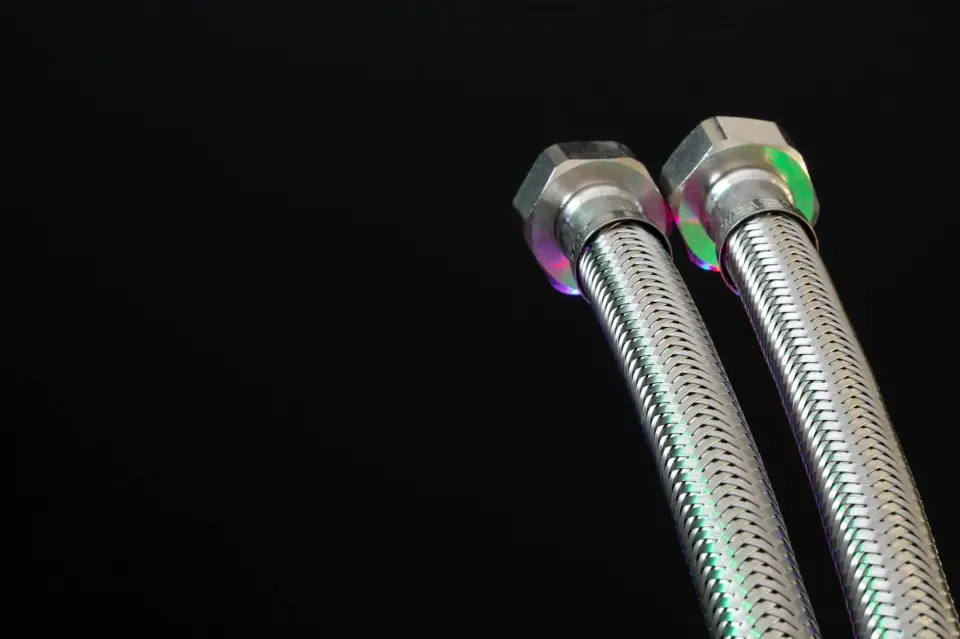
The flexible hose and steel telescopic wands act as the main arteries through which all the dirt from your home travels to the purifying tank. Although they are made of highly resistant plastic materials, they need specific care to avoid silent blockages and keep their flexibility intact over the years. A blocked or damaged hose drastically reduces airflow, resulting in poor cleaning.
One of the most effective and fastest ways to clean the inside of the hose is to take advantage of the equipment's own suction power. Fill a clean bucket with clear water and, with the device turned on at medium speed, vacuum that water directly through the hose. The liquid will travel at high speed inside, washing away any fine dust, microscopic sand, or sticky lint that may have adhered to the corrugated walls. Do this a couple of times and you will notice how the hose instantly recovers its original lightness.
After washing the hose inside, the drying process is fundamental. Hang it in a high place, such as the shower curtain rod or on the clothesline, so that gravity helps drain every last drop of water from its interior. As for daily handling during cleaning, avoid stepping on the hose, pulling it sharply to move the device from one room to another, or leaving it bent at very sharp angles. If your hose has integrated electrical connections, keep the metal pins spotless and dry.
Signs that your equipment needs a professional technical inspection

No matter how meticulous and consistent you are with home maintenance, there comes a time in the lifespan of high-precision machinery when the experienced eye of a qualified technician is required. Your equipment is a direct investment in your respiratory health, and it benefits enormously from a periodic professional tune-up. Knowing how to identify the exact moment to contact the experts will save you future headaches.
Pay attention to the following warning indicators during your cleaning sessions:
- Metallic or high-pitched noises: If the soft, steady hum turns into a screech, it indicates that the internal bearings may need urgent lubrication or replacement.
- Excessive vibrations: These are usually the clearest symptom of a severe imbalance in the turbine or wear on the motor mounts.
- Sudden loss of power: If you have completely ruled out blockages in the hose and cleaned the moving parts, the problem requires an in-depth expert review.
The official technical service not only repairs specific breakdowns, but also performs invaluable preventive maintenance. Specialists meticulously check the wear of power cords, verify the millimeter balancing of moving parts, update internal components if necessary, and perform deep sanitization with specific tools. Going to professionals from time to time is a smart measure that protects your machinery.
Daily habits that prolong the lifespan of your purification system
Beyond monthly deep cleanings and periodic technical inspections, it is the small daily habits that really make the difference in the longevity of your system. Integrating these simple practices into your daily cleaning routine will not take more than a couple of extra minutes, but the enormously positive impact on your machine's performance will be noticed for decades. The first absolute golden habit is to always respect the indicated water level.
Filling the container above the established maximum mark is a frequent mistake that can have serious mechanical consequences. If there is too much water, the violent movement generated by the suction could cause splashes to reach the motor protection filter, introducing moisture where there shouldn't be any. Conversely, if you put in too little water, the dirt will not have enough liquid volume to get trapped, severely decreasing the efficiency of the air purification. Get used to filling the tank with millimeter precision.
Be especially careful with the aromatic products you add to the water. Use solely and exclusively original essences and oils designed specifically for this type of air-washing technology. Common detergents, dishwashing soaps, or unsuitable commercial air fresheners can generate uncontrollable excess foam. This foam acts as a physical bridge, climbing the tank walls and potentially introducing water directly into the motor compartment, ruining your formidable vacuum cleaner irreversibly.
How to purify the air and scent your home safely
Your device transcends the traditional function of removing dirt from the floor; it is a powerful ambient air purifier that can completely transform the stuffy atmosphere of your home. For families struggling with seasonal asthma or living with multiple pets, the autonomous air-washing function is a true invisible lifesaver. However, to get the most out of this therapeutic feature without harming the internal mechanics, you must follow very clear guidelines.
When using the equipment in continuous purifier mode, letting it run statically in the center of a living room or bedroom, make sure to place it on a completely flat and stable surface. Fill the tank with fresh, very cold water. Low-temperature water is exceptionally efficient at trapping microscopic suspended particles and naturally and pleasantly refreshing the environment. Let it work at low speed for half an hour with the windows closed, and you will notice a drastic change in the lightness of the air you breathe.
If you want to add a relaxing or stimulating aromatic touch to the purification, moderation is your best ally. Apply only a few drops of pure balsamic essences approved by the manufacturer. Essential oils like eucalyptus, pine, or lemon are fantastic for clearing congested airways, but they must have the right aqueous density. Avoid any excessively oily or thick substance that may leave sticky residues difficult to clean inside the container, thus guaranteeing unalterable freshness day after day.
Frequently Asked Questions
Exactly how often should I empty and change the water in the tank?
You must empty the dirty water immediately after finishing each cleaning session. Never leave stagnant water inside, as this promotes the appearance of bacteria, mold, and bad odors that would later disperse throughout your home.
Is it safe to wash the inside of the flexible hose with water?
Yes, it is completely safe and highly recommended. You can vacuum clean water from a bucket so that the suction force cleans the internal walls of the hose. Afterward, it is essential to hang the hose vertically so that it dries completely before storing it.
What should I do if I notice the equipment has lost suction power?
First, verify that the water level is correct. Then, check that there are no physical blockages in the hose, wands, or brushes. Finally, make sure the separator turbine is completely clean. If the problem persists, contact the technical service.
Can I use bleach or common detergents to clean the inside of the tank?
It is not recommended. Aggressive chemicals can damage plastic materials in the long term and leave residues that generate harmful foam. A rinse with tap water and a soft microfiber cloth are more than enough to keep it spotless.
Why is it so dangerous for foam to form inside the water tank?
Foam takes up a lot of volume and can rise to reach the motor area. If the foam, which contains water and dirt, manages to breach the protective barriers, it can cause a short circuit or severely damage internal electronic and mechanical components.