Why Deep Spring Cleaning Transforms Your Home and Respiratory Health
Good weather arrives, days get longer, and we throw the windows wide open to let the breeze renew the atmosphere in our rooms. However, this natural gesture brings with it an invisible burden that directly affects our daily well-being. Spring pollen, dust accumulated during the winter months, and the intense shedding of our furry companions combine to create a perfect storm inside our homes. For those living with respiratory sensitivities, this time of year is usually synonymous with constant sneezing, itchy eyes, nasal congestion, and interrupted nights of rest. Facing this challenge requires completely rethinking our way of maintaining domestic hygiene. It is not enough to move dirt from one place to another with a cloth; we need to trap it permanently so it does not return to the air we breathe.
The real spring challenge for families with allergies and pets
When plants and trees bloom, they release millions of microscopic particles that travel with the wind and slip through any available crevice. Once inside the house, this pollen silently settles on furniture, curtains, and, much worse, penetrates the fibers of our sofas and mattresses. For a person with respiratory sensitivity, a home that should be their safe haven quickly becomes a minefield. Traditional cleaning with dry cloths or dusters simply lifts these particles, keeping them suspended in the air for hours before they fall back onto surfaces.
Added to this purely seasonal factor is the constant presence of our dogs and cats. With the change in temperature, pets begin their natural shedding process, releasing huge amounts of hair and dander down every hallway. This animal dander is one of the most common triggers for adverse reactions, and it has the particularity of being so extremely light that it floats easily at the slightest draft. When this organic matter mixes with the dust mites that already inhabit our carpets, the home's allergenic load skyrockets to levels that can seriously compromise the peace of mind and health of the entire family.
The main problem lies in the tools we usually use to combat this invisible invasion. Conventional systems rely on porous bags or paper meshes that, by their very physical nature, need to let air escape through small pores to maintain suction power. In that escape process, the finest and most dangerous particles—precisely those that cause respiratory problems—are expelled back into the environment at high speed. It is a frustrating and exhausting cycle: we dedicate time and physical effort to cleaning, but the air in our home ends up much more polluted than before we started the task.
How air washing transforms your home's environment
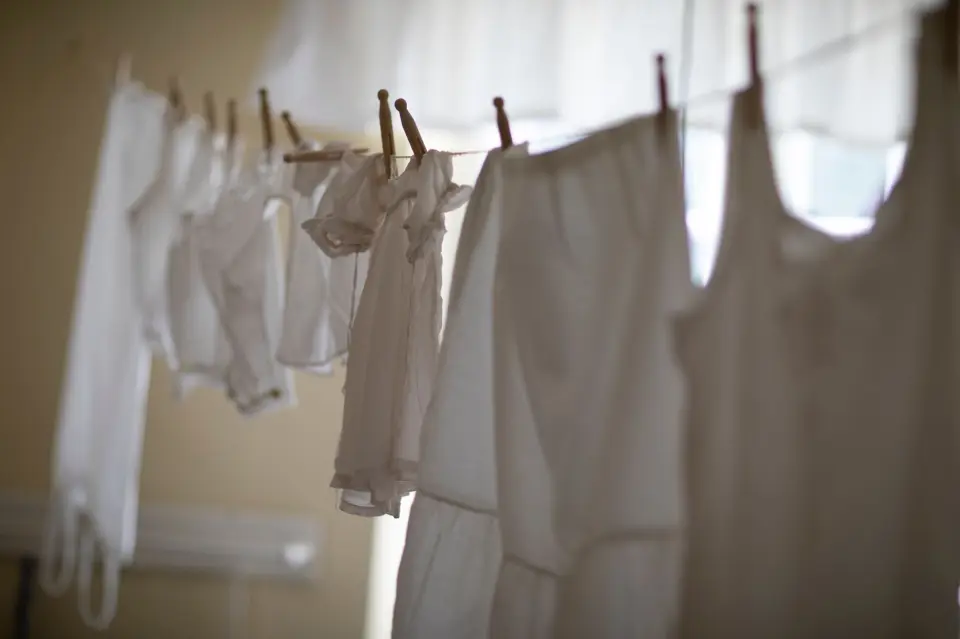
Nature offers us the most effective and oldest answer to purify the environment: rain. After a spring storm, we notice how the air becomes crisp, fresh, and extraordinarily easy to breathe. This happens because water droplets trap pollution, pollen, and suspended dust, carrying them heavily to the ground. Applying this same physical principle inside our home completely changes the rules of the game for home care. By replacing fabric or paper containers with a running water tank, we guarantee that everything that enters the machine never comes out again.
When dirt hits the water at high speed, it is instantly moistened and drastically increases in weight, becoming trapped in the liquid medium. Dust mites, mold spores, and pollen cannot survive or escape this watery trap. This simple yet revolutionary mechanic ensures that the air expelled back into the room is washed and purified completely naturally. It is an immediate relief for the lungs of adults and children alike, especially in homes where asthma conditions day-to-day activities and limits quality of life.
In addition to the obvious benefits for the respiratory tract, this method completely eliminates that characteristic and unpleasant smell of burnt dust left by conventional appliances after a few minutes of use. Because there are no synthetic materials accumulating decaying organic matter for months in a dark closet, we prevent the proliferation of bacteria inside the equipment. Each sanitizing session begins with clean water fresh from the tap and ends by emptying the dirty water directly down the toilet, ensuring absolute hygiene in every corner of the house without storing hazardous waste.
The Delphin Vacuum Revolutionizes Cleaning in Homes with Pets">Delphin Vacuum: Honest review, price and if it is really worth it">Delphin Vacuum: Features of the Ultimate System for Allergy Sufferers">Water Cleaning System Transforms and Purifies the Air in Your Home">L-Lamella technology: The heart of unprecedented domestic hygiene
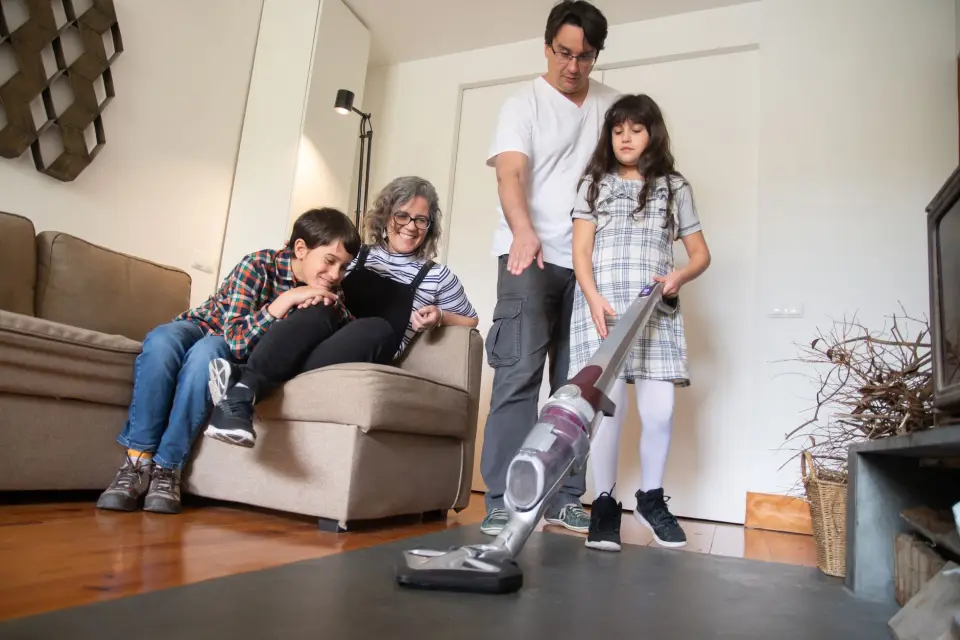
For the water to fulfill its retaining function perfectly, it needs to be accompanied by precise engineering that effectively separates the liquid from the clean air. This is where the advanced design of the separator turbines comes into play. Instead of forcing air through tiny pores that clog after a few minutes of use, a dynamic separator spins at thousands of revolutions per minute. This invisible barrier creates a powerful vortex that relentlessly pushes any wet particle toward the bottom of the tank, allowing only pure, fresh air to flow out into the room.
This total absence of traditional physical barriers means that the suction power remains constant and at the maximum level, from the first minute to the last. It does not matter if you are picking up a large amount of pet hair or tackling the deep cleaning of a very thick carpet; the performance does not drop at all. Having a premium system like the delphin t8 makes a massive difference in the physical effort we must invest. By not losing pulling force due to clogged filters, the passes are much more effective, reducing the time we spend cleaning and drastically increasing the depth of the result.
Another undeniable advantage of dispensing with cardboard or foam filters is the sustained economic savings over the years. Families spend considerable sums annually on spare parts that, ironically, lose their effectiveness almost from the first use. By adopting a technology based on fluid dynamics and tap water, we completely eliminate the perpetual dependence on expensive consumables. It is a much more respectful approach to the family economy and the environment, drastically reducing the generation of non-recyclable plastic and textile waste that ends up in landfills.
Step-by-step routine to disinfect every corner this season

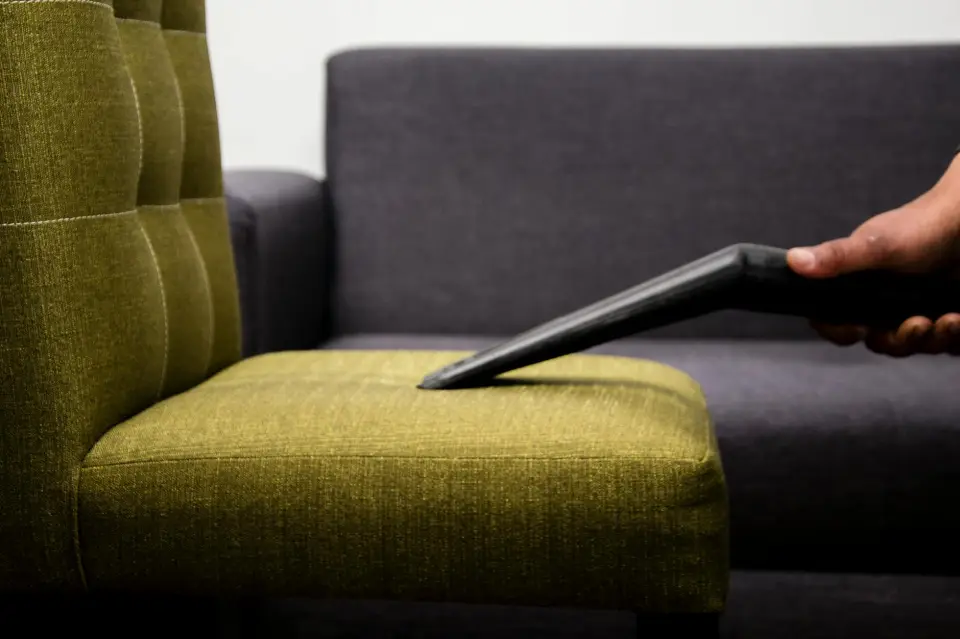
Tackling spring sanitization requires an orderly and intelligent strategy to be truly effective and not work twice as hard. The mandatory starting point is the bedrooms, specifically the mattresses and pillows. We spend a third of our lives in bed, and it is there that dust mites find their ideal ecosystem, feeding on our skin flakes, seeking body heat, and reproducing by the millions. Using a motorized beater on the surface of the mattress manages to extract dirt embedded several centimeters deep. Seeing the darkness of the resulting water after cleaning a mattress that seemed impeccable to the naked eye is usually a revealing experience for any family.
Once the resting area is secured, we must raise our eyes to the high areas and vertical textiles that we often forget. Curtains, blinds, and the tops of wardrobes act as large invisible nets that catch the pollen entering through the windows every morning. Instead of taking down heavy fabrics to put them in the washing machine too frequently, a soft-bristled brush connected to our equipment allows us to remove the entire allergenic load right in place. This step prevents a gust of wind from scattering the concentrated dust back across the room when the window is opened the next day.
Finally, floors and carpets require meticulous attention to complete the process. Hard surfaces like parquet, laminate, or marble benefit greatly from a cleaning that vacuums and washes the air simultaneously, preventing light pet dander from flying away as we approach. For carpets, which act as the largest filter in the house retaining everything that falls, deep extraction restores original colors and lifts matted fibers. Using a good water-based vacuum cleaner ensures that the sand, dirt, and allergens embedded in the base of the carpet disappear permanently, leaving a completely safe environment for babies to crawl and play with total freedom.
Aromatherapy and well-being: Beyond dust removal
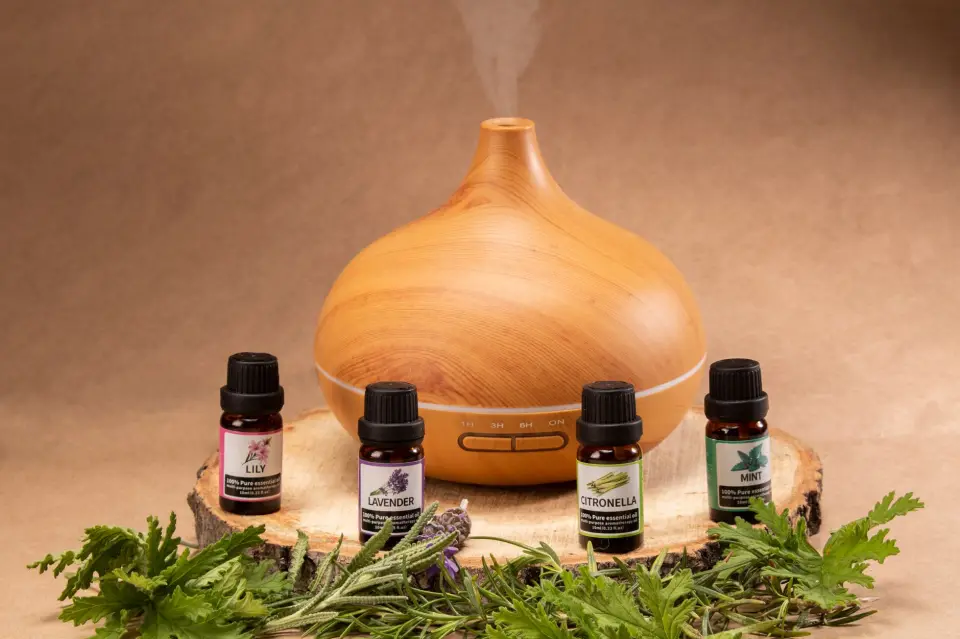
Maintaining an impeccable home has an impact that goes far beyond the simple visual aesthetics of seeing everything tidy; it directly influences our mood and our daily mental health. When we integrate water as a central element of our care routine, we open the door to wonderful additional benefits such as aromatherapy. Adding a few drops of pure essential oils to the water tank transforms a domestic task that is usually monotonous into a highly pleasant sensory experience, scenting the home in a natural, constant, and long-lasting way.
The possibilities for customizing the environment are practically endless and can be adapted to the specific needs of each moment of the day or each family member. For example, a few drops of eucalyptus, tea tree, or peppermint oil are incredibly comforting when someone at home suffers from nasal congestion or severe spring allergies, as they help gently clear the airways. If we seek to create a climate of maximum relaxation before going to sleep, lavender or chamomile gently scattered through the washed air prepare the body for deep and truly restorative rest.
This natural method of aromatization completely replaces chemical spray or plug-in air fresheners, which usually contain volatile organic compounds that irritate mucous membranes and severely worsen asthmatic conditions. By dispersing the scents through the cold evaporation of moving water, we respect the purity of the indoor air. We thus achieve a house that not only looks clean to the naked eye but also smells of authentic natural freshness, conveying an immense sense of peace and harmony to everyone who crosses the threshold after a long day at work.
The fundamental role of balanced humidity in preventing asthma attacks
A frequently ignored factor during spring cleaning routines is the relative humidity level inside the rooms. Air conditioning systems and dry drafts can excessively dry out the domestic environment, which silently irritates the airways and makes fragile mucous membranes much more vulnerable to attacks from external allergens. An overly dry environment encourages fine dust and pet dander to remain suspended in the air for much longer, exponentially increasing the probability of being inhaled by the home's residents with every breath.
By using a system based on continuous washing, we are not only removing physical and palpable dirt, but we are also providing subtle yet vital hydration to the environment. The air that passes through the vigorous whirlpool of the water tank comes out slightly moistened, helping to balance environmental dryness without ever creating condensation or moisture problems on the walls. This balanced indoor microclimate is a comforting balm for dry throats and irritated eyes, providing tangible relief that people with asthma notice from the very first moment they enter the freshly sanitized room.
Maintaining this delicate balance is a task that traditional appliances are completely incapable of managing. Lacking water in their internal operation, they are limited to heating the air through motor friction and expelling it even drier and staler than when it entered. The thermal and environmental difference between both methods is simply abysmal. Transforming the obligation to clean into a golden opportunity to acclimatize and hydrate living spaces demonstrates how technological innovation, when wisely inspired by nature, can solve multiple domestic health problems with a single daily action.
Long-term profitability: Why cheap is expensive in home care
When equipping our home, it is very common and tempting to be seduced by flashy offers and low-cost devices that promise miraculous results on television. However, harsh experience quickly shows that these appliances have an alarmingly short lifespan. Fragile plastics break with minor bumps, motors overheat when agonizingly fighting against clogged filters, and batteries lose their charging capacity in just a couple of years. What initially seemed like an irresistible bargain ends up becoming a recurring and frustrating expense, forcing us to buy new equipment every so often.
Investing in family health and well-being requires a smart long-term perspective. Equipment manufactured with top-quality materials, brushless motors designed not to suffer friction wear, and robust engineering represents a highly intelligent financial decision. When we bet on the engineering excellence of the delphin t8, we are acquiring a tireless companion that will be with us for decades of intensive use. The absolute peace of mind knowing that the tool will always respond with the same brutal effectiveness as the first day more than compensates for the initial investment, revaluing the concept of real durability in the home.
Ultimately, the true value of superior domestic hygiene is measured in our family's daily quality of life. Drastically reducing doctor visits for allergic crises, lowering monthly spending on antihistamine medications, and enjoying nights of uninterrupted sleep are incalculable benefits that are priceless. Choosing the right vacuum cleaner, one that uses nature's purifying power to deeply wash the air, is not just another simple household expense; it is a firm, ethical, and responsible commitment to protecting our loved ones and creating a true health haven in the middle of the challenging spring season.
Frequently Asked Questions
Why do allergies increase indoors during spring?
In spring, when opening windows to ventilate, outdoor pollen enters and mixes with the dust and mites already present in the home. Additionally, pets begin their shedding season, increasing the amount of animal hair and dander. This whole combination creates a very high concentration of allergens in enclosed spaces that irritates the airways.
Is it enough to use traditional HEPA filters to eliminate dust mites and pollen?
Paper or fabric HEPA filters initially retain particles, but with use, they saturate very quickly. This causes the machine to lose suction power and allows microorganisms to accumulate and proliferate in its dark, warm interior, which often generates bad odors and ends up returning microparticles to the environment.
How often should I deep clean the mattresses?
For families with asthmatics or severe allergies, a deep mattress hygiene is recommended at least once a month. Using a motorized beater combined with a water filtration system ensures the real extraction of dead skin flakes and dust mites hiding in the deepest layers of the bed.
Can I use essential oils to scent the air if I have pets at home?
Yes, but you must choose them carefully. Some essential oils can be toxic to dogs and cats if used in high concentrations. It is essential to consult a veterinarian about which essences are safe (like lavender in very low doses) and always use them diluted in the water tank to gently and safely scent the environment.
What maintenance does a cleaning system that uses water instead of bags require?
Maintenance is extremely simple, fast, and hygienic. Just empty the dirty water tank directly down the toilet after each cleaning session, rinse the basin under running tap water, and let it air dry. Since there are no cardboard filters to wash, scrub, or replace, the equipment is always ready to use and free of bacteria.