
Ultimate Guide to Cleaning Your Car Interior Like an Expert

For many, the car has become an extension of their own home. We spend hours behind the wheel commuting to work, taking the kids to school, or enjoying weekend family getaways. However, this small space is often one of the most forgotten when it comes to deep hygiene. Cookie crumbs, our pet's hair, pollen entering through the windows, and sand from our shoes accumulate, creating a perfect ecosystem for dust mites and bacteria.
For people suffering from allergies or respiratory problems, entering a vehicle with a neglected interior can trigger sneezing, itchy eyes, and general discomfort almost immediately. Upholstery and carpets act as large filters that trap all this dirt, releasing it back into the air every time we sit down or turn on the climate control system.
Achieving a specialized car wash finish does not require magic, but rather technique, patience, and the right tools. Throughout this guide, we will explain step by step how to transform your vehicle's cabin, eliminating not only visible dirt but also those microscopic allergens that affect your family's health, achieving a truly pure and renewed environment.
Prior preparation for successful interior detailing
The most common mistake when trying to tidy up the vehicle is turning on the cleaning equipment immediately and starting to run it over the seats without a prior plan. To achieve truly exceptional results, the preparation phase is non-negotiable. The first thing you must do is completely empty the cabin. Remove child seats, empty the glove box, door pockets, and the trunk. You will be surprised by the amount of unnecessary objects, parking tickets, and wrappers hiding under the seats.
Once the space is clear, take out all the floor mats and place them outside. This is the ideal time to grab a trash bag and remove any large debris that could clog the suction ducts later. Move the front seats as far back as possible to expose the tracks and the front area of the carpet, and then do the same forward to clear the rear. This simple action will give you access to areas where an astonishing amount of dust and food scraps accumulate.
Finally, make sure you work in a place with good lighting and ventilation. If you are in a garage, open the doors completely. Natural light will allow you to see suspended dust particles and pet hair embedded in dark fabrics against the light. Having all your accessories organized at hand before starting will save you time and prevent you from constantly interrupting the process.
The secret to dust-free floor mats and carpets

Floor mats are the vehicle's first line of defense against outside dirt. They endure mud, water, sand, and everything we bring stuck to the soles of our shoes. Therefore, they require a shock treatment. While outside the car, the first step is to shake them vigorously or beat them against an exterior wall to release the heaviest sand and surface dust. If you have a dog, you will notice that hairs get intertwined in the fabric fibers in an almost magnetic way.
To break that grip, use a stiff-bristled brush. Brush the surface in a single direction; this will group stubborn hairs together and loosen dried dirt embedded in the fabric's base. Only after this dry brushing should you proceed to suction. Make slow, overlapping passes, pressing slightly to open the carpet fibers and extract dirt from the roots. Patience here makes the difference between a superficial wash and a deep one.
The trick of automotive detailing professionals is to alternate horizontal and vertical passes, creating a grid pattern that ensures no area is left untreated.
The vehicle's floor requires a similar technique. Pay special attention to the driver's pedal area and footrest, as these are the points of greatest friction and mud accumulation. By using a system based on water filtration, you have the peace of mind that all that fine sand and grayish dust you extract from the carpet gets trapped in the liquid, preventing it from coming back out into the cabin and dirtying what you have already cleaned.
How to treat seat upholstery according to its material
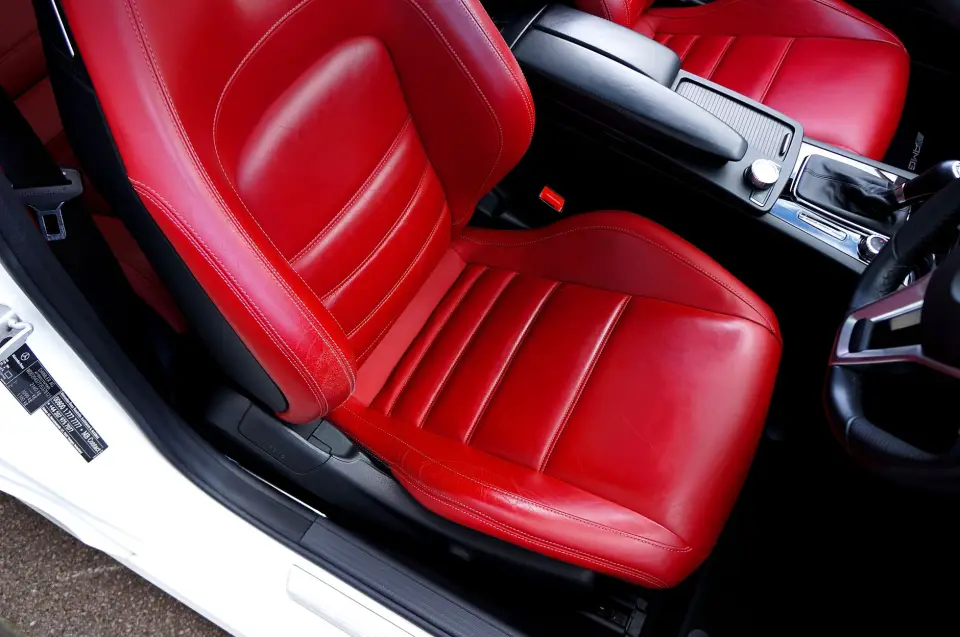
Seats are the centerpiece of comfort on any trip, but they also act as giant sponges. If your car has fabric seats, you should know that they absorb sweat, liquid spills, and environmental dust. To treat them correctly, use a wide nozzle accessory that covers a good surface area but concentrates the extraction power. Run the tool from top to bottom, starting at the headrest, moving down the backrest, and ending at the seat cushion.
Seat seams deserve a special mention. Slightly spread the fabric folds with your fingers while using a narrow crevice tool. It is right in those nooks and crannies where crumbs, dust mites, and dead skin hide. For families with small children, the area where the child seat is anchored is usually an absolute disaster of cookie crumbs and park sand; spend a few extra minutes thoroughly going over that intersection between the backrest and the seat.
If, on the other hand, your vehicle features leather or synthetic leather upholstery, the approach must be much more delicate. Leather does not accumulate dust inside, but it does in the folds and perforations. Use a soft-bristled brush so as not to scratch the material. Gently run the tool over the entire surface to remove surface dust before applying any specific leather moisturizer or conditioner. A previously well-vacuumed seat will prevent you from rubbing dirt into the leather when applying cleaning products.
Corners, crevices, and the dashboard: attention to detail

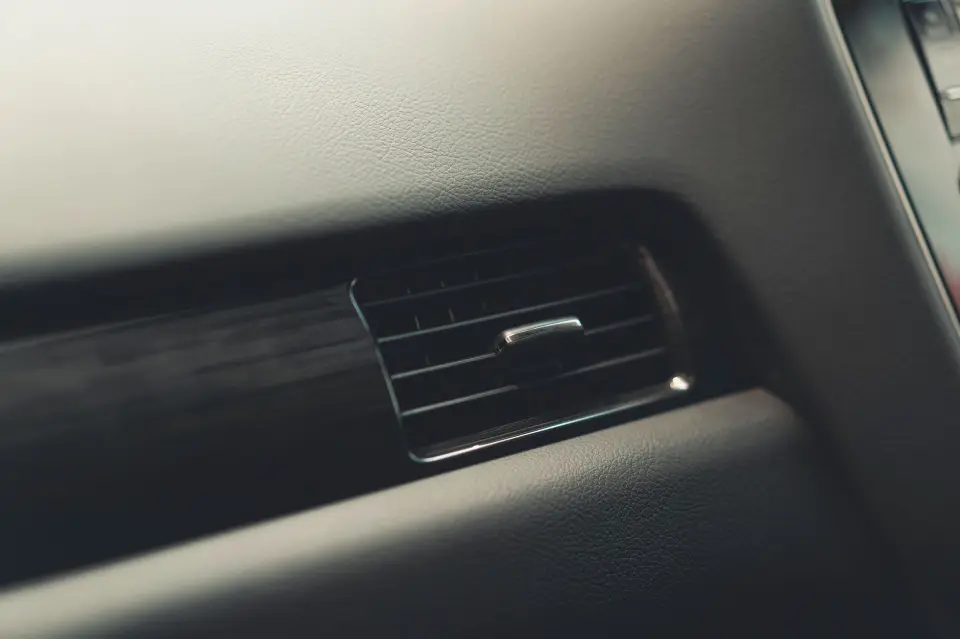
What truly distinguishes a quick wipe-down from a professional job is attention to small details. The dashboard, center console, cup holders, and door panels are full of textures and difficult corners. This is where feather dusters and soft round bristle brushes become essential. Run the brush over the air conditioning vents; if you do not, the next time you turn on the fan, all that dust will shoot straight into your face.
The center console and gear shift area often fill with fine dust that sticks due to static. Use very gentle passes, letting the suction power do the work without pressing on the plastic, to avoid dreaded micro-scratches, especially on the piano black surfaces that are so fashionable in modern vehicles. Door pockets also need to be emptied and thoroughly cleaned, as they often accumulate lint and sand residues.
- Seat tracks: Use the longest and narrowest flat nozzle you have to reach deep into the metal guides.
- Buttons and controls: A long-bristled brush helps dislodge dirt from the edges of window switches and the multimedia system.
- Windshield junction: The narrow space where the dashboard meets the front glass is a magnet for dead insects and dust; go over it carefully.
Purification of the environment inside the cabin
One of the biggest problems with traditional cleaning methods is that, although they remove visible dirt, they stir up the air inside the car, lifting millions of microparticles that remain floating. When closing the doors, that stale air gets trapped. Wet dog, tobacco, or musty smells do not disappear simply by scrubbing the plastics; it is necessary to renew and wash the air that your family breathes during trips.
This is where water filtration technology marks a before and after. By using your delphin t8, you are not using paper or cloth filters that become saturated and return fine dust to the environment. Everything you extract from the upholstery hits a whirlpool of water and gets encapsulated. The air that comes out of the equipment is washed and fresh. This means that while you clean the car, you are also purifying the air inside the garage or the vehicle itself if you have the doors open.
To enhance this freshness effect, many people add a couple of drops of natural essences to the water tank before starting. This way, at the end of the task, the car will not smell of harsh chemicals or typical artificial pine air fresheners, but truly clean. Sensitive individuals, asthmatics, and children will immediately notice that the environment inside the car is much lighter and more pleasant to breathe.
Regular maintenance to prolong the new car feeling
The effort of deep detailing shines much more if accompanied by logical and constant maintenance. You do not need to do this exhaustive process every week. Ideally, perform a deep clean every change of season or every three months, and maintain the vehicle with quick little touch-ups every couple of weeks. If you get into the habit of shaking out the floor mats every time you wash the outside of the car, you will prevent the sand from caking.
Having your equipment ready at home greatly facilitates this maintenance. If you return from a mountain hike or spending the day at the beach with the dogs, dedicate just five minutes to vacuuming the most critical areas before the dirt settles and becomes embedded with daily use. Acting quickly against wet sand or dry mud will save you hours of effort in the future.
Finally, remember to take care of your cleaning accessories. After cleaning the car, thoroughly rinse the brushes and nozzles, empty the dirty water tank down the toilet, and let everything air dry. Equipment in perfect hygienic conditions is always ready to offer maximum performance, ensuring that your vehicle remains a safe, comfortable, and allergen-free space for you and your loved ones on every trip.
Frequently Asked Questions
How often should I deep clean my car interior if I have allergies?
If you suffer from dust mite or pollen allergies, it is recommended to perform a deep clean at least once a month, and quick weekly touch-ups. During spring, increasing the frequency will help keep the cabin free of pollen.
How can I remove embedded dog hair from the trunk carpet?
The most effective method is to first use a stiff-bristled brush to dry rub the carpet and group the hairs. Afterward, use a narrow nozzle with high suction power to extract them from the base of the fabric.
Is it safe to use brushes on leather seats?
Yes, as long as you use soft, natural bristle brushes. Avoid rubbing hard. The goal is to gently dislodge dust from the pores and folds of the leather before applying moisturizing products.
Why does the car smell bad when I turn on the air conditioning?
The bad smell is usually due to the accumulation of dust, moisture, and bacteria in the ventilation ducts and the cabin filter. Regularly vacuuming the vents and purifying the indoor air helps mitigate this problem significantly.
What is the advantage of the water filter when cleaning a space as small as a car?
In confined spaces, traditional systems often kick up fine dust that settles back onto the dashboard. The water filter traps 100% of the suctioned dirt in the liquid, expelling clean air and preventing you from breathing the dust you just cleaned.