Troubleshooting Common Delphin Vacuum Problems: A Quick and Practical Guide

Maintaining a home environment free of dust mites, pet dander, and allergens is an absolute necessity for families living with pets or who have members with respiratory sensitivities. When you invest in advanced purification technology, you expect flawless performance that allows you to breathe truly clean air in every corner of your home. However, as with any high-performance mechanical device, minor setbacks can arise during your daily routine that pause your household chores. We perfectly understand the frustration of preparing the whole house for a deep cleaning session only to find that your equipment is not responding with its usual effectiveness.
Fortunately, the vast majority of these minor obstacles have a very simple fix that you can apply yourself in a matter of minutes, without the need for complex tools or advanced engineering knowledge. In this detailed guide, we will explain step by step how to identify and resolve these common issues, so that your delphin t8 goes back to trapping every last particle of dirt without major complications. We will guide you through the most frequent symptoms, from loss of suction power to strange noises, giving you the peace of mind of knowing exactly what to do in each situation to protect your family's respiratory health.
Loss of suction power: Identifying causes and practical solutions
For those who need to extract every last speck of dust from their carpets, curtains, and mattresses, a decrease in the equipment's pulling capacity is highly noticeable and annoying. If you notice that your system requires more passes than normal to pick up your pet's hair, the first step is not to be alarmed or think of a serious motor failure, but to methodically check the critical points of the ventilation flow. The air needs a completely clear path to be able to transport heavy matter from the floor to the tank.
The heart of this technology dispenses with traditional cloth or paper bags that end up clogging, using instead the natural power of liquid to trap impurities. For this reason, you must always verify the condition and density of the water in the main container. If you have been collecting a lot of dirt or very fine dust, the liquid will become thick and muddy, which puts up enormous resistance to the passage of air. Emptying the bucket, rinsing it quickly, and filling it with fresh water up to the optimal level mark usually restores all its pulling power instantly.
Physical obstructions along the path represent another extremely common cause, especially in homes with long-haired animals. Disconnect the flexible hose and rigid telescopic wands to inspect them separately. A highly effective trick is to drop a small coin through the rigid wand; if the coin does not come out the opposite end, you have located a dirt plug. Use a broom handle very gently to push the clog out, always avoiding the use of sharp objects that could scratch or puncture the internal ducts.
Finally, we cannot overlook the condition of the dynamic separator, that small piece that spins at extremely high revolutions to separate clean air from dirty water. If the slots of this component are covered by a thick layer of dampened dust, the equipment literally cannot breathe. Carefully remove this piece, wash it under the tap by scrubbing with a soft-bristled brush to clear every slit, and reinstall it. This simple routine maintenance gesture ensures that the absorption force remains constant for years.
Abnormal noises and vibrations during cleaning sessions

Stable operation and a constant sound are indicative that the internal mechanics are working in perfect harmony. If you suddenly perceive a loud rattling, a high-pitched whistling, or an abnormal vibration that is transmitted to the grip handle, the appliance is crying out for a visual inspection. Ignoring these auditory signals and forcing the machine can lead to unnecessary wear on moving parts, so stopping the operation and looking for the source of the noise is the smartest preventive measure.
The most frequent cause behind an annoying vibration in the main casing is usually an imbalance in the separator turbine. By spinning at thousands of revolutions per minute, any alteration in its weight, no matter how minimal, generates an eccentricity. This typically happens when a long hair or a tough thread manages to sneak in and becomes tightly tangled on one single side of the piece. Removing the turbine with the factory-supplied wrench, eliminating the foreign body, and reattaching it firmly on its central axis will eliminate the vibration immediately, restoring smoothness to the motor.
On the other hand, if you perceive an excessive gurgling sound, heavy splashing, or notice that the motor sounds more muffled than normal, the problem is almost always the amount of liquid in the tank. A water level that exceeds the maximum recommended mark causes the blades to work submerged, forcing the machinery and generating very noticeable acoustic turbulence. Adjusting the water volume to its exact measure will silence the device and prevent moisture from rising into delicate electronic areas.
If after meticulously checking the turbine and correcting the liquid volume the metallic sound or high-pitched whistle persists, we could be facing natural wear and tear of the motor's internal bearings. In this scenario, the absolute recommendation is not to attempt to disassemble the motor block on your own. Contacting our official technical team will ensure an accurate diagnosis and a safe replacement of the affected parts, keeping the warranty and effectiveness of your environmental purifier intact.
Eliminating unpleasant odors while purifying the environment

One of the great advantages of this system compared to conventional methods is its ability to literally wash the air in the room, returning it fresh, renewed, and free of irritating particles. People with asthma or severe allergies notice this purity instantly. However, if upon turning on the machine you are greeted by a hit of musty odor, wet dog smell, or a stale room scent, the root of the problem almost certainly lies in the post-use emptying routine.
When dust, human skin flakes, and organic remains get trapped in the water container, they form an ideal breeding ground for microorganisms. If by an oversight you forget to empty the bucket after going over the floors and leave it to sit until the next day, bacteria will start breaking down that organic matter quickly. The result of this biological process is the generation of foul-smelling gases that the fan will blow throughout the house as soon as you turn the appliance back on.
The sanitization process of the container itself must be meticulous to eradicate this problem at its root. Dispose of the dirty water down the toilet immediately after finishing your chores. Next, wash the inside of the bucket using warm water and a few drops of neutral soap, scrubbing the walls with a soft sponge to remove any slimy film that may have formed. Rinse thoroughly and, most critically, dry the inside completely with a microfiber cloth before storing the equipment.
To enhance that feeling of freshness and total cleanliness, many households choose to add natural essences to the water before starting. However, you must make sure to use only soluble extracts recommended for this type of technology. Essential oils that are too thick or resinous can stick to the plastic walls and the separator, turning rancid over the weeks and generating strange odors. A couple of drops of high-quality balsamic essences, such as eucalyptus or tea tree, will pleasantly perfume and add antibacterial properties to the environment.
What to do if the machine won't turn on or stops suddenly
Being in the middle of a weekend deep disinfection routine and having the device turn off suddenly generates quite a bit of anxiety, making us think of the worst-case scenario. Before assuming the motor has burned out, you should know that these high-end appliances incorporate advanced thermal safety mechanisms. A sudden blackout in the middle of work is usually, in fact, a self-protection measure of the system itself to prevent irreparable damage.
This safety mechanism is triggered primarily when the ventilation flow is severely compromised, which causes the motor to be unable to cool down and its internal temperature to rise drastically. Check immediately if the nozzle has accidentally sucked up a sock, the hem of a curtain, a large piece of paper, or if the water has become completely saturated with mud. Unplug the cord from the wall, remove the obvious obstacle, and let the unit rest in a cool place for at least thirty to forty minutes so the internal thermostat can reset automatically.
In the event that the equipment simply does not react when trying to turn it on before starting work, the initial diagnosis should focus on the power supply. Verify that the power cord does not have cuts, extreme bends, or pinches caused by doors. Ensure that the plug is firmly inserted into the wall outlet and check that there is power supply in that area of the house by connecting another device. Sometimes, the problem is as simple as a faulty wall outlet not supplying power to the vacuum.
If your model features a remote control integrated into the ergonomic handle, the lack of response could be due to a communication failure. Check the condition of the remote's batteries and replace them if they have been installed for a long time. Additionally, wipe the metal contacts connecting the hose to the main chassis with a dry cloth, as a thin layer of dust or grease can interrupt the electronic signal telling the motor to start.
Resolving issues with the motorized upholstery brush
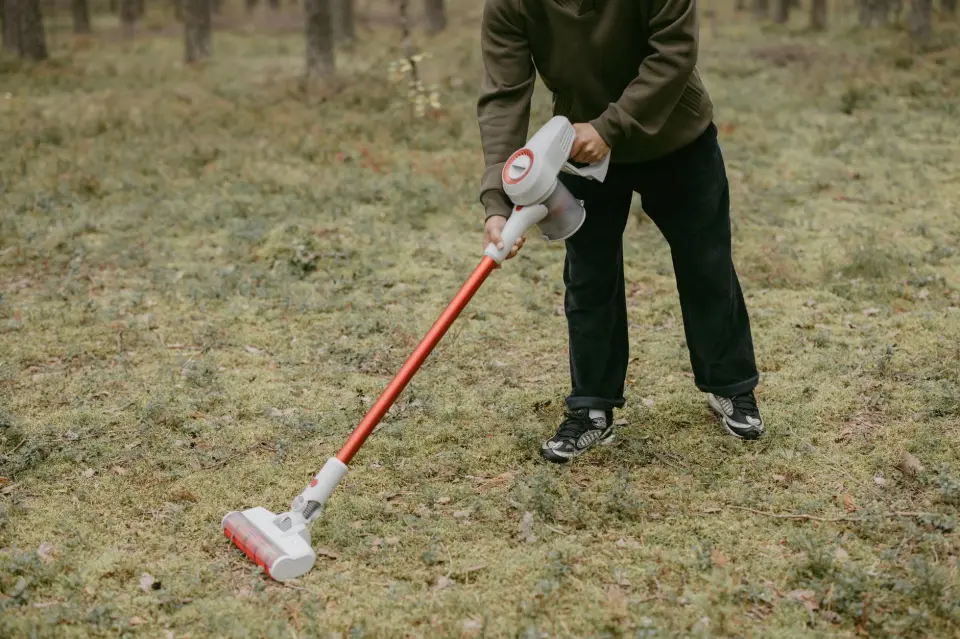
The electric or power brush is the ultimate tool for homes with dogs or cats, as its mechanical action rips out the most embedded dander and hairs from textile fibers. If when passing this attachment over your favorite carpet you notice the inner roller has stopped spinning, the collection efficiency will drop drastically. This component suffers great daily wear and tear by being in direct contact with the most problematic surfaces, so it requires periodic monitoring to perform at one hundred percent.
The most recurring obstacle this accessory faces is the extreme accumulation of threads, strings, and long hairs around the side bearings or the bristle cylinder itself. This tangle generates so much mechanical friction that the small independent motor of the brush stops for safety so as not to burn out. With the machine completely turned off and unplugged, use small fine-tipped scissors to cut lengthwise all those tangled hairs, pulling them gently to free the cylinder so it can rotate again without resistance.
Power transmission to this independent attachment is done through small metal contacts located at the joints of the telescopic wands and the electrified hose. If these tiny pins are dirty, rusted by moisture, or simply don't fit together with a firm click, the roller won't receive the necessary current to move. Clean these connections with a cotton swab slightly dampened with isopropyl alcohol, let them dry, and make sure to assemble each section firmly.
Inside the structure of the brush itself, there is a small drive belt, similar to a vehicle's but on a smaller scale, which connects the internal motor with the spinning roller. Over the years and with intensive use, this rubber belt can yield, loosen, or even break completely. If you hear the attachment's motor running perfectly but the roller does not move despite being clear of hairs, it is highly likely you need to contact our technical service to request a replacement for this drive belt.
Preventive care habits to maximize durability
Adopting a constant care routine will always be the smartest and most economical strategy in the long run. Preventing breakdowns ensures that your delphin t8 is always in perfect condition to fight environmental allergens when you need it most. It is not about investing hours in complex maintenance, but about internalizing small daily habits that protect the appliance's mechanical health and, by extension, the respiratory health of all family members.
The post-use drying process is, in all likelihood, the most determining factor for the appliance's health. After emptying and rinsing the bucket, never make the mistake of storing the motor block resting directly on it if there is still moisture inside. Leave the container upside down on an absorbent cloth on the counter and place the main chassis in a ventilated area. Keeping the inside of the machine completely dry when not in use is the only way to prevent the proliferation of destructive mold and mildew.
Proper storage also plays a fundamental role in preserving the external components. Store the flexible hose loosely coiled, without forcing sharp bends that could fracture the internal wiring over time. Place the equipment in a closet protected from direct sunlight and intense heat sources, as sudden temperature changes can crystallize and make the high-strength plastics that make up the outer structure brittle.
Finally, backing your domestic routine with the support of our Delphin Vacuum Revolutions Cleaning in Homes with Pets">System of Water Filter Cleaning">official technical service in Spain completes the circle of perfect maintenance. Even if your system works wonderfully and the air in your home feels pure, subjecting the machine to a professional check-up every so often allows experts to lubricate hidden bearings, check the integrity of internal wiring, and replace small worn rubber gaskets before they cause a loss of performance. Relying exclusively on original spare parts is the best investment to enjoy a truly healthy environment for decades.
Frequently Asked Questions
Why has my equipment suddenly lost suction power?
The loss of power is generally due to a physical obstruction in the hose or wands, an overly thick water level in the tank due to excess dirt, or dust accumulation in the slots of the particle separator. Check and clean these three points to fix it.
Can I leave dirty water in the tank to continue cleaning the next day?
Under no circumstances is this recommended. The water retains organic matter, hair, and dust mites that begin to decompose within a few hours. This generates bacterial proliferation and bad odors that the equipment will expel into the environment the next time you turn it on.
What should I do if the carpet brush roller stops spinning?
First, disconnect the equipment from the power supply. Check the bottom of the brush and cut with scissors any tangle of hair or threads blocking the roller. If it is clean, verify that the metal contacts between the wands and the hose are properly connected and free of dust.
Is it normal for the machine to get too hot and turn off by itself?
The sudden shutdown is a safety measure of the internal thermostat to protect the motor. It occurs when the airflow is blocked (due to a severe clog or very dirty water) and the equipment cannot cool down. Unplug it, remove the clog, and let it cool for 30 to 40 minutes.
How often is it advisable to take my system in for an official check-up?
To guarantee optimal performance and total air purification, we recommend performing preventive maintenance at our official technical service in Spain every two to three years. This allows for checking bearings, internal connections, and ensuring the device's maximum durability.